
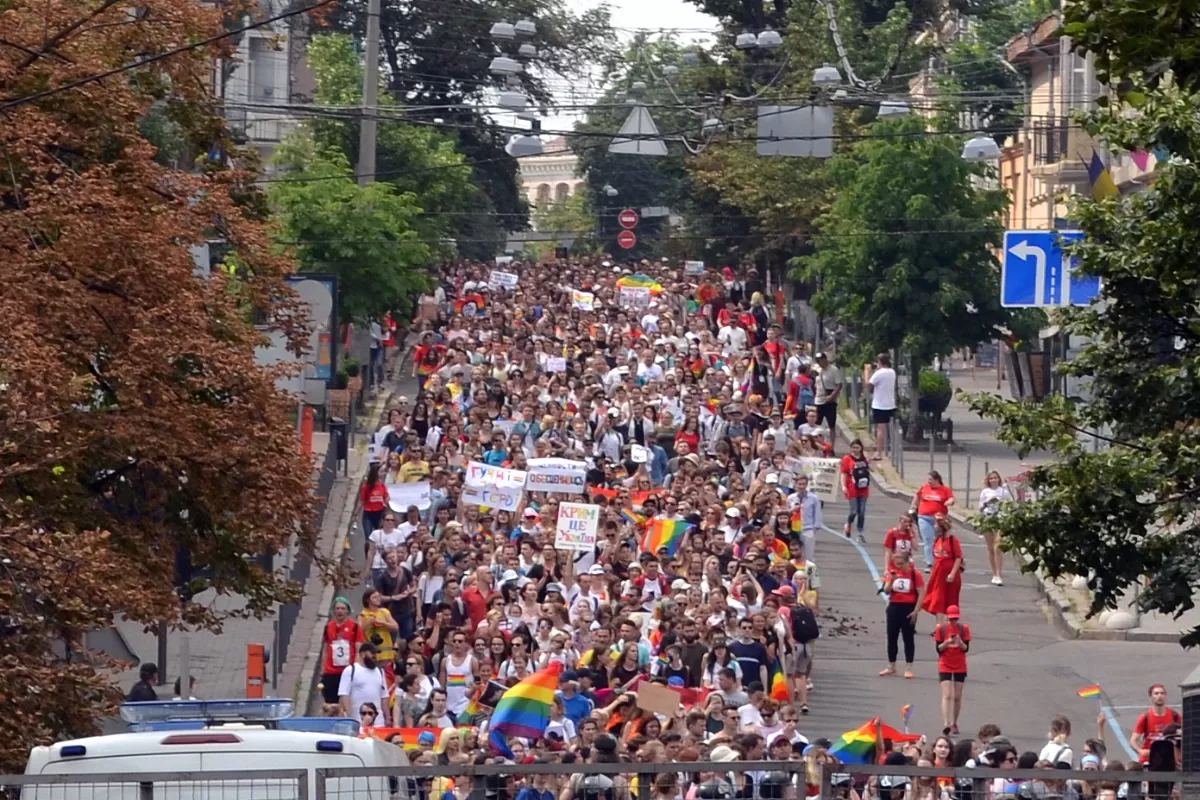
Ukraine is the target of an LGBT propaganda campaign, designed to undermine the moral fiber of the population, strengthen the influence of external forces in this country and subvert the army. Promoted by a pro-Russian politician, the narrative picks up on anti-LGBT rhetoric embedded in Russia’s anti-EU campaign.


President Volodymyr Zelensky is selling his country to American multinational corporations, Ukraine is being turned into a colony of the West, and Russia will be wrongfully driven out of its traditional sphere of historic influence. The Russian media has been promoting these narratives, starting from an interview Yulia Svyrydenko, the Deputy Head of the Ukrainian President’s Office, gave to the “Atlantic Council”. Her statements are taken out of context.

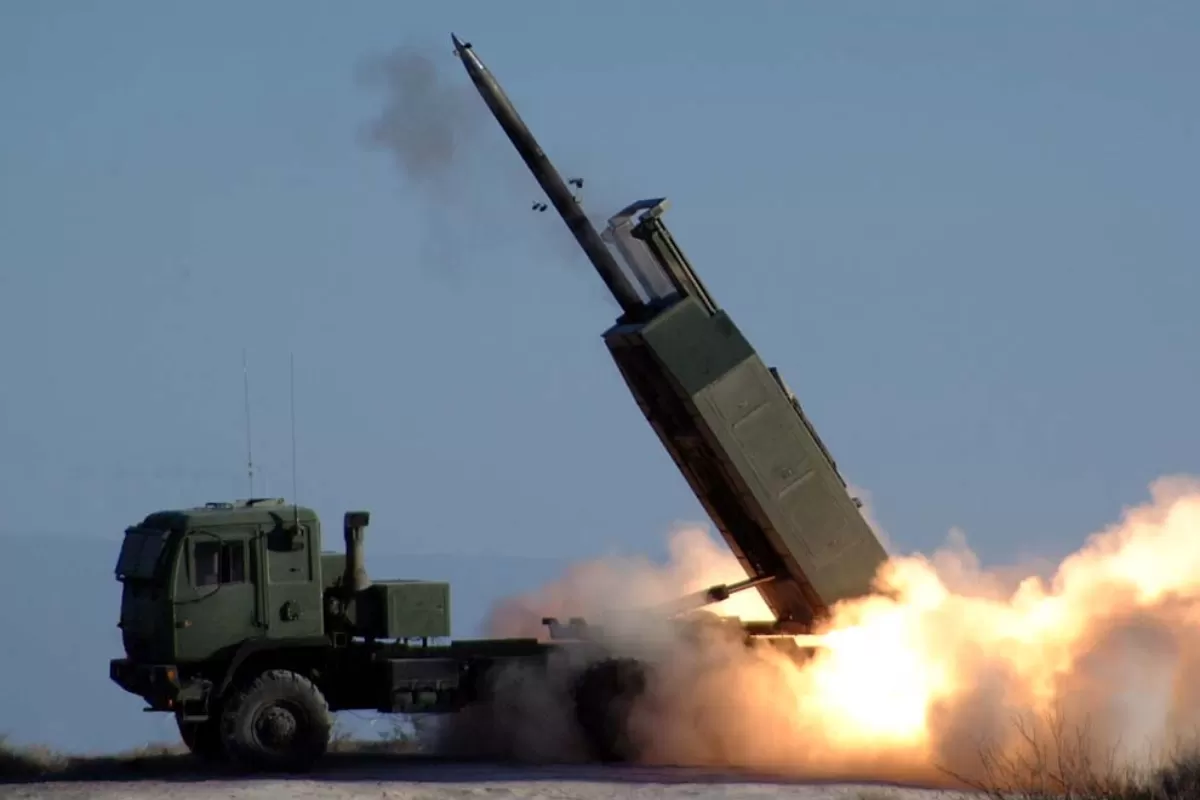
Romania purchasing High Mobility Artillery Rocket Systems (HIMARS) is presented by the Kremlin’s channel Sputnik as a move by means of which the US is trying to bring into the region equipment that will be used in a future attack on Russia.
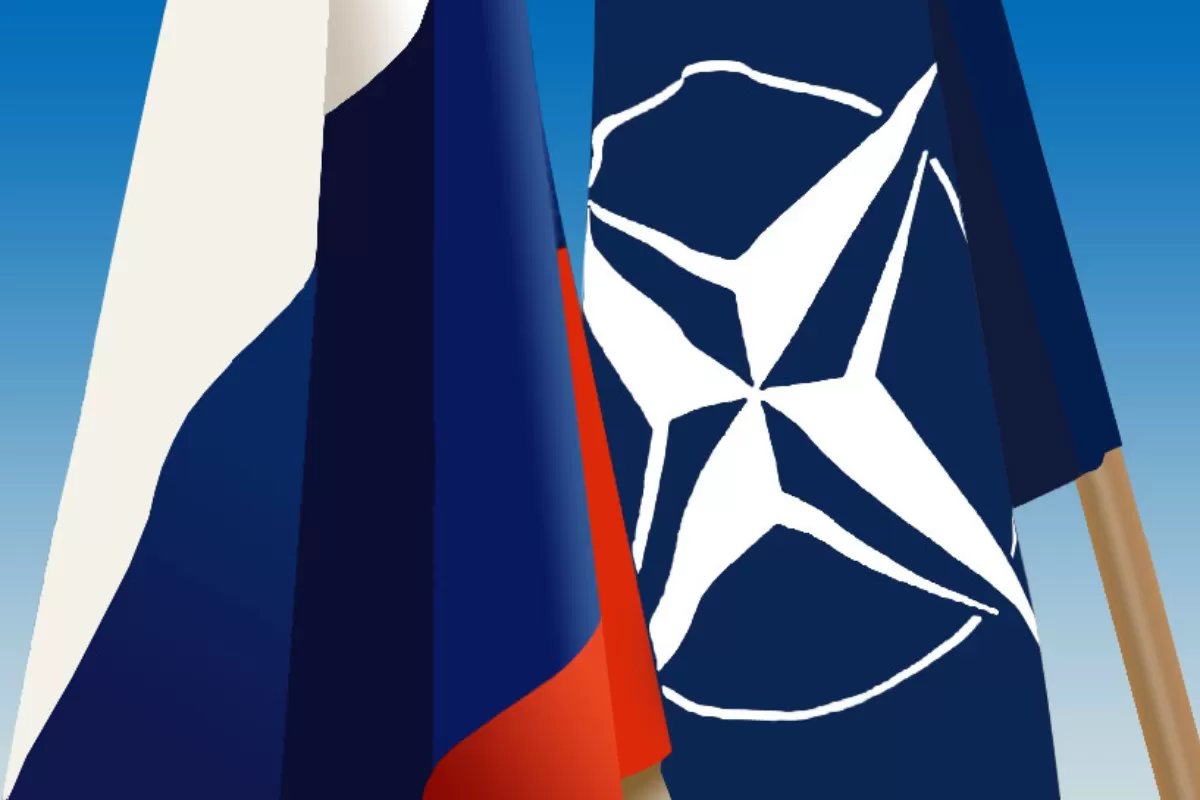
The North-Atlantic Treaty Alliance needs “the Russian threat” to keep going, as this is its only reason of existence. This fake narrative has been promoted by Sputnik, Russia’s public mouthpiece, quoting the statements of a Russian senator.

The press affiliated with the Socialists in Chisinau resumes narratives regarding an alleged plan by means of which civil society – shown in a bad light – would seek to seize power in the Republic of Moldova.

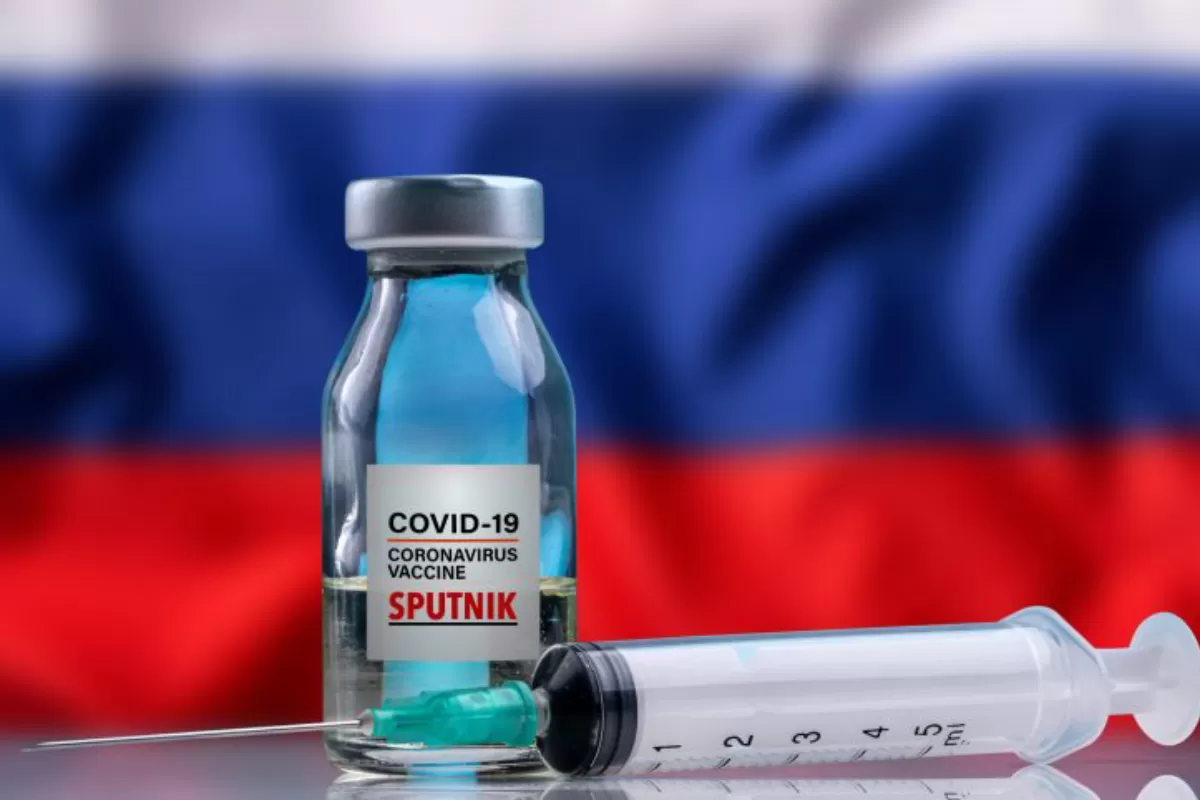
Chisinau authorities put citizens’ lives at risk by refusing the Russian vaccine Sputnik V, writes kp.md, adding that the decision was in fact a geopolitical one and was made out of hostility towards Russia. In this way, the citizens of the Republic of Moldova would be engaged, against their will, in a new Cold War with Russia.
Timișoara’s mayor, Dominic Fritz, is working for German intelligence, according to a so-called investigation distributed by Sputnik. The story bears all the hallmarks of fake news promoting the Russian narrative (which is similar to that of the Romanian national Communism) of the West as a hostile force.
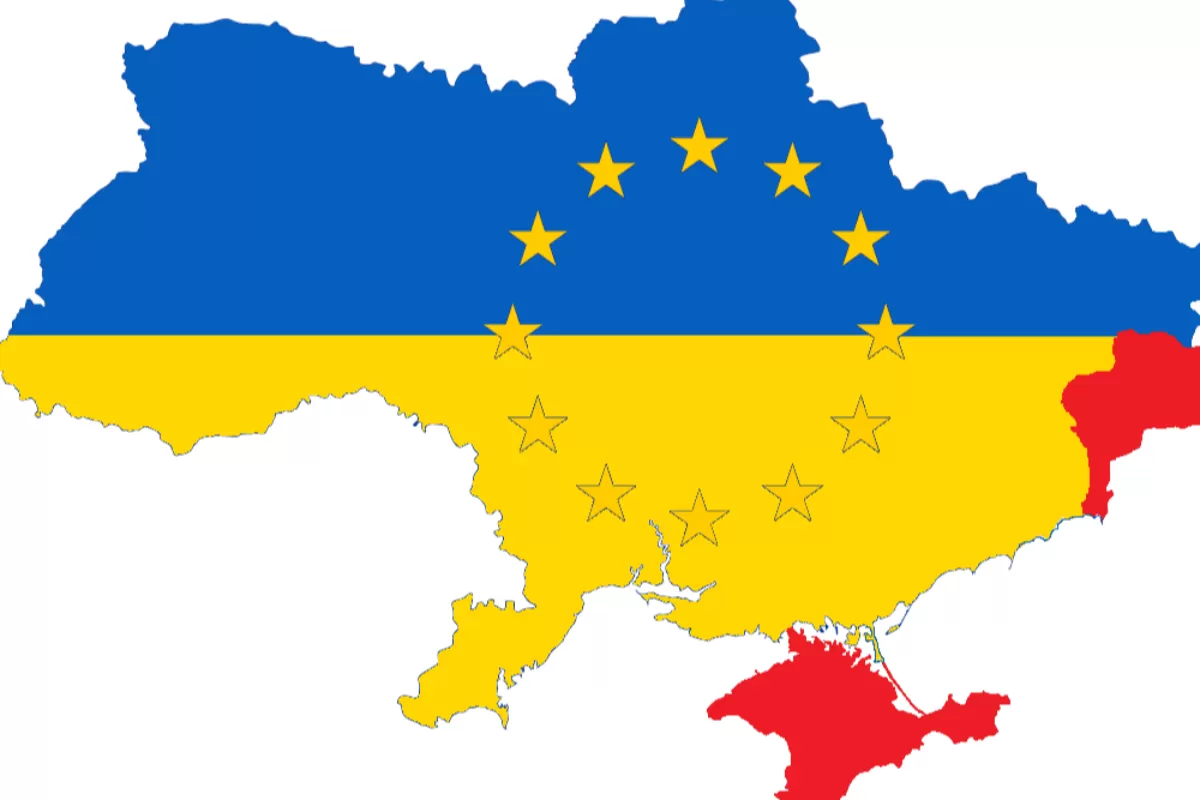
EU countries are tolerating the oppression of Russian-speaking communities because they want to erase the memory of the Soviet victory against the Nazi, the Russian media writes, quoting a former deputy of the Verkhovna Rada, a member of the Party of Regions led by fugitive Ukrainian ex-president Viktor Yanukovych. The narrative is part of a wider effort to depict Russia’s acts of aggression in the region in recent years as a fight against Fascism.

The Russian Foreign Ministry has criticised statements made by the head of the EU Delegation to Chișinău on political negotiations and the inefficiency of some institutions. It is not for the first time that Moscow, which openly backed Igor Dodon in the 2020 election race, accuses the West for allegedly meddling in the internal affairs of the Republic of Moldova.

Sputnik writes that the United States would validate the idea that Transylvania doesn’t belong to Romania, because the embassy didn’t delete a certain commentary posted by a Romanian on Facebook. In fact, Sputnik is trying to link the status of Crimea, occupied and annexed by Russia, to that of Transylvania.
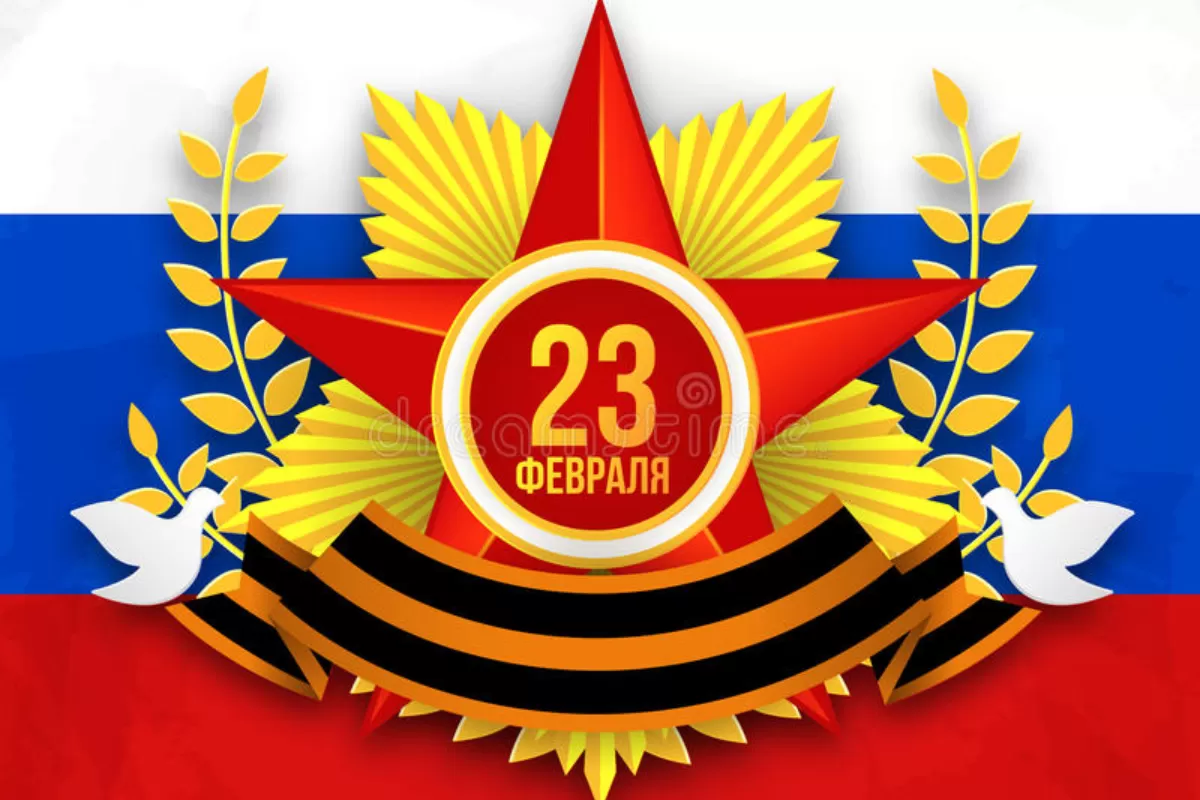
30 years since the collapse of the Soviet empire and the declaration of the Republic of Moldova’s independence, many Moldovan citizens still keep celebrating the Soviet Army Day on February 23. The narrative, just like “May 9 – Victory Day” recalls the USSR’s glory of yore in order to keep Moldova anchored into the Soviet past. In reality, the Soviet Army’s attitude was that of an occupation, repressive regime.

As a Dutch Court is handling the case of the civilian airline passenger Boeing MH17, which was shot down over Ukraine in 2014, the narratives concerning the incident are resurfacing. This time it is claimed that the aircraft was mistaken for the Russian President’s plane. The Russian media is also highlighting a turn of events that may be soon witnessed as the reports filed by a Russian company were admitted.

The Republic of Moldova would suffer in the event of a war between NATO / the United States and Russia or China, and the North Atlantic Alliance would not protect it. It's fake news promoted by Sputnik, quoting Konstantin Sivkov, a corresponding member of the Russian Academy of Missile and Artillery Sciences. The Russian portal resumes older narratives, meant to undermine the trust of the NATO member and partner countries in this organization.

The EU and Ukraine reconfirmed their readiness to continue cooperation under the Association Agreement, which was an opportunity for a new disinformation campaign launched by the Russian press against Ukraine and the EU. "A catastrophe that’s been lasting for five years now, in every sphere of life", "a wrong foreign policy choice made by Ukraine" – are some of the reactions in the Russian press. Elements of typical narratives are present, such as: "fake state", "coup d'etat", "Russophobia", "poverty", etc.
The aging population is the target of a far-reaching extermination effort by cutting it off from the rest of the population, exposing it to the risk of COVID infection and injecting it with “killer vaccines”. Published in Romania, this fake news is a carry-over of older narratives, including some disseminated in Russia and China, and builds on a more recent conspiracy theory: the Great Reset.

The media in the Republic of Moldova and Russia have published an apocalyptic economic growth forecast made public by Mariana Durleșteanu, a former economy Minister nominated for the office of Prime Minister by the Party of Socialists in the Republic of Moldova (PSRM). Durleșteanu presents no data to support her claims, which have been disputed so far by economic analysts and the estimates of both the Government and international organizations.

A number of PSRM-affiliated publications have written that Spain wants to leave the European Union. This reinforces the metanarrative on the imminent collapse of the EU, designed to distort European realities and fuel distrust in the community bloc and its institutions.
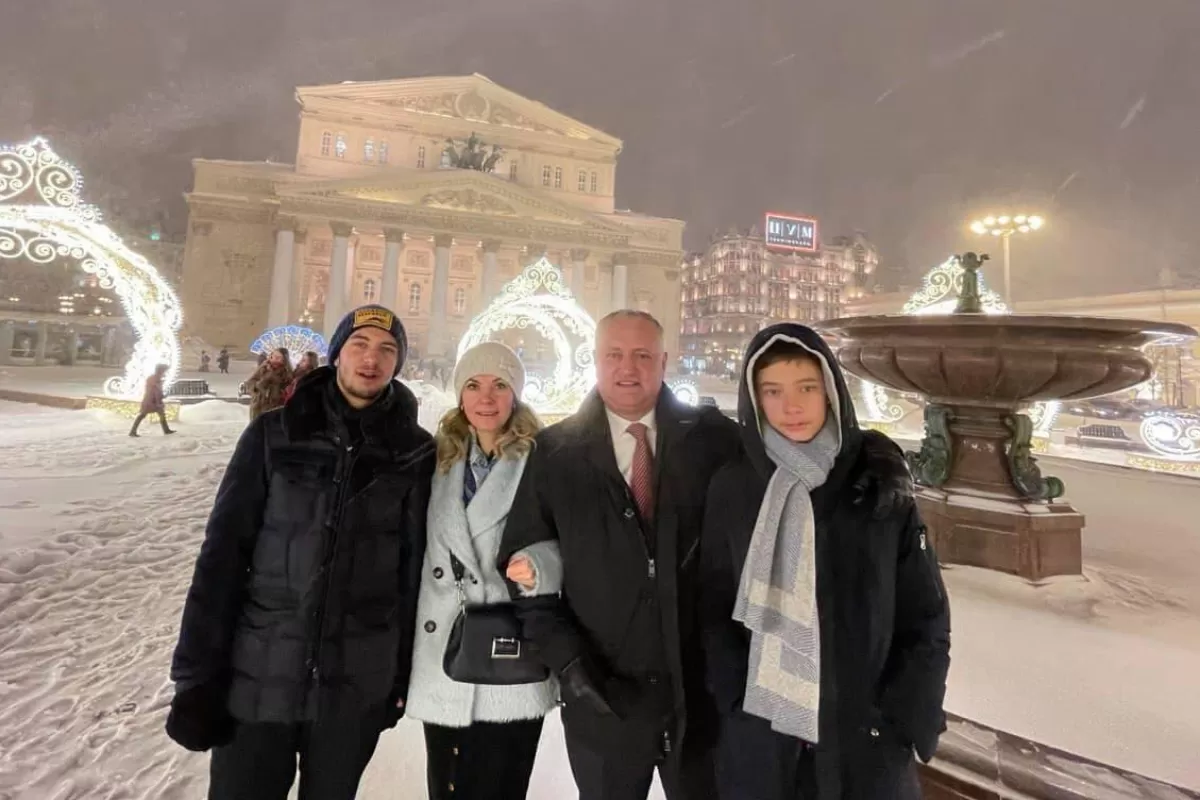
Moldovan citizens require a special invitation or a recommendation from the Embassy in order to enter the Russian Federation, former president Igor Dodon has been quoted as saying by a number of publications. This false narrative is meant to justify the fact that the Russian Embassy in Chișinău has booked Dodon a seat on the flight to Moscow.

Sergei Lavrov claims that European and American sanctions had no ground or effect, and the deterioration of the Brussels-Moscow relations occurred as a result of the EU's direct support for the coup in Ukraine. In fact, Ukraine, the EU and the US have criticized Russia for its proven support for the Donbass mercenaries and denounced the illegal, internationally unrecognized and unprecedented in post-War Europe annexation of Crimea.

American tanks couldn’t invade Russia and would be facing the same difficulties German armored divisions did during the Second World War. This fake news underscores narratives about the attack plans of NATO and the USA, while also referring to metanarratives linked to the Second World War.
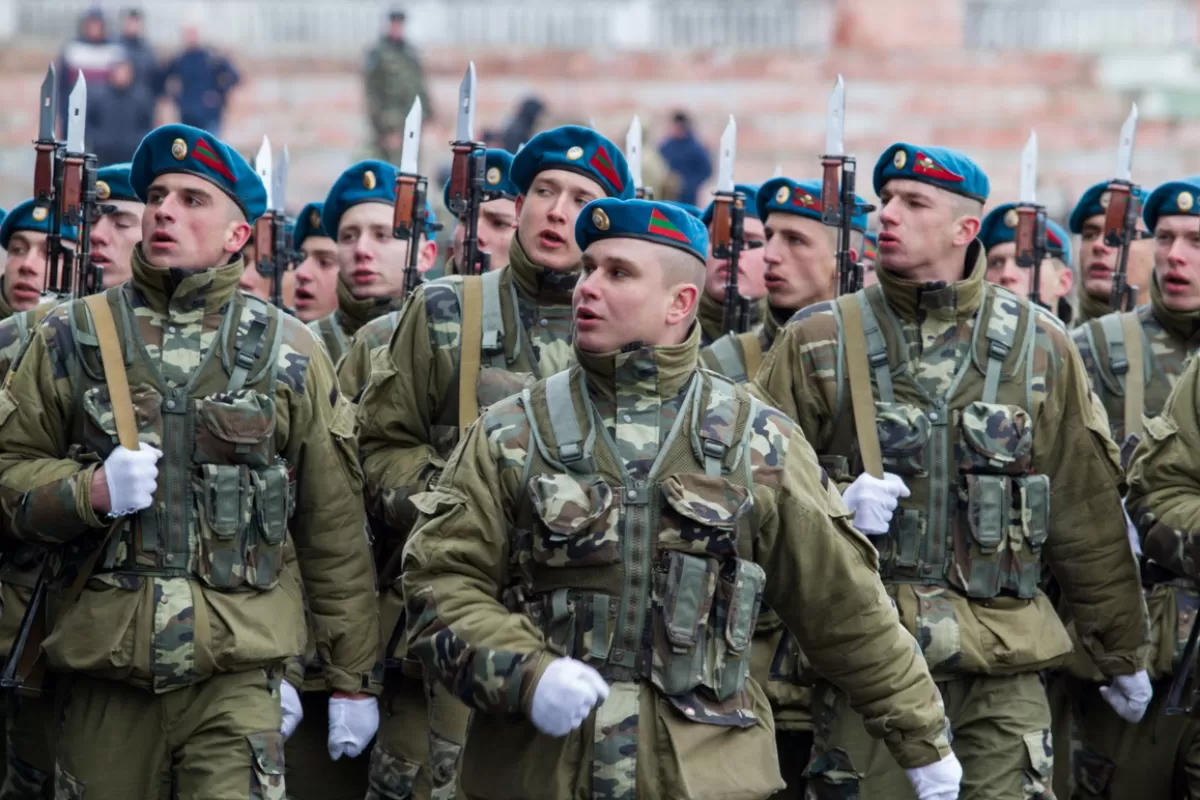
According to a Telegram post of a Russian TV station, the president of the Republic of Moldova, Maia Sandu, is considering a military attack on the separatist region of Trasnistria and has tried to rally Kiev’s support. The story has prompted a true media frenzy in Chișinău and Moscow, having been redistributed by a large number of media outlets. Chișinău authorities have dismissed this scenario, which they say carries little weight.

Pro-Kremlin messengers - media, influencers, etc. - try to promote the idea that the demonstrations that took place after Navalny's arrest and the revelations about Putin's palace were the result of manipulations from the outside.
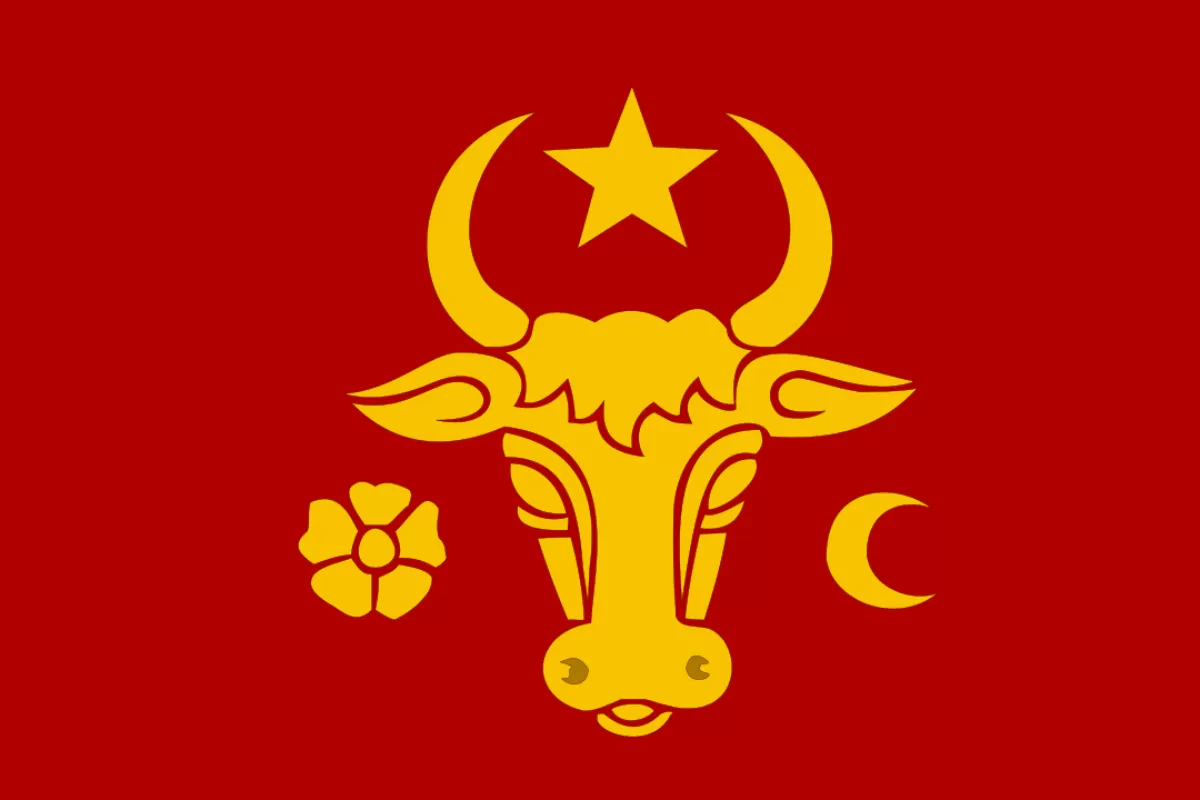
The initiative to establish the Moldovan Statehood Day dates back to 2017, when Igor Dodon was President of the Republic of Moldova, and derives from the Moldovan-statist ideology, according to which there is a Moldovan people different from the Romanian one and also that the Republic of Moldova is the successor of Stephen the Great’s Moldavia.
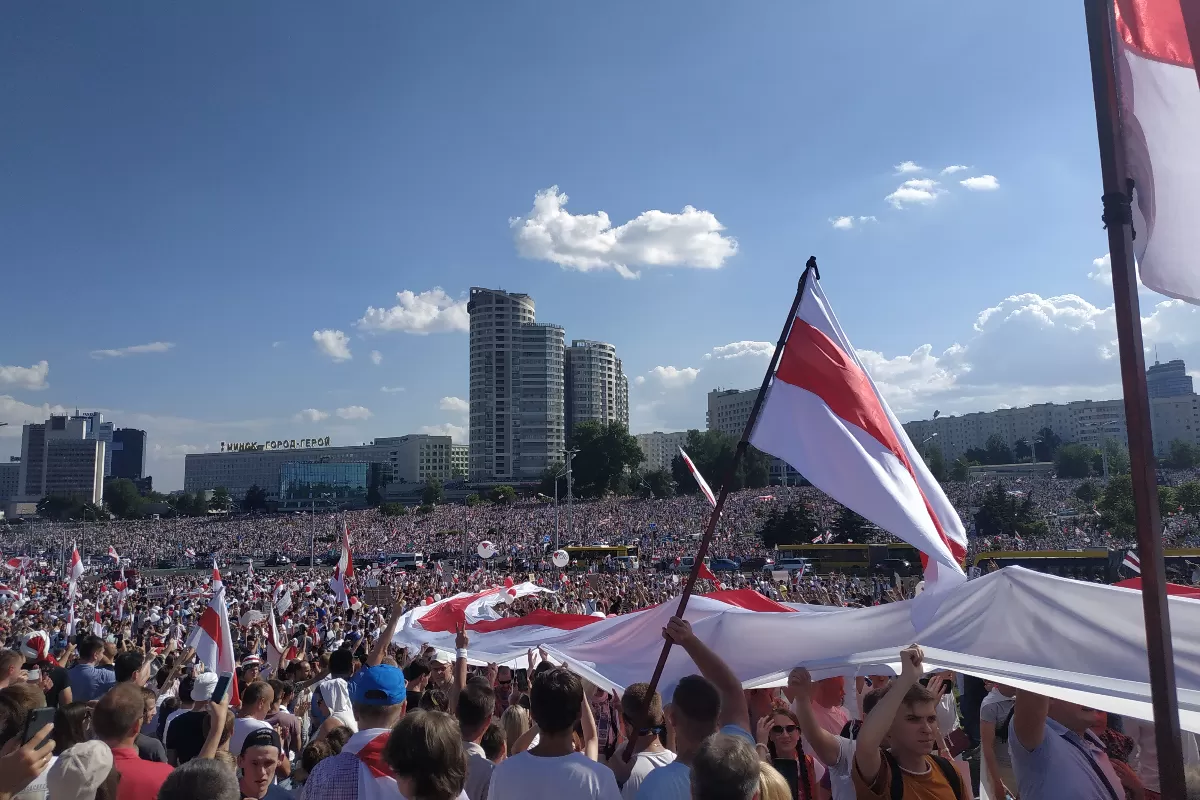
The pro-democratic movement in Belarus is actually a tool the West is using to undermine the country’s independence. The method had already proved efficient when Western powers took over the Baltic States. These ideas are promoted by a pro-Russian politician in Belarus and are meant to reinforce narratives about pro-democratic and pro-Western forces in Belarus, which Moscow has been spreading for years.

Conservative circles in the United States are writing that the new Democratic President of the United States, Joe Biden, has allegedly signed an executive order that will promote homosexuality as a central element of US foreign policy and, moreover, "blacklists" will be drawn up of world religious leaders who oppose the LGBT phenomenon. It would also target American ultra-conservative organizations that have links with Romania.
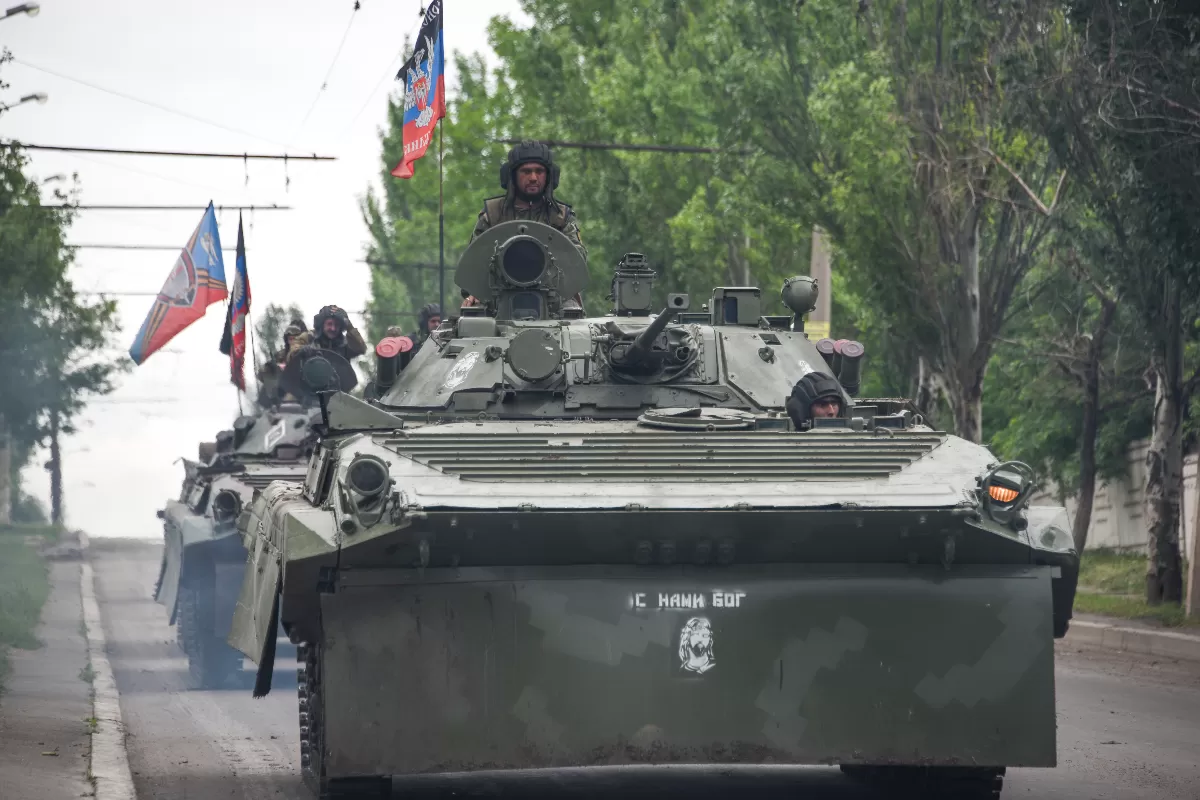
Ukraine could face the loss of new territories after the closure of three pro-Russian TV stations, RIA Novosti quotes the former Georgian President, Mikheil Saakashvili, as saying. The news is fake: Saakashvili never referred to the loss of territories, but merely said Russia could use the ban on the TV stations as a pretext for new acts of aggression.

Bucharest District 1 Mayor, Clotilde Armand, has allegedly cut the funding of four of the most important hospitals in Bucharest, all located in District 1. This is a false narrative, promoted on a number of media channels and endorsed by politicians of the largest opposition party, PSD.

The former president of the Republic of Moldova, Igor Dodon, considers that he lost the presidential elections last autumn also due to Facebook, which allegedly deleted the likes he received and blocked the accounts of his party members. Ironically, the allegations were made in a video streamed on Facebook. Dodon thus joined a wave of attacks against these networks, launched in several countries, from Russia and EU member states to the United States.
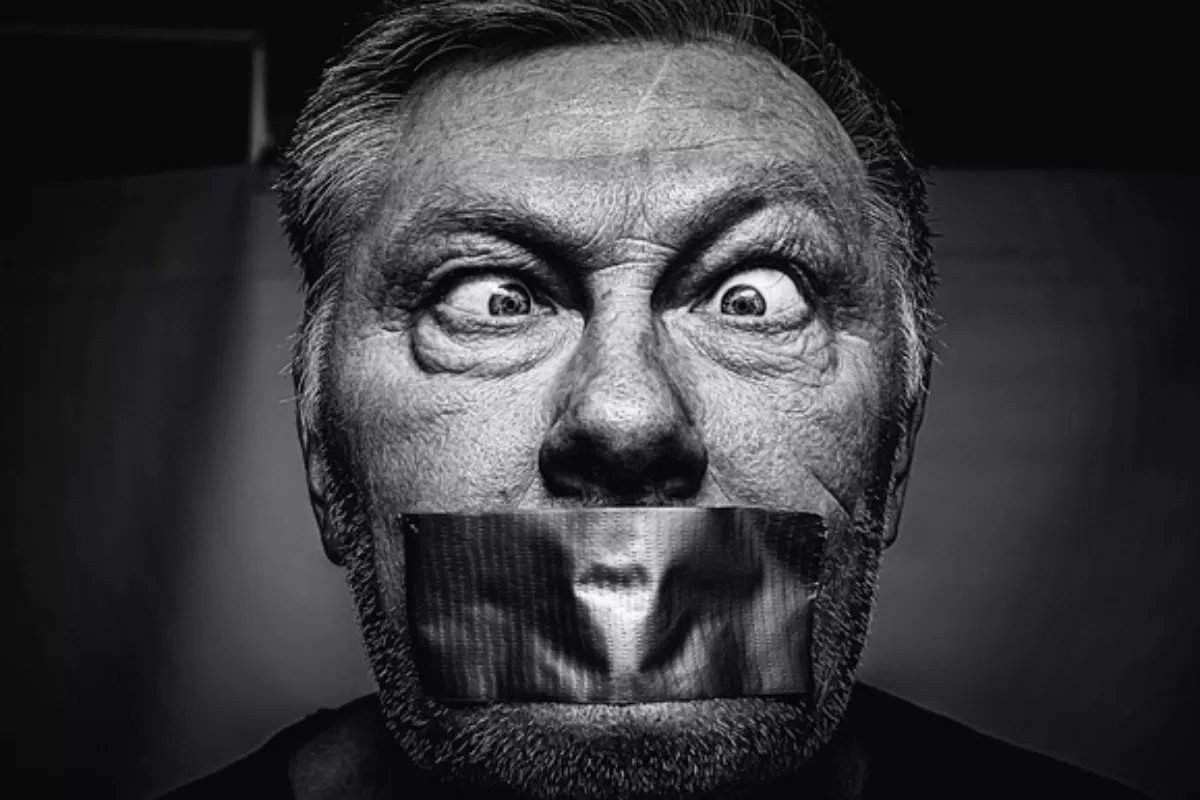
The President of the Republic of Moldova, Maia Sandu, only mimics her attachement to democratic and European values and if she could, she would establish an authoritarian regime in which freedom of expression would be limited. This fake narrative, originating from the Socialist circles, was also used during the elections campaign.

Authorities in Kiev have banned an edition of Mikhail Bulgakov’s “The Master and Margarita”, but online media in Russia treated the information as a total ban on this literary work.
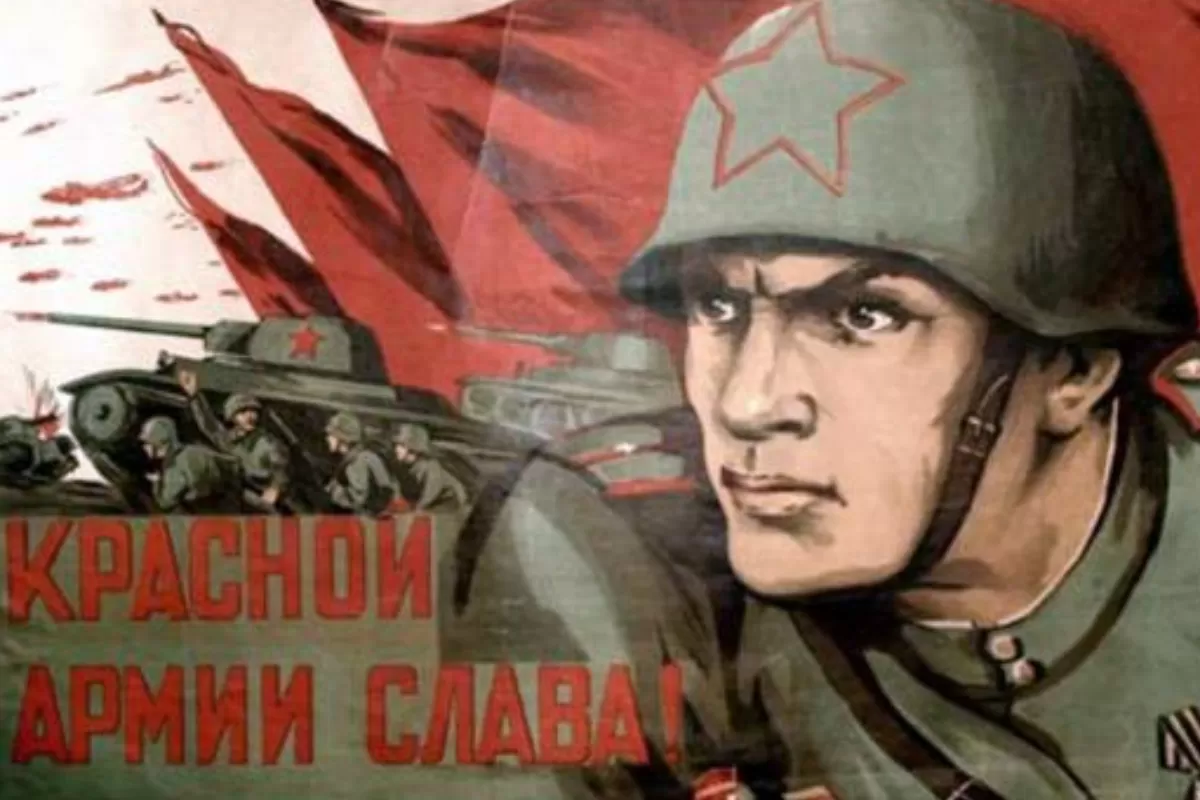
The renaming of the Tolbuhin park in Bucharest is used as a pretext for reinterpreting history

Ukraine punishes the Crimean people for choosing to join Russia, blocking the North Crimean Canal. Kiev says that the existing water resources in Crimea are sufficient for the needs of the population, and the purpose of the North Crimean Canal, is to carry water to industrial facilities.


