
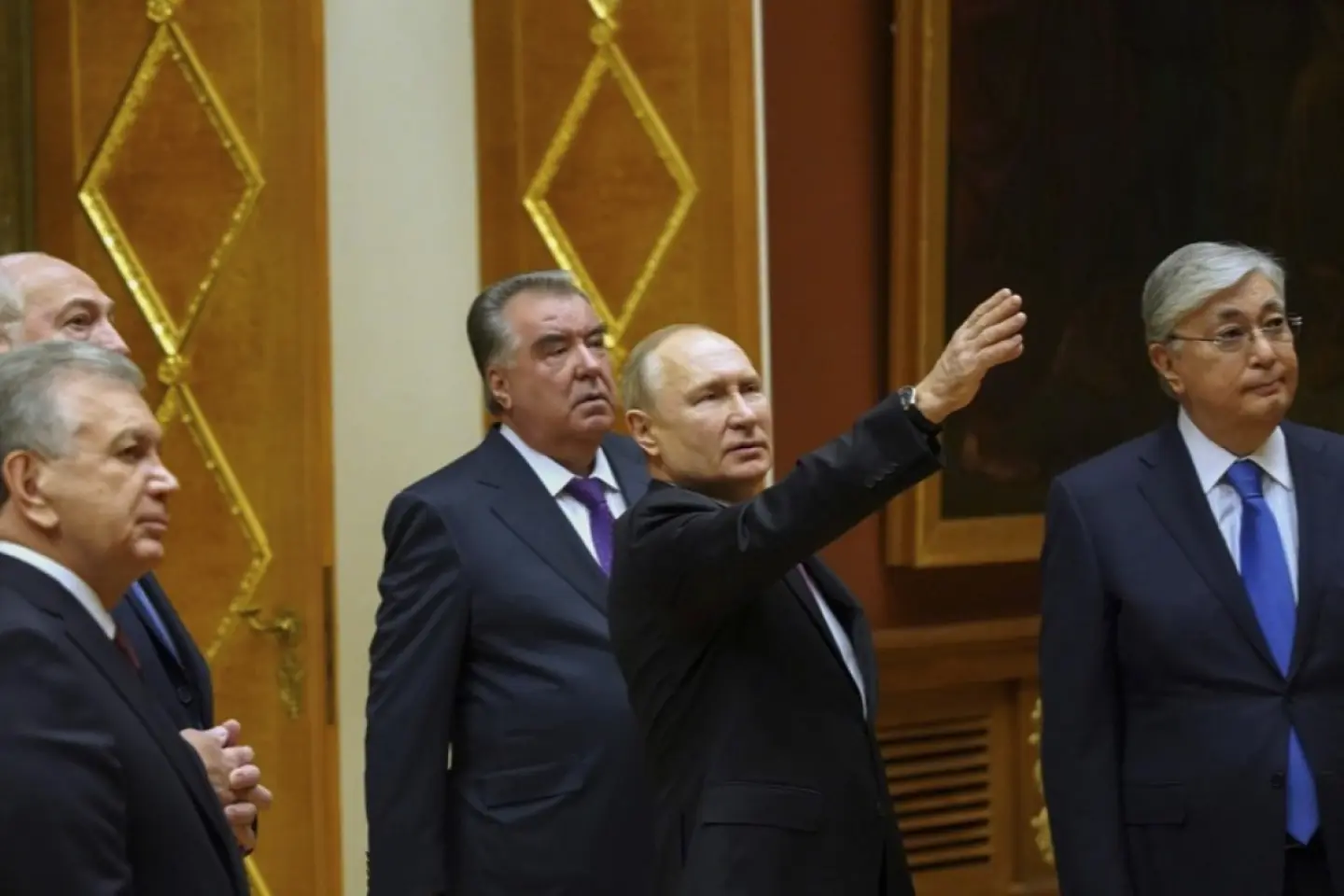
As the war in Ukraine drags on, its economic fallout is being felt by Russia’s Central Asian allies. Forced to find alternative markets for their goods and labor force exports, these allies are discovering that Russia is losing its leverage, and they are becoming increasingly vocal.

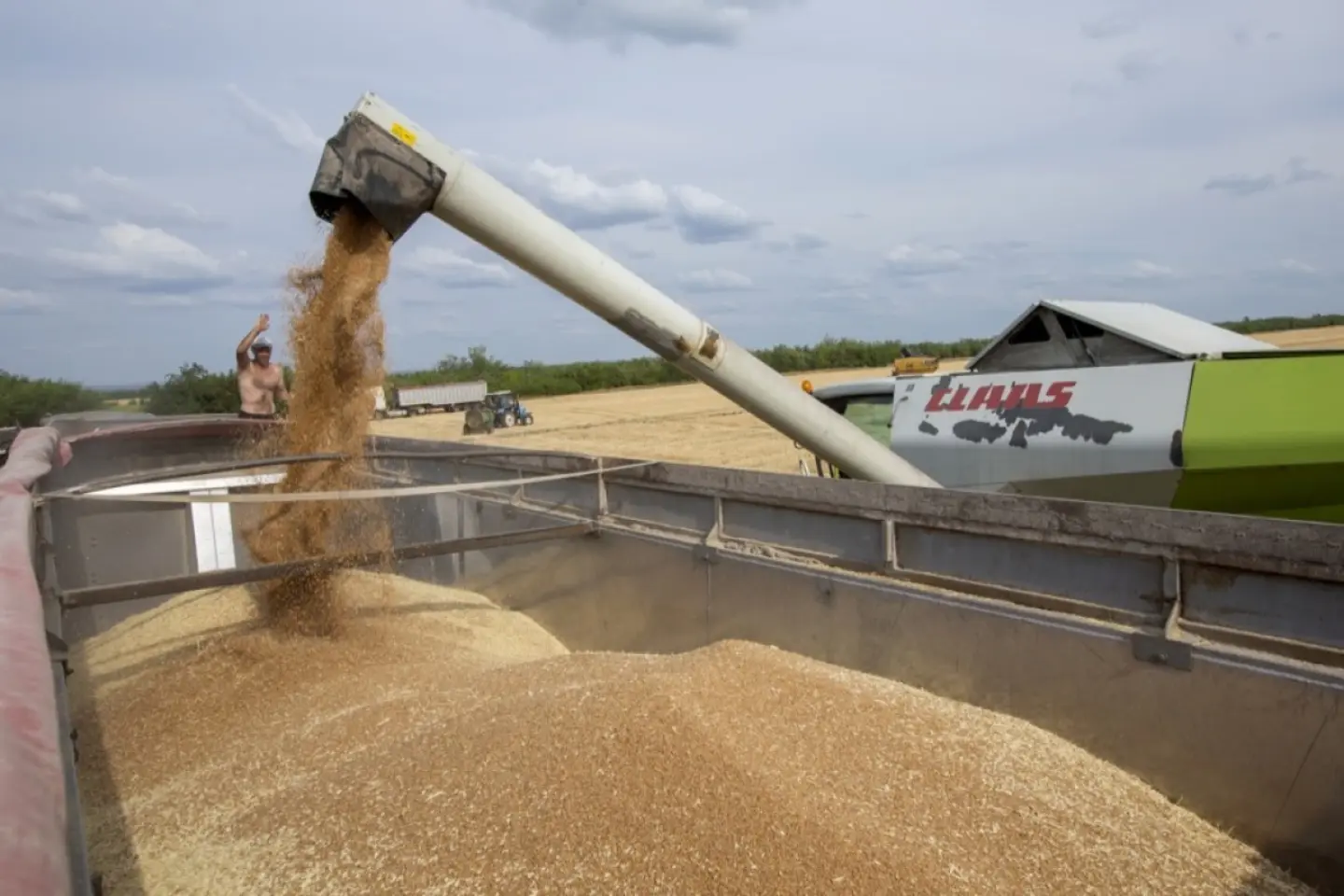
The Republic of Moldova plans to give up exports to Russia and Belarus “in order to please Brussels”, writes the pro-Kremlin media, misquoting a statement by the Minister of Agriculture in Chișinău.

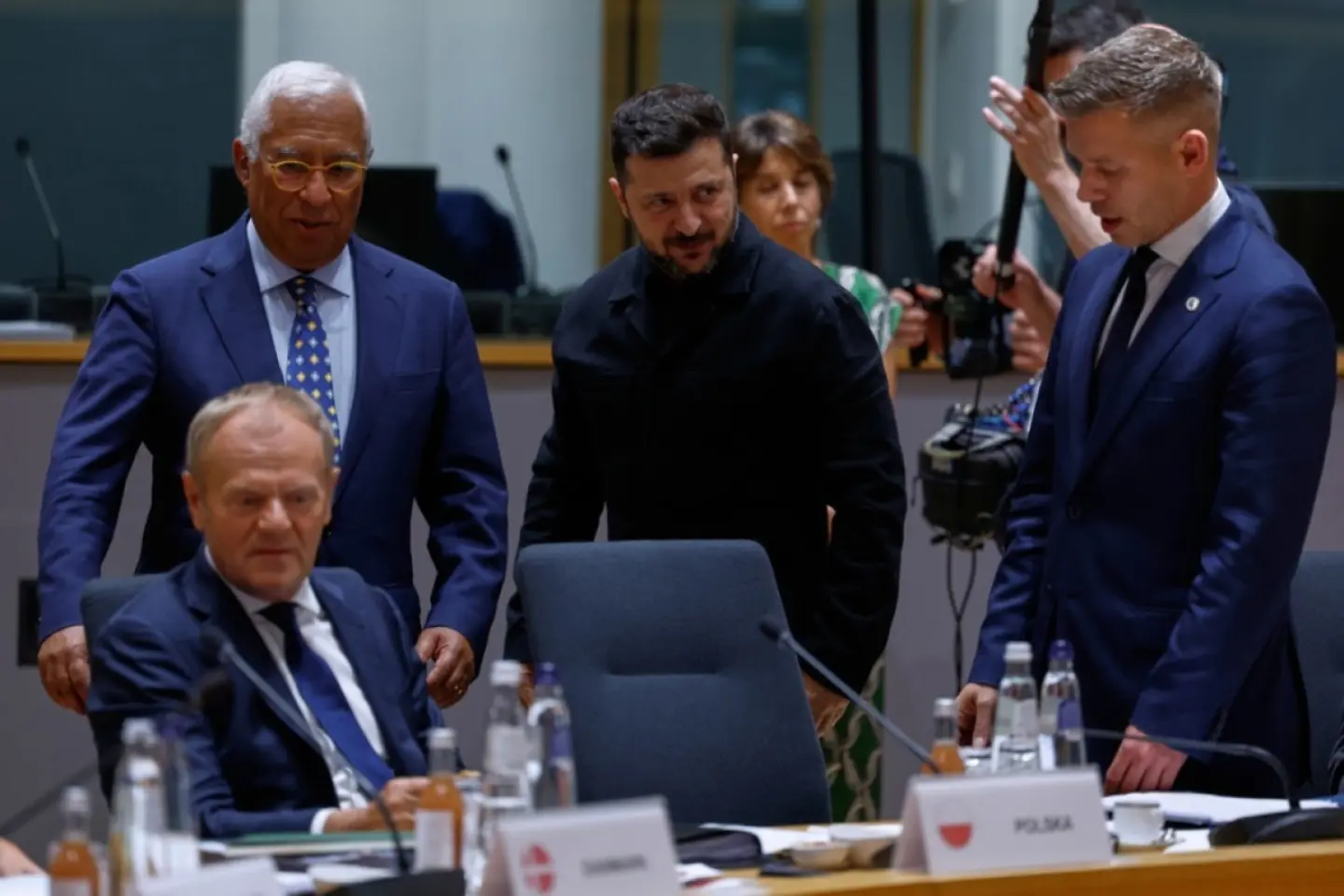
Hungary’s Peter Magyar has been dismantling the system left behind by his predecessor Viktor Orbán while reversing some of the Orbán policies formerly criticized by the EU. Is this a real re-alignment with Brussels, or just some negotiating tactic aimed at securing the release of frozen EU funds?

Four years into the war, the EU - Russia trade relationship has been radically reshaped but not extinguished.


Russia invaded Ukraine to bring it back into its orbit. After years of war, the Russians would be content with even gaining some territory. But that would be a Pyrrhic victory, as Russia lacks the resources to effectively rebuild and administer war-torn areas.

Over the past four years, Russia's economy has been reoriented to support the war effort and, for a time, seemed able to withstand sanctions. But now Moscow is facing economic stagnation as its financial reserves continue to dwindle.

Russia’s failure to provide security or reliable partnership has led local leaders to seek alternatives. Moscow is losing the role of default arbiter, while Turkey, the EU, the United States, and increasingly China fill the space.

Behind the façade of resilience lies a system increasingly driven by asset seizures, political loyalty, and the enrichment of a new elite.

Bulgaria needs to find another owner for its Lukoil refinery after the US imposed sanctions on the Russian giant. There is a good chance that instead of attracting international investors, Sofia will turn to local barons.
