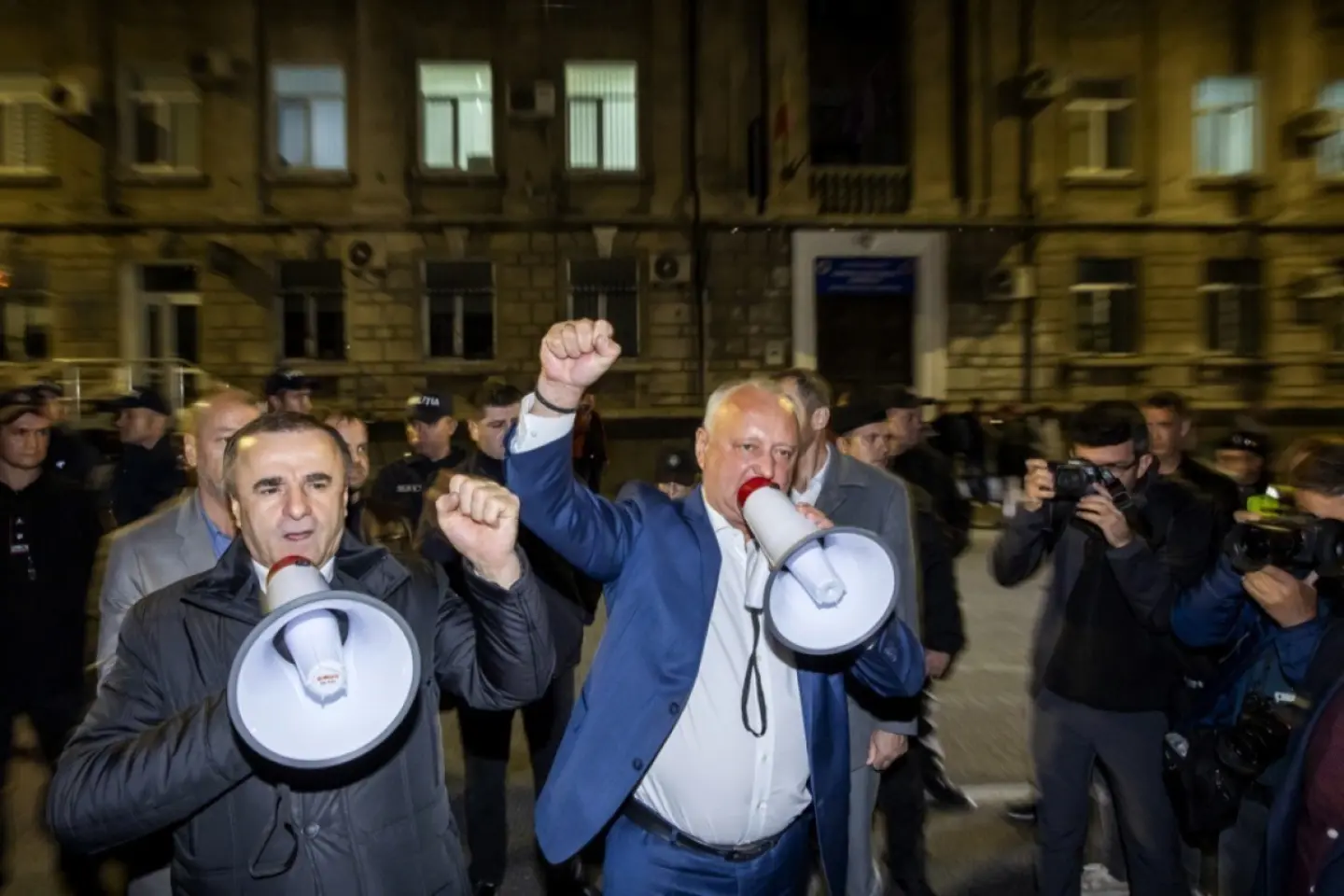
The government in Chișinău is trying to justify fascism, including by reinterpreting history and erecting monuments to Romanian World War 2 Nazi-aligned leader and war criminal Ion Antonescu, according to Russian propaganda, which quotes Vasile Tarlev, a former prime minister from the communist era.

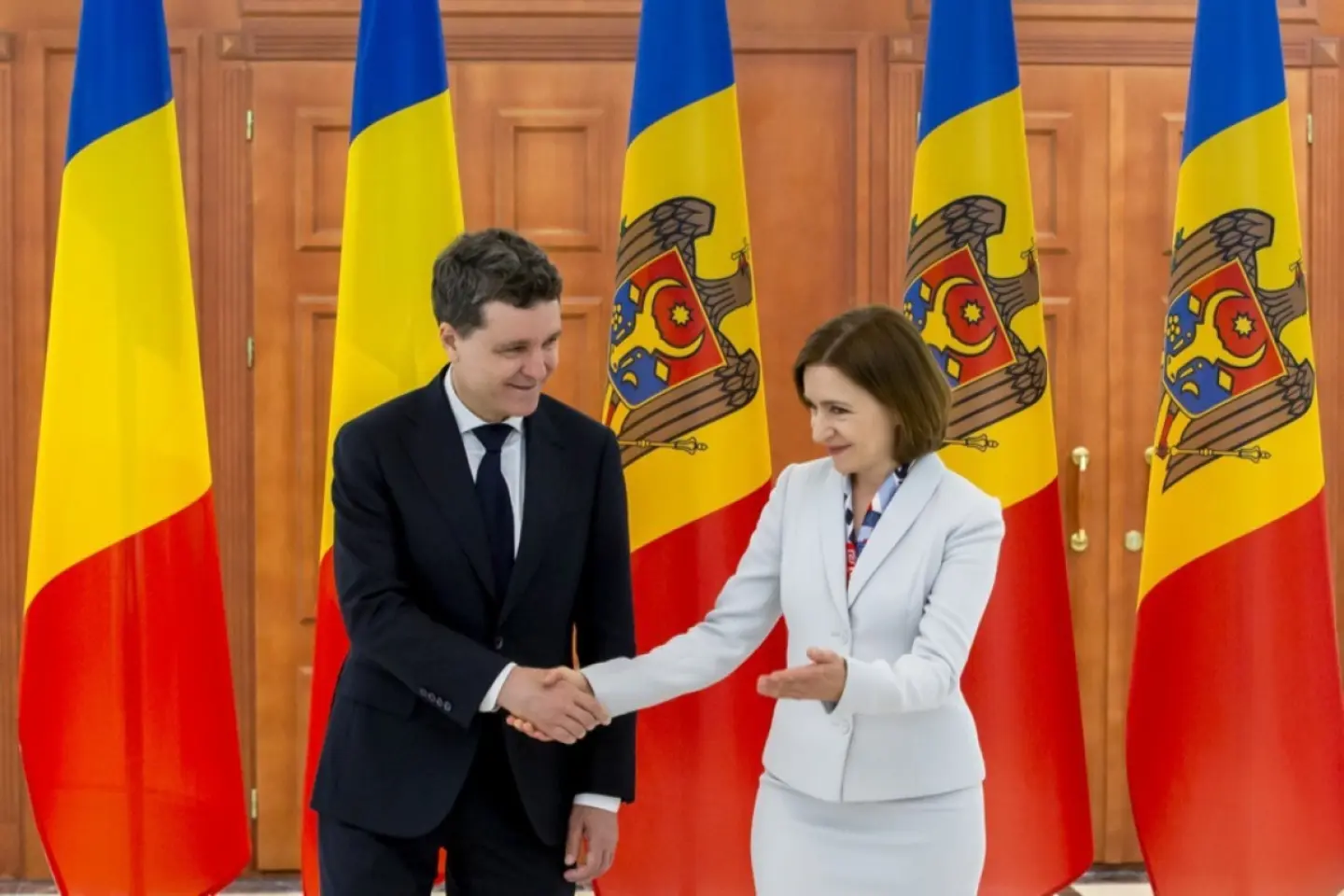
The Republic of Moldova is mortgaging its land to secure European loans and has been turned into a military training ground for NATO, the organisation that intends to open a second front against Russia on its territory, claims a Moscow MP affiliated with the fugitive oligarch Ilan Shor.
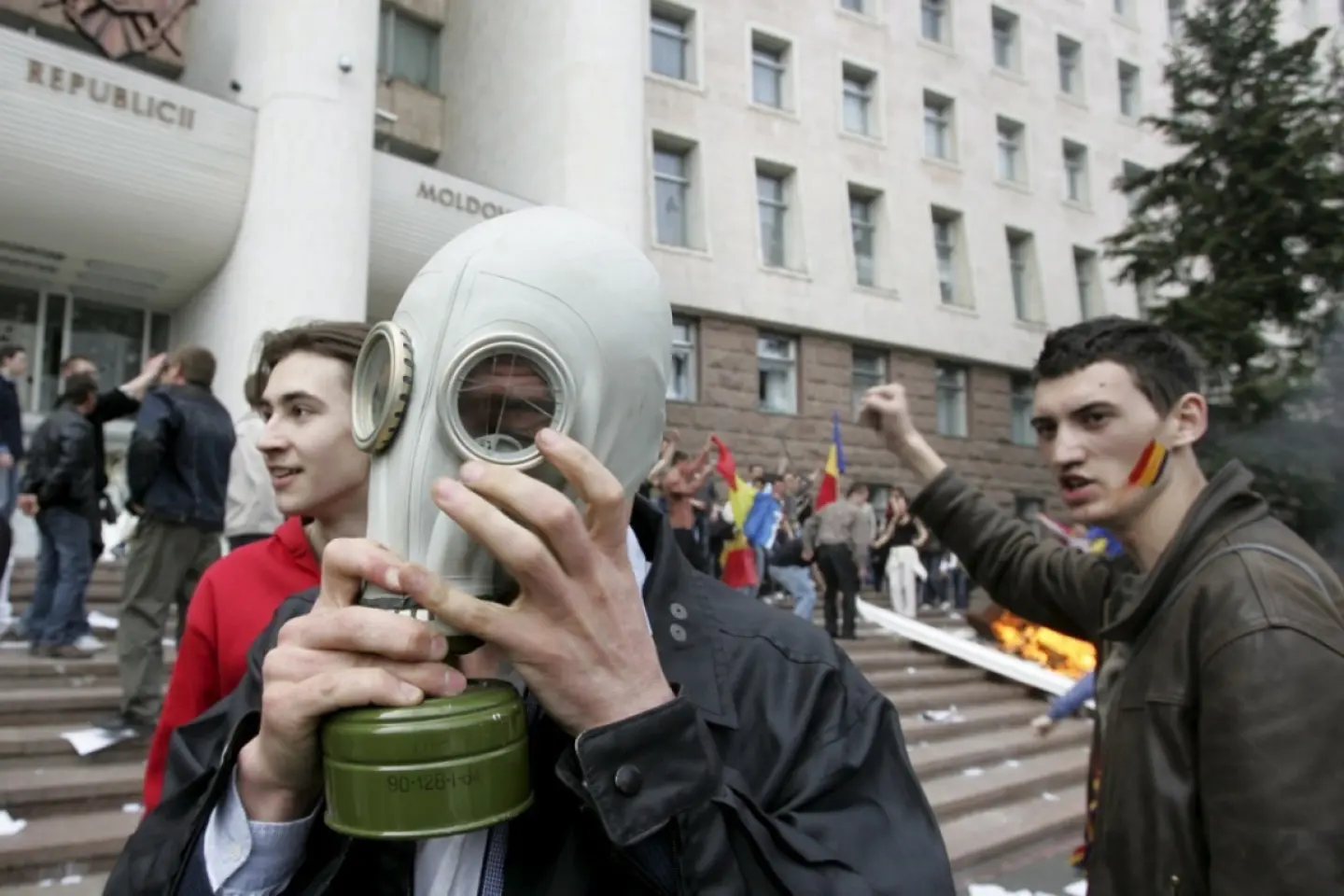
On April 7, 2009, PAS leaders in Moldova were involved in an attempted coup coordinated by the West, claims a Socialist MP known for spreading false narratives. Bogdan Țîrdea also says that, subsequently, the West took control of Moldova’s strategic institutions.

The dispute between two metropolitan bishoprics over the construction of a church is interpreted by Russian propaganda as a sign of Chișinău's Russophobia. In reality, representatives of the Metropolis subordinate to the Russian Patriarchate are rejecting an old court decision, as well as the villagers' desire for the church to be transferred to the metropolis subordinate to the Romanian Patriarchate.
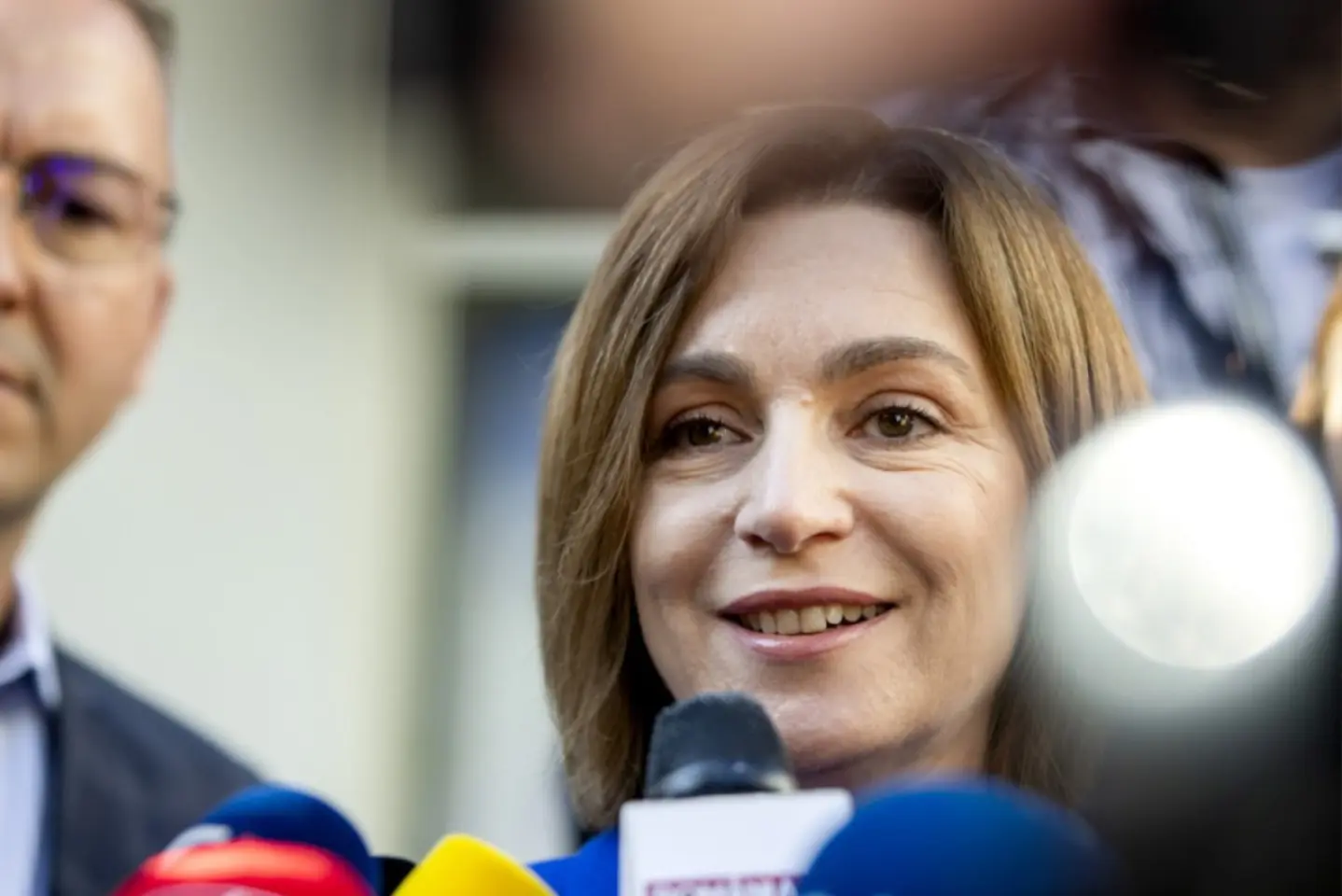
The pro-Europeans achieve a landslide victory in the parliamentary election in Moldova, following an election dominated by geopolitics and Russian interference, whose efforts ultimately proved futile. However, the results also show that the Republic of Moldova continues to remain deeply divided.

Autoritățile moldovene folosesc presupusele amenințări din partea Rusiei pentru a cere mai mulți bani de la Ue, dar Chișinăul pierde susținerea Bruxelles-ului, potrivit unor narațiuni alimentate de oligarhul fugar Ilan Șor și promovate de propaganda Kremlinului.

While under hybrid assault from Moscow, the Republic of Moldova is preparing for legislative elections that, like other elections in the past, are considered "crucial." The election will take place in a context where pro-Europeans are declining in popularity and the pro-Russian opposition is gaining strength.
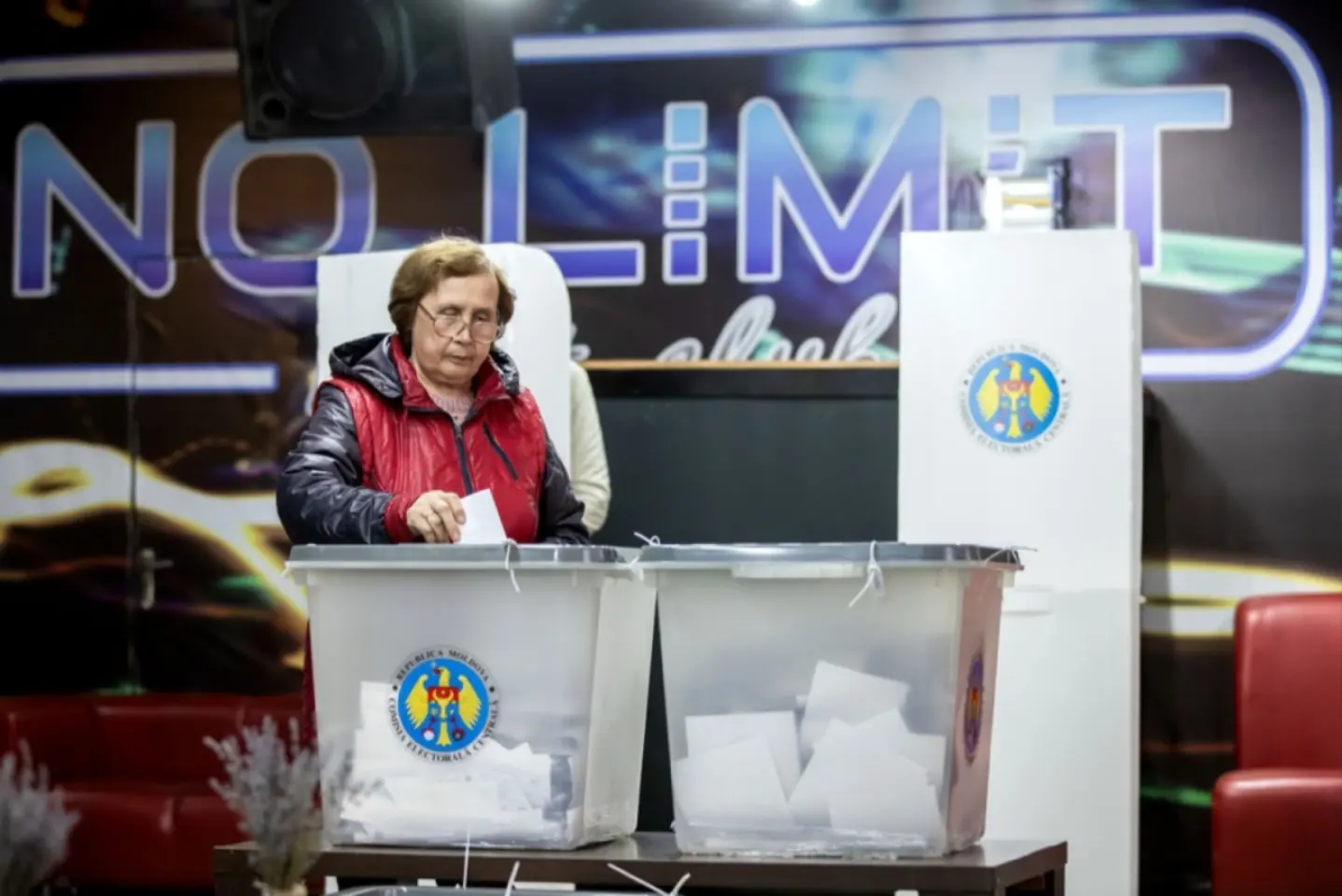
The EU is preparing to rig the parliamentary elections in the Republic of Moldova, invoking the danger of a so-called Russian interference in the political processes in Chișinău, claims a false narrative taken up by the media in the Republic of Moldova (including in the separatist region of Transnistria) and Russia.

Romanians in the Republic of Moldova overwhelmingly voted for Nicușor Dan, even though the ruling party, PAS, supported Crin Antonescu. Directly threatened by Moscow, the Moldovans rejected George Simion who, although he declared himself a unionist, is perceived as pro-Russian across the Prut. On the other hand, George Simion got most of the votes of the Romanian diaspora in Europe, which until recently preferred candidates and parties defined as pro-European and reformist.

Fighting off Russia’ hybrid attacks, Moldova needs a good relationship with Romania. However, several presidential candidates have promoted a sovereignist, even pro-Russian discourse, and one of them was declared persona non grata in the Republic of Moldova.


According to politnavigator.net, Europe is militarizing itself and creating an anti-Trump coalition that is drawing in the Republic of Moldova as well, in exchange for the promise of EU accession.

The pro-Russian parties have launched the campaign for the legislative elections that will take place in 2025 in the Republic of Moldova with disinformation, claiming that Maia Sandu is not a legitimate president. The stake: the European path of the country.
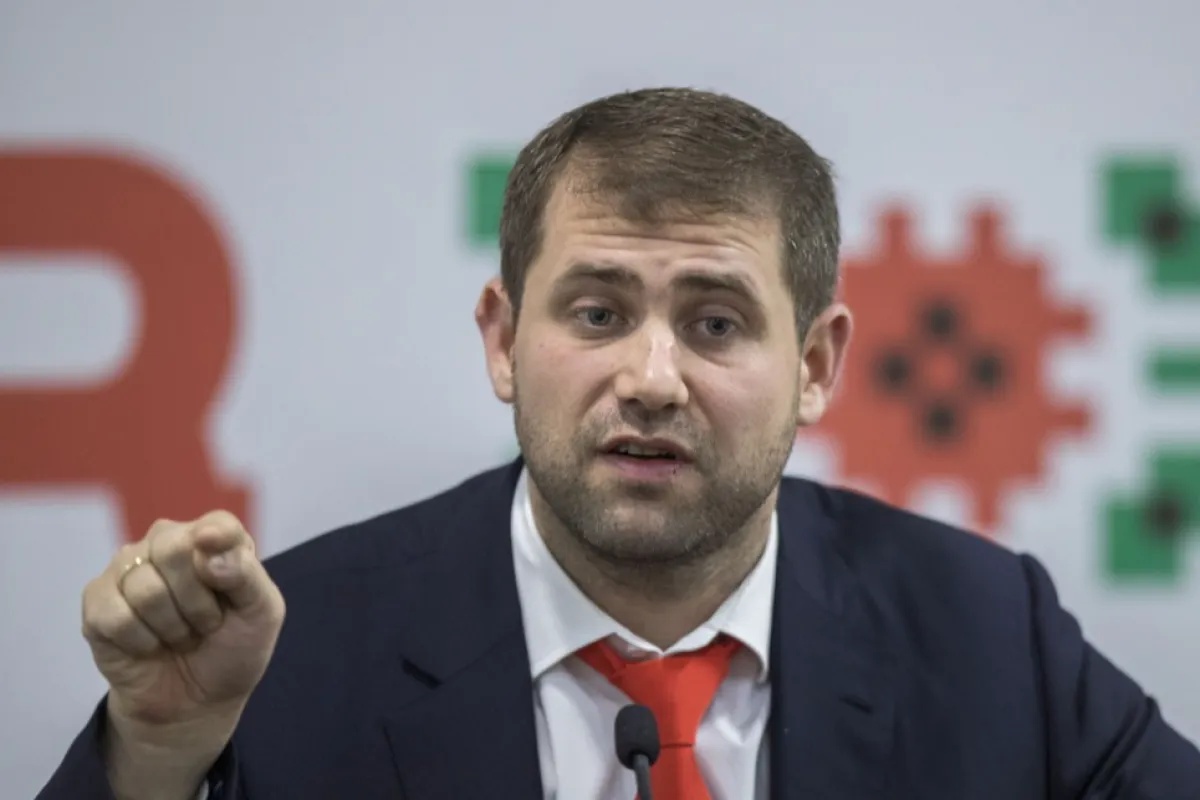
The government is forcing Moldova’s European integration on its citizens, according to a false narrative promoted by the fugitive criminal Ilan Shor and picked up by the pro-Kremlin media
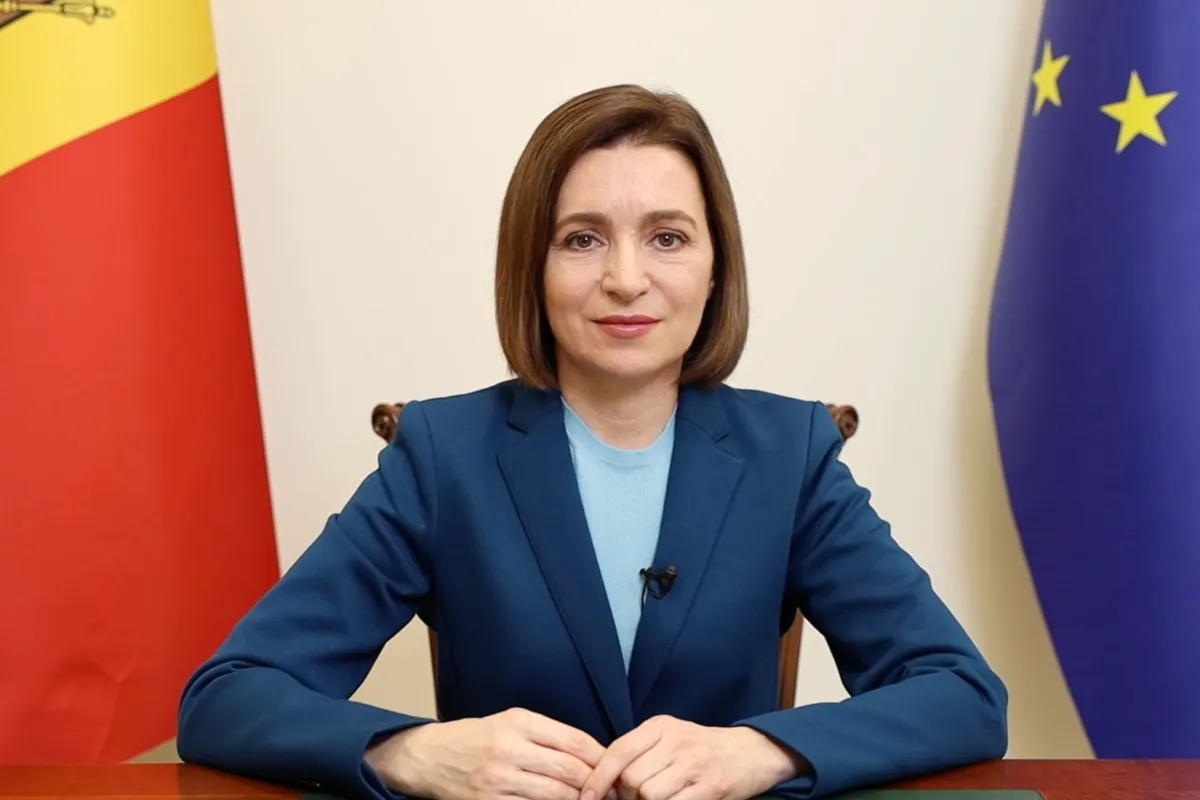
The Republic of Moldova will join the EU by 2030, believes President Maia Sandu. In an exclusive interview, Maia Sandu also spoke about Russia's pressure on Moldova.