
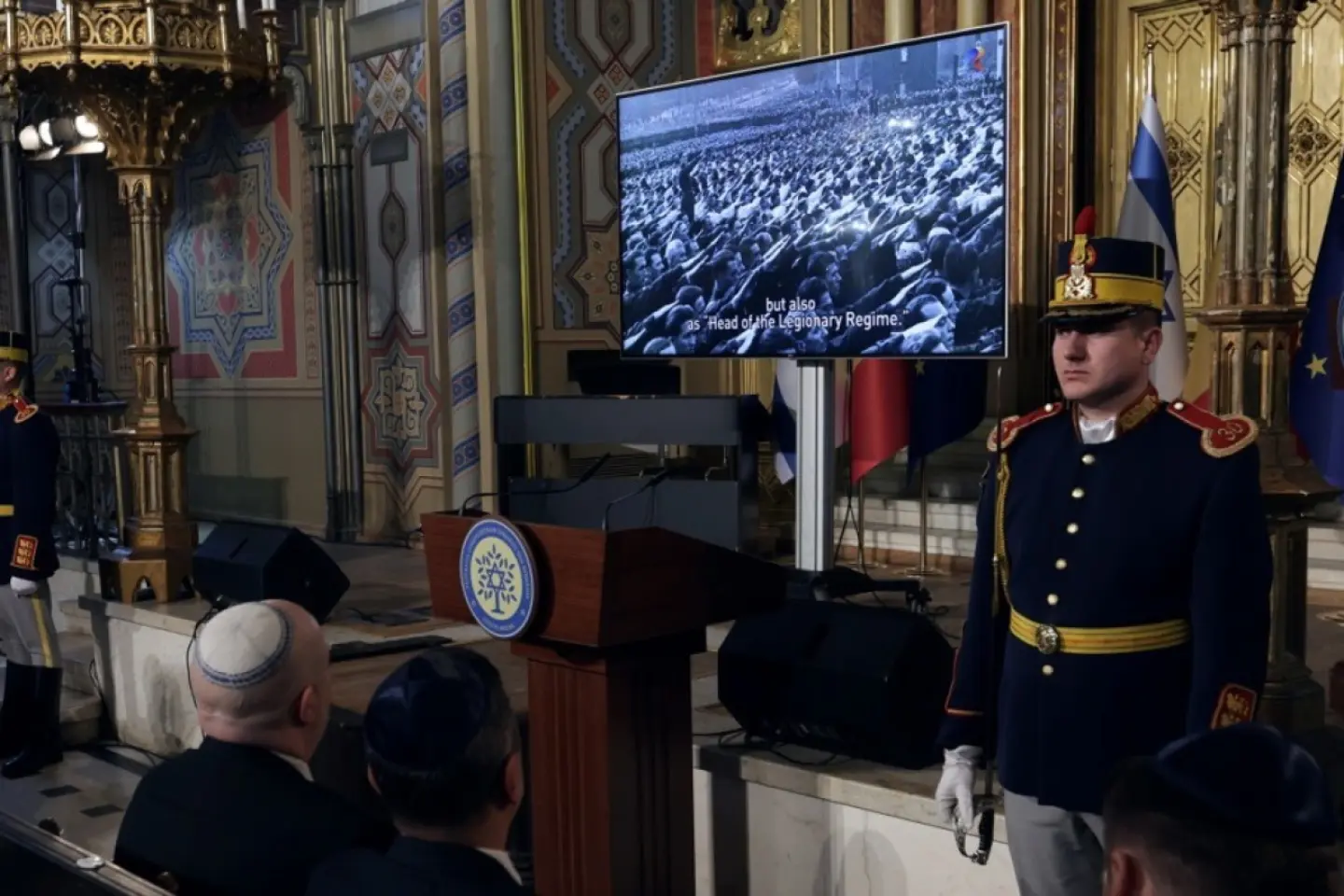
The investigation of those who advocate anti-Semitic personalities in history actually aims to eliminate Romanian nationalism and patriotism, according to a false narrative that emerged after the authorities started enforcing the law that bans fascist, Legionnaire, racist or xenophobic organizations and symbols.


The Vexler Law will erase the identity and history of Romanians, banning geniuses like Eminescu and Kogălniceanu, sovereignist propaganda claims, rehashing a number of anti-Semitic, denialist and conspiracist theses on this occasion. In fact, the law merely combats Nazi-style and neo-Legionary extremism.

In certain cases, the false narratives in question originated in Romania, but most often it was a matter of taking over and/or adapting disinformation theses to local narratives that have external actors as their source, especially Russia, certain political currents from the West (the alt-right area, the radical left) or conspiracist circles.
---copie-image.webp)
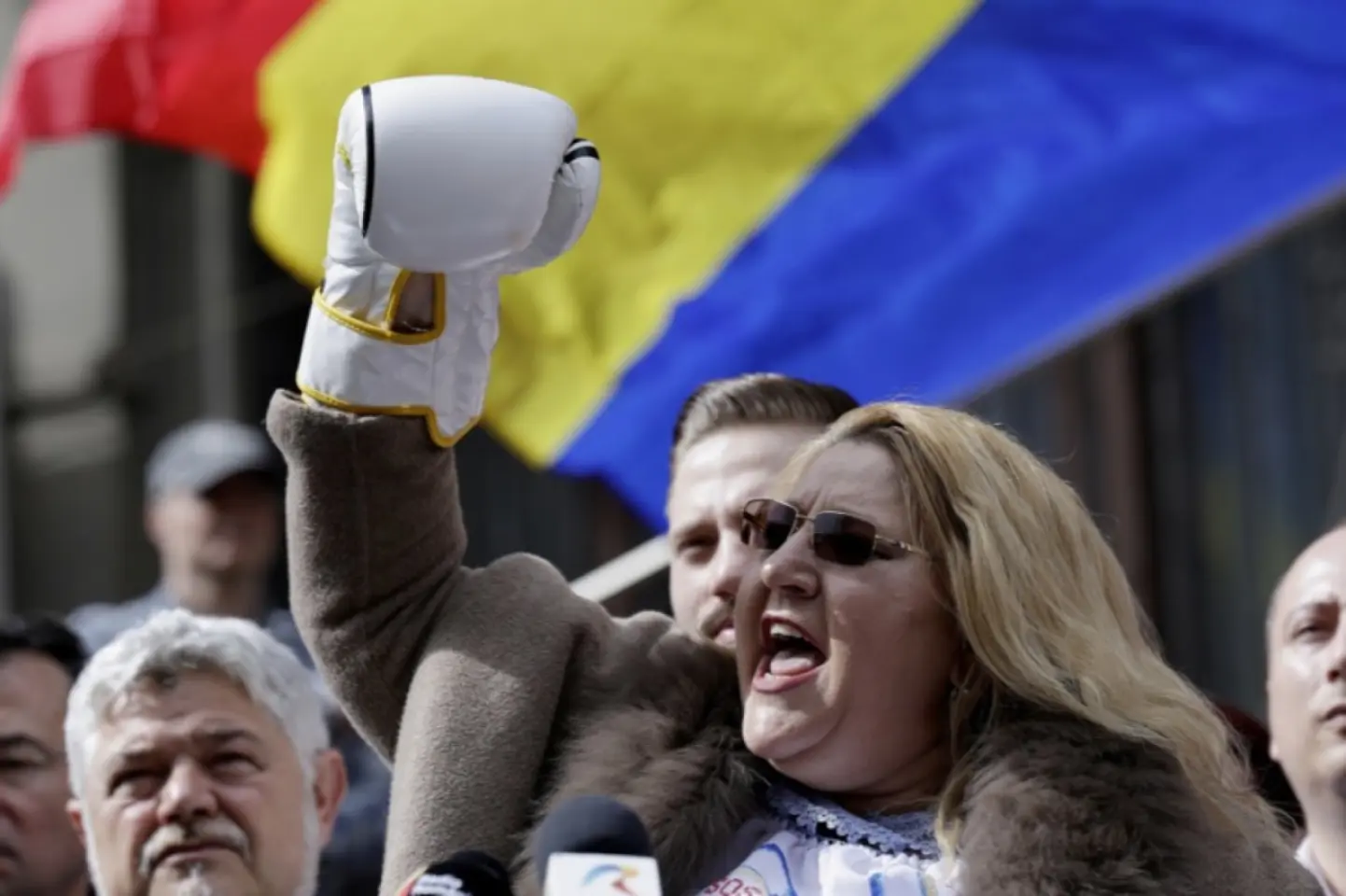
The Legionary Movement was not a fascist organization and did not commit mass crimes, a fact allegedly acknowledged by the Nuremberg Tribunal, Diana Șoșoacă absurdly claims.

According to a false narrative that ignores Gyr’s involvement in legionary crimes, Radu Gyr, an anti‑communist and devout Christian, is portrayed as the only person ever sentenced to death for writing a poem. This narrative follows a decades‑long pattern of attempts to rehabilitate legionary figures or even the Legionary Movement as a whole.
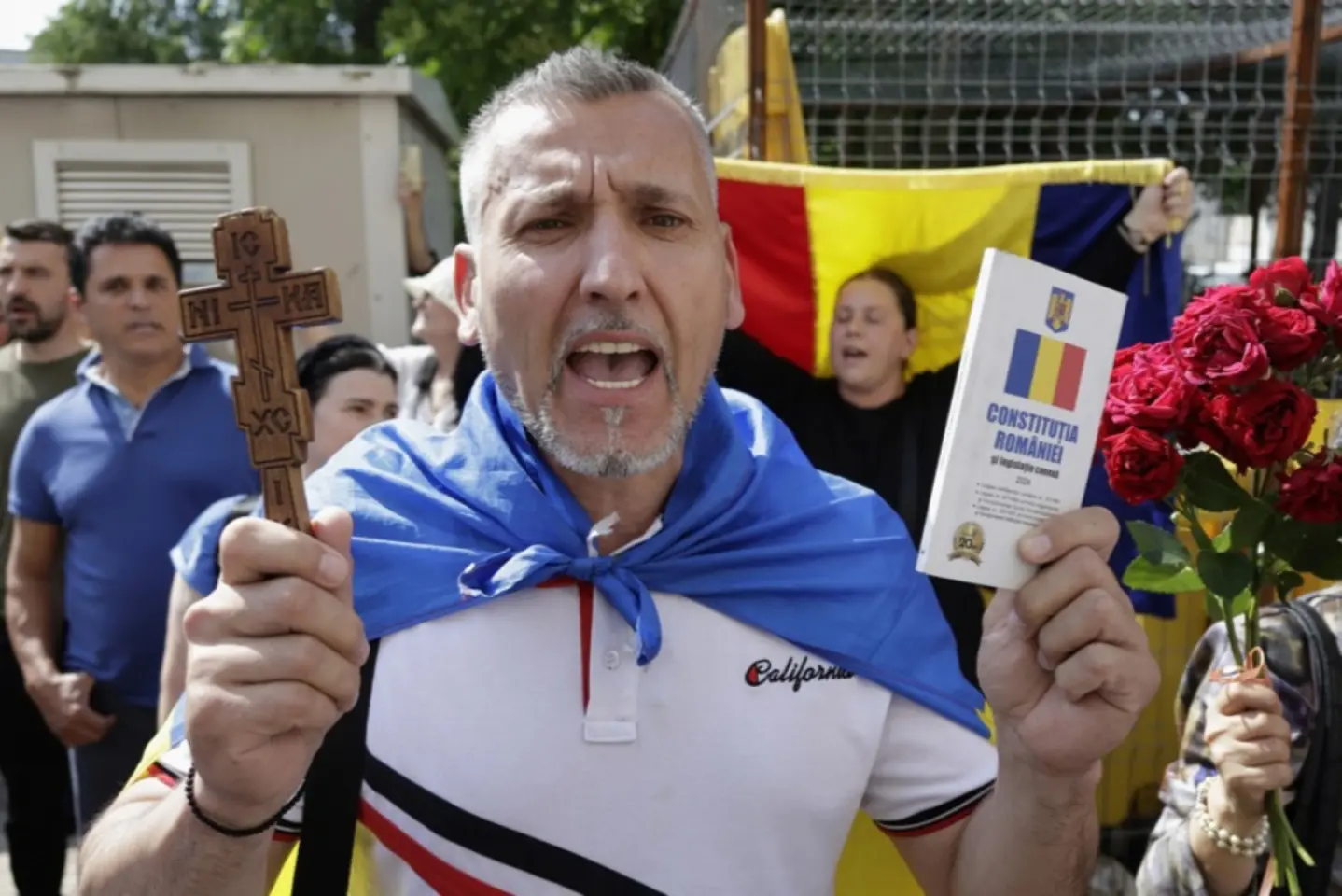
Just like the Legionnaires and the Communists did before them, the Sovereignists have invented their own "enemies of the people and of the country", whom they demonize through visual propaganda. The targets include the EU, Ukraine, Soros, CCR, LGBTQ+, Nicușor Dan and Mugur Isărescu.


The political evolution of (Neo)Legionarism, from pocket political parties, such as those created by Marian Munteanu, to organizations like The New Right (Noua Dreaptă) – the connecting link between (Neo)Legionarism and sovereigntism – and politicians who frequently make the front page, such as George Simion, Călin Georgescu and Diana Șoșoacă.


The Legionary movement re-emerged in Romania shortly after the 1989 Revolution. Some legionary theses and ideas can be identified in the discourse of present-day sovereignists. Veridica briefly traces the development of the (neo)legionary movement in post-communist Romania, under the authorities’ permissive eye.

The practice of compiling “blacklists” has reemerged in Romania. Such lists were used by legionnaires and communists to take out their opponents. The former provoked a spiral of political violence and death.
