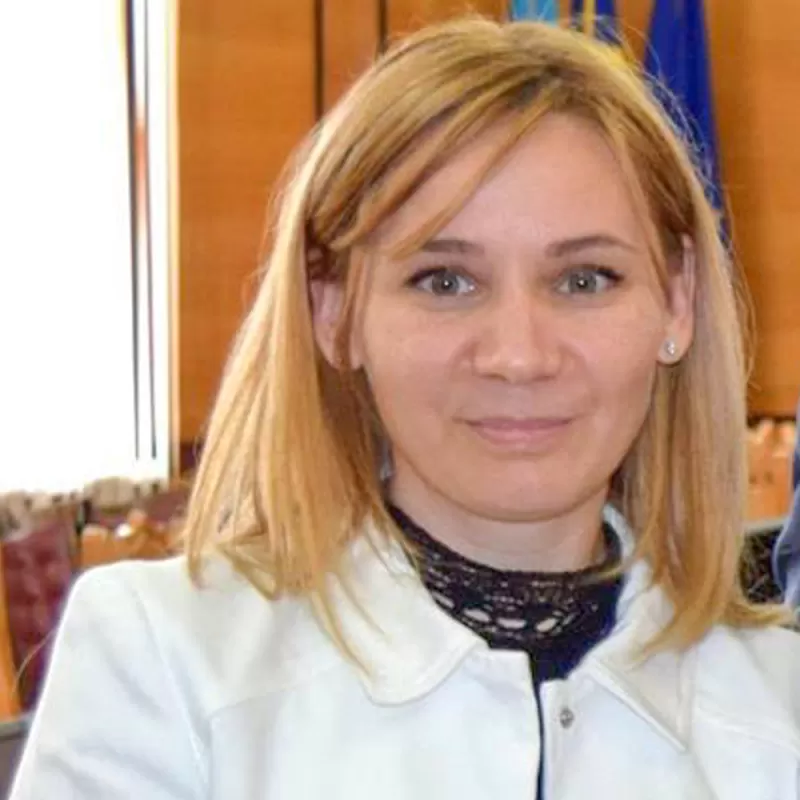
Georgian President Salome Zourabishvili is increasingly distancing herself from the ruling Georgian Dream party that helped her win the elections. Zourabishvili opposes the Georgian Dream increasingly anti-Western rhetoric and seems poised to challenge the Georgian Dream with a new political movement that would bring Georgia closer to the EU.


Georgia’s ruling Georgian Dream was recently forced to drop a Russian-inspired bill. The party seems determined to return to this project, which may compromise Georgia's European path, but is promoted by Russian propaganda. The problem for the Georgian Dream - and for Moscow - is that most of the population opts for Euro-Atlantic integration.

Formally, Tbilisi maintains its course towards integration into Euro-Atlantic structures, but the movement towards the West has been on inertia lately, while Moscow's influence is only growing. The ruling party, founded by oligarch Bidzina Ivanishvili, increasingly links national interests with his personal interests, be it political or business related. At a decisive moment for Georgia's future, such a policy may prove fatal.

Russia’s imperialistic drive is the result of policies in the “liberal” ‘90s, which the West and Ukraine turned a blind eye to at the time, the Russian independent media writes. Independent publications also claim that, by invading Ukraine, Russia brought European closer together. Previously, Moscow was bankrolling MEPs to gather support for Russia’s annexation of Crimea. Independent journalists have also analyzed the attitude of Russian artists towards the war, and noticed that those artists who are particularly popular with the younger generations refrained from supporting the war and even criticized it.