The media and some political theorists in Russia have begun to openly urge Moscow authorities to sanction the Republic of Moldova for its recent “oversights”, such as banning the symbols “Z”, “V”, directly associated with the Russian operations in Ukraine, and in particular the ribbon of Saint George, considered a symbol of the Russian army.

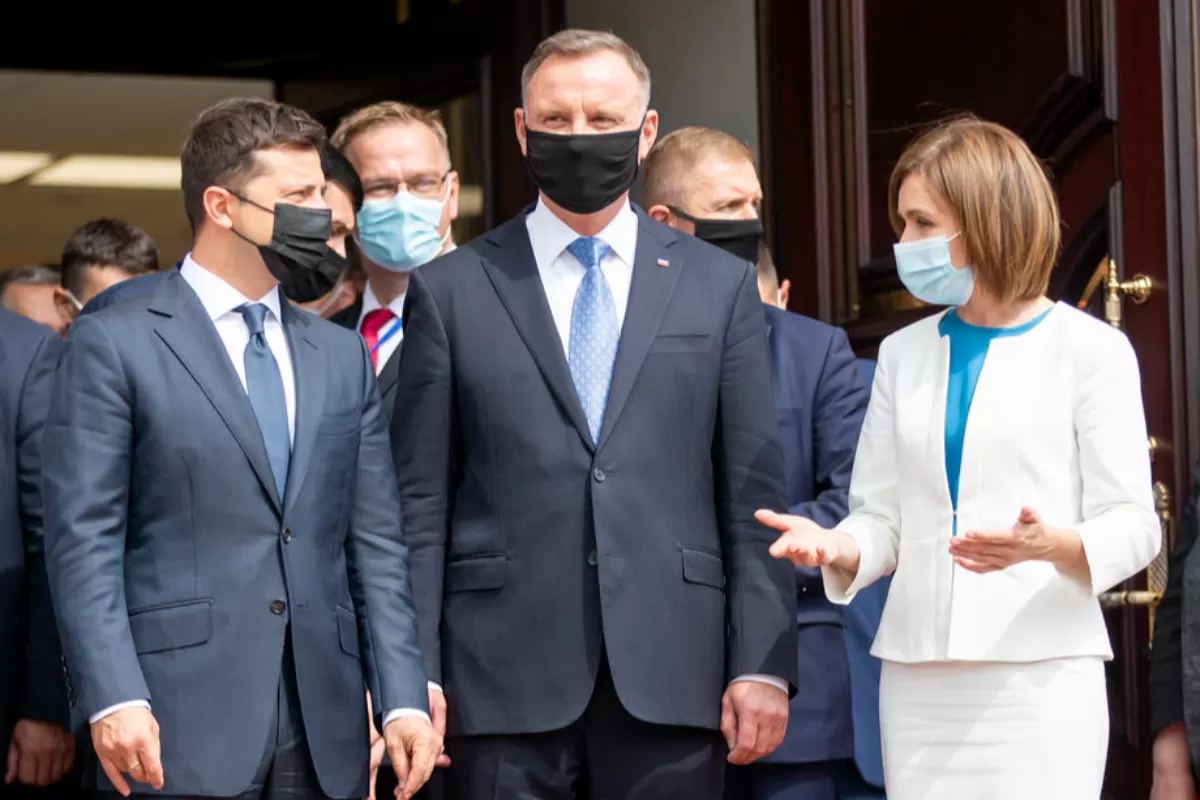
In recent weeks, the Republic of Moldova has seen increasing pressure from Ukraine. Kyiv is persistently calling on Chișinău to take measures in order to rally itself to the international sanctions imposed on Russia. Such a move would be however irrelevant in economic terms, and wouldn’t represent such a strong signal not even at political level. Instead, it could cause bigger troubles for the pro-European government,
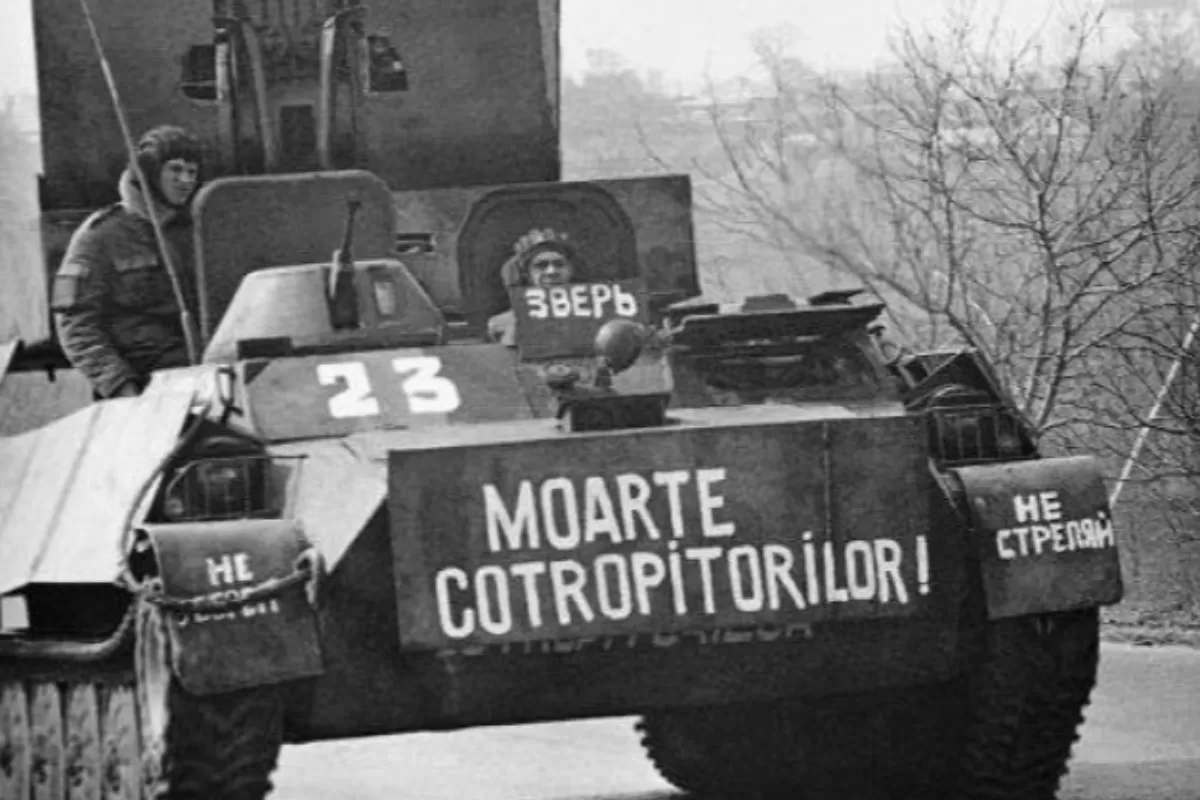
After the Republic of Moldova proclaimed its independence, on August 27, 1991, the relations between Chisinau and Tiraspol deteriorated considerably. There were clashes between the Moldovan and Transnistrian forces. And then, on March the 2nd, the war started


The Republic of Moldova has always been one of the easiest targets for the Russian propangada, which keeps working even if, against the background of the war in Ukraine, the Chisinau government has taken measures to contain and combat it. The narratives promoted in Moldova by Russia or pro-Russia entities and politicians are mainly about the war and seek to either present the Russian version of the war, or to discredit Ukraine and its citizens.

The former Minister of Defense, Viorel Cibotaru, currently a political and military analyst in Chisinau fought in the 1992 war on the Dniester between the Moldovan army and the Transnistrian paramilitary forces, helped by the Russian 14th Guards Army. Viorel Cibotaru explained for Veridica the starting point of the conflict, the role of the special services and of the Russian veterans, and the plan for the conservation of the defunct USSR in the former union republics.
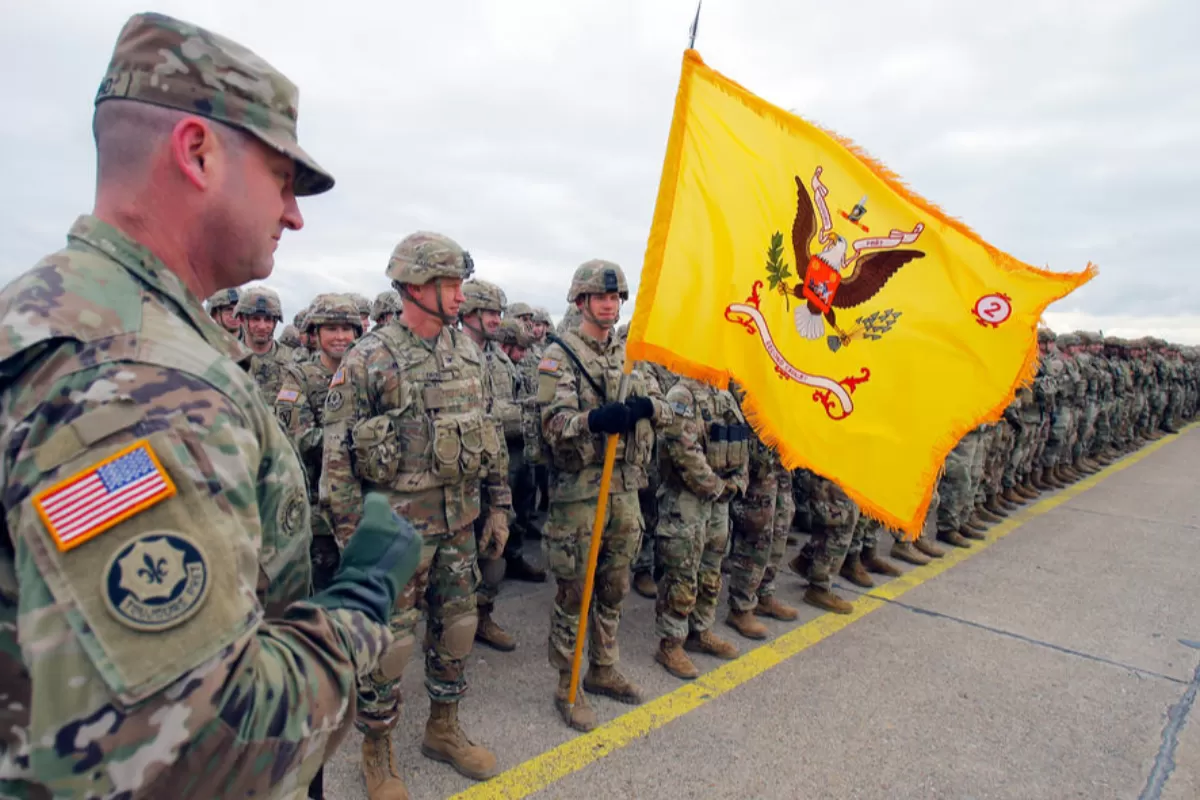
By supporting Ukraine, the West has actually declared war on the Russian Federation, and the Chisinau government has sided with the West, which might have serious consequences, Mejdurecie.md reads. The article is trying to justify a potential replication in the Republic of Moldova of the situation in Ukraine, if the first maintains its current stand towards Russia and the West respectively.

The Transnistrian war officially broke out on March 2, 1992, at a time when there had been violence for several months. The war was the last - and bloodiest - stage of a conflict in the former USSR between reformist forces, which in the republics had taken the form of national emancipation movements, and conservative ones, which wanted to maintain a Soviet empire with its capital in Moscow. The newly formed Russian Federation intervened in the war to maintain a bridgehead in the former province / Union republic.

A neighbor of Ukraine, the Republic of Moldova is directly interested in the way the war in Ukraine is unfolding, for both military and humanitarian reasons.

The Republic of Moldova has violated its neutrality status since it allows NATO to deliver weapons to Ukraine, currently at war with Russia, which invaded this country on February 24. This false narrative is promoted by politnavigator.net, which references a commentary of a Russian expert.


The Kremlin wants to strengthen its de facto power in Moldova’s separatist region of Transnistria by speeding up the procedure for granting Russian citizenship to residents of the region who have not acquired it yet. And while at it, Moscow is completely ignoring Chisinau.

The Government in Chișinău wants to fuel the Transnistrian conflict in order to make the country more appealing to the West and thus obtain a larger financial support, according to a recent false narrative. In fact, the conflict in Transnistria is one of the major obstacles in the way of Moldova’s future European integration.

The government of the Republic of Moldova has repeatedly taken political and economic actions in order to ensure the survival of the separatist regime in Transnistria. Chișinău has become an advocate of this regime rather than a sovereign state that should encapsulate and reintegrate a rebel territory.
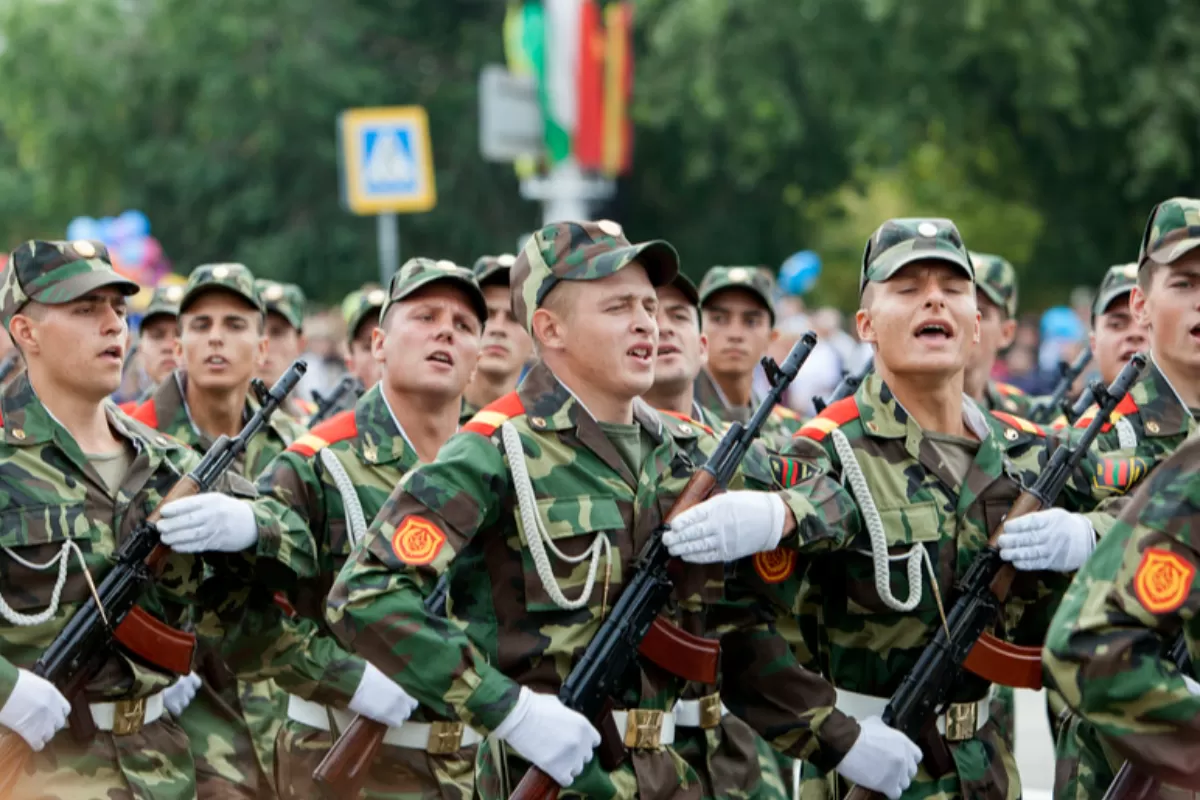
The crisis in Ukraine has generated a great deal of concern in the Republic of Moldova as well, considering that a possible conflict might also spread to its territory, in Transnistria.
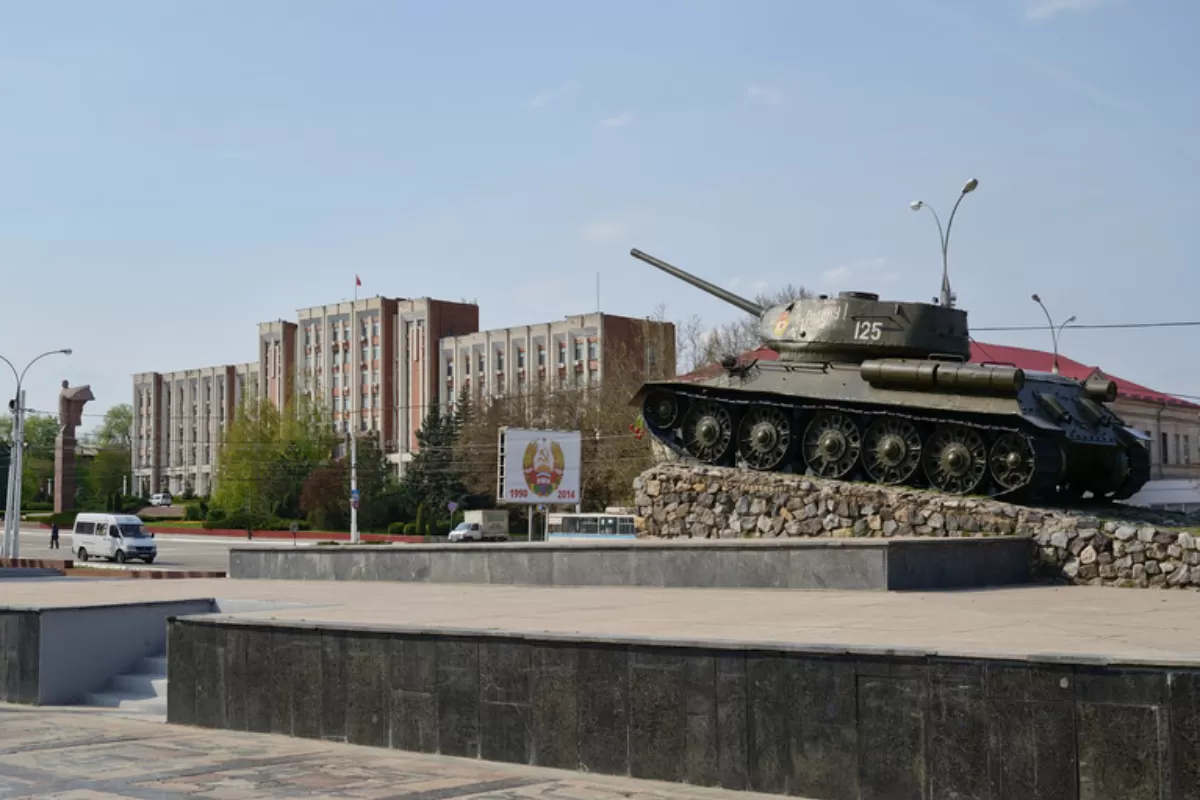
Vadim Krasnoselsky remains at the helm of Transnistria after Sunday’s presidential “election”, which the international community did not recognize. Supported by the Sheriff corporation, Krasnoselsky received the blessing of Moscow, the one who truly controls the breakaway region.

The pro-European government in Chisinau has entered a complicated period. Judicial reform has already begun in force and has already generated an internal crisis due to the detention of the prosecutor general, a measure that has been described as too harsh by some analysts, recalling a real "judicial blietzkrieg". This is exactly the kind of situation that Russia usually exploits, and Moscow has a few levers at its disposal to ensure that Moldova goes in the direction it wants.
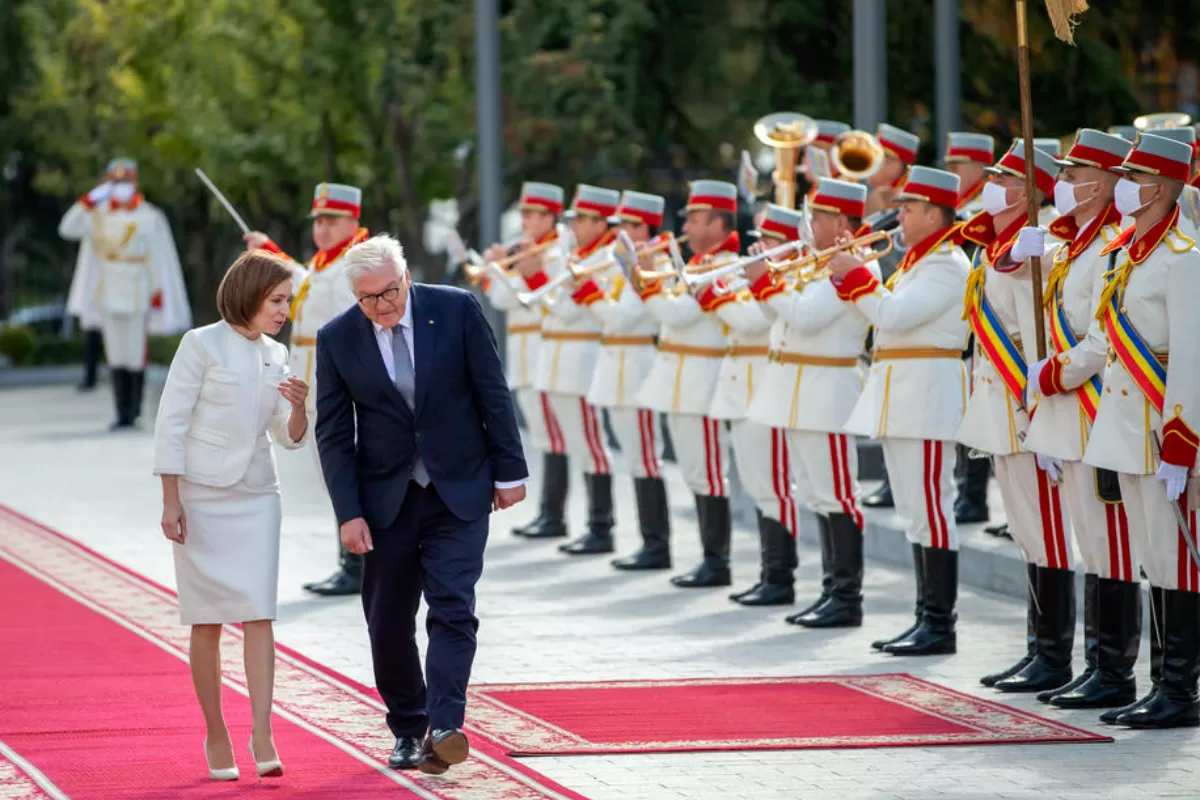
After Maia Sandu and PAS took over the reins of power, Chisinau started a genuine diplomatic offensive. There is openness towards the Republic of Moldova in the western chancelleries, as well as willingness to help, but that is no guarantee for success. A decade ago, the country was in a similar situation, but the failure of the governments that followed eventually led to years of isolation.

Sheriff Tiraspol, Moldova’s top football club, may be used by the regime in Transnistria to give some visibility to the separatist region and to try to gain a minimum of legitimacy on the international stage.

Russian claims that EU and the USA are allegedly interfering in the parliamentary election in Chișinău, scheduled for July 11. On May 13, the Russian Foreign Ministry spokesperson, Maria Zakharova, said “it is regrettable to see the growing interference of the United States and EU countries in the domestic politics of the Republic of Moldova, something which we firmly condemn”.

The US, Romania and the Republic of Moldova are preparing to attack Russia's main strategic sites in the Transnistrian separatist region, such as the former USSR arms depot in Cobasna, according to Kremlin’s propaganda arm, Sputnik. The narrative is being promoted while tensions are building up around Ukraine as Russia is concentrating troops in the area.

The Party of Socialists in the Republic of Moldova has abandoned plans to make the Republic of Moldova a Federation, reverting instead to a 25-year-old document that proposes the creation of a confederation as a solution to the Transnistrian conflict, by setting Chișinău on an equal footing with Tiraspol.
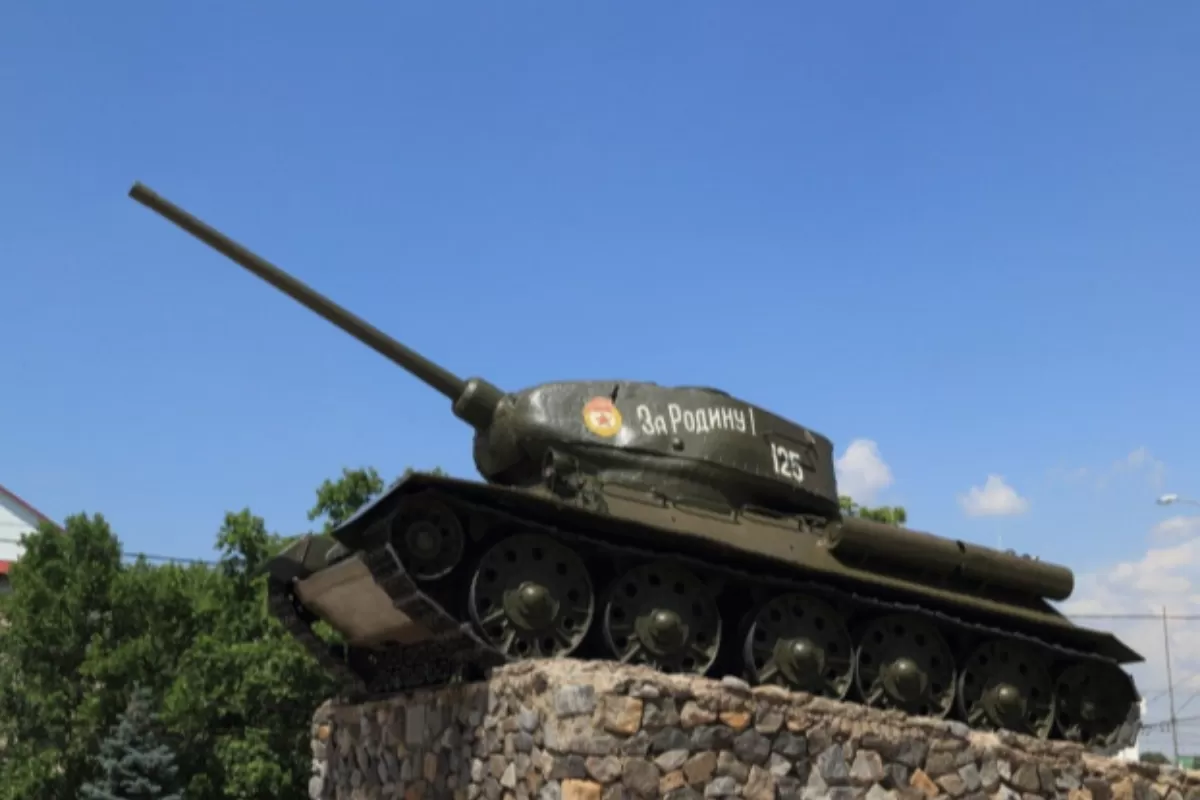
The EU has extended an economic lifeline to Transnistria, the underlying idea being that this would help avoid conflict in that region. Russia is no longer Transnistria's main economic partner, but still has considerable levarage in the region.
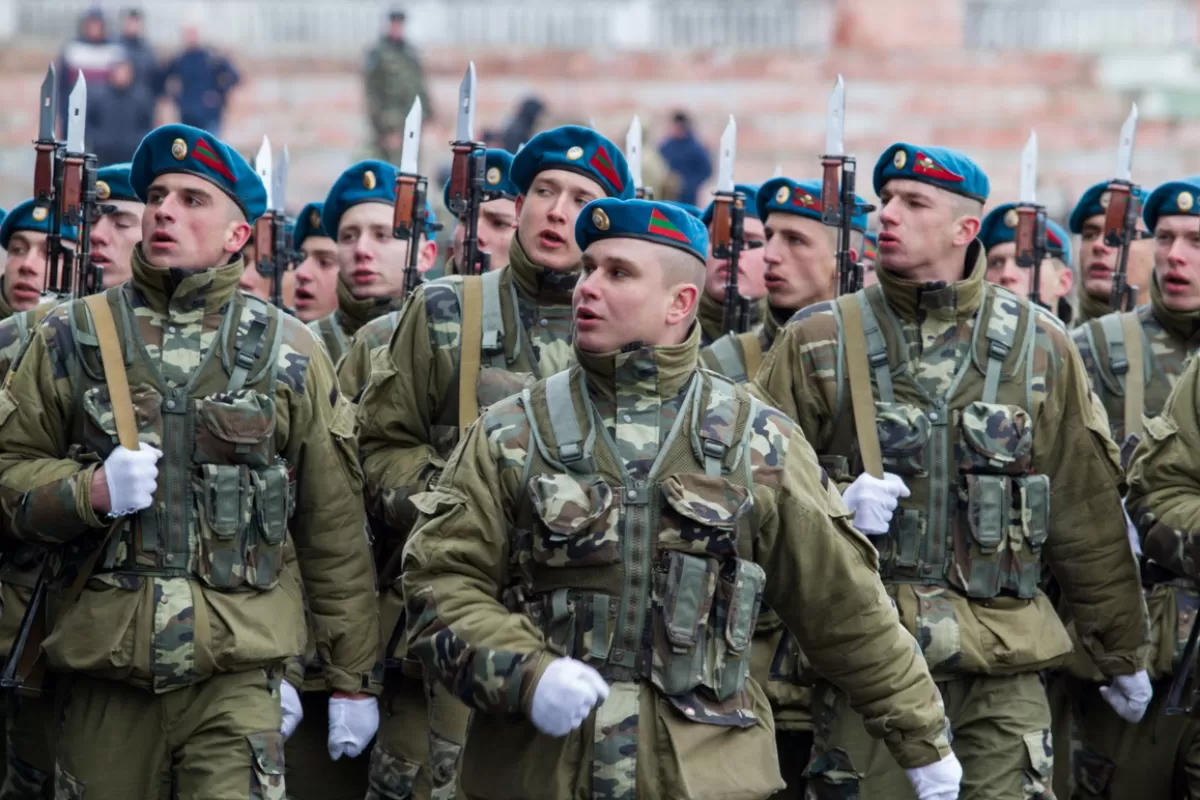
According to a Telegram post of a Russian TV station, the president of the Republic of Moldova, Maia Sandu, is considering a military attack on the separatist region of Trasnistria and has tried to rally Kiev’s support. The story has prompted a true media frenzy in Chișinău and Moscow, having been redistributed by a large number of media outlets. Chișinău authorities have dismissed this scenario, which they say carries little weight.

Transnistria a reprezentat în ultimele trei decenii una dintre cele mai mari enigme din Europa de Est și continuă să fie un studiu de caz aparte, fiind unul dintre primele conflicte înghețate din spațiul ex-sovietic și apoi un model pentru cele ce au urmat în jurul bazinului Mării Negre.
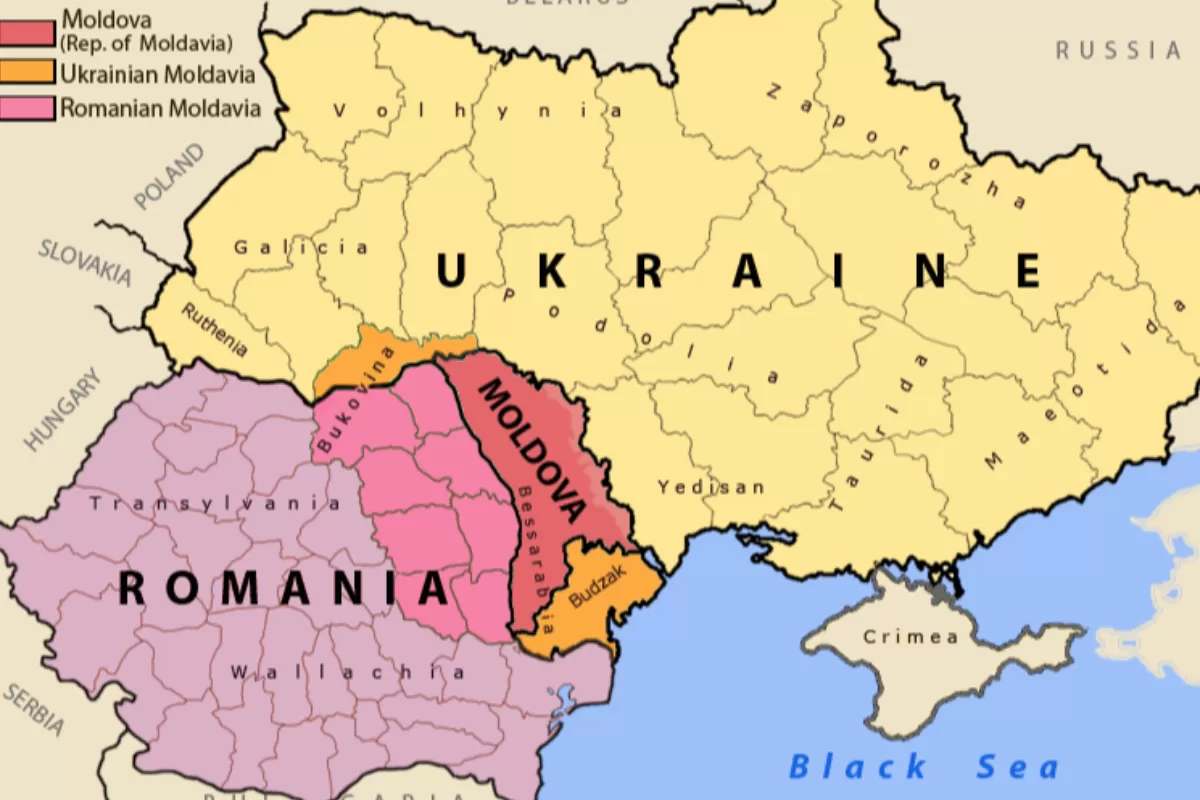
The former official newspaper of the Moldovan Government, Moldova Suverana (Sovereign Moldova), claims that the Republic of Moldova should offer Ukraine the separatist territory of Transnistria in exchange for Northern Bukovina and Southern Bessarabia.

Russia uses an aggressive rhetoric to disguise its lack of ideas and even real interest in Moldova. Transnistria – a pawn for future exchanges, tightly controlled by the Sheriff

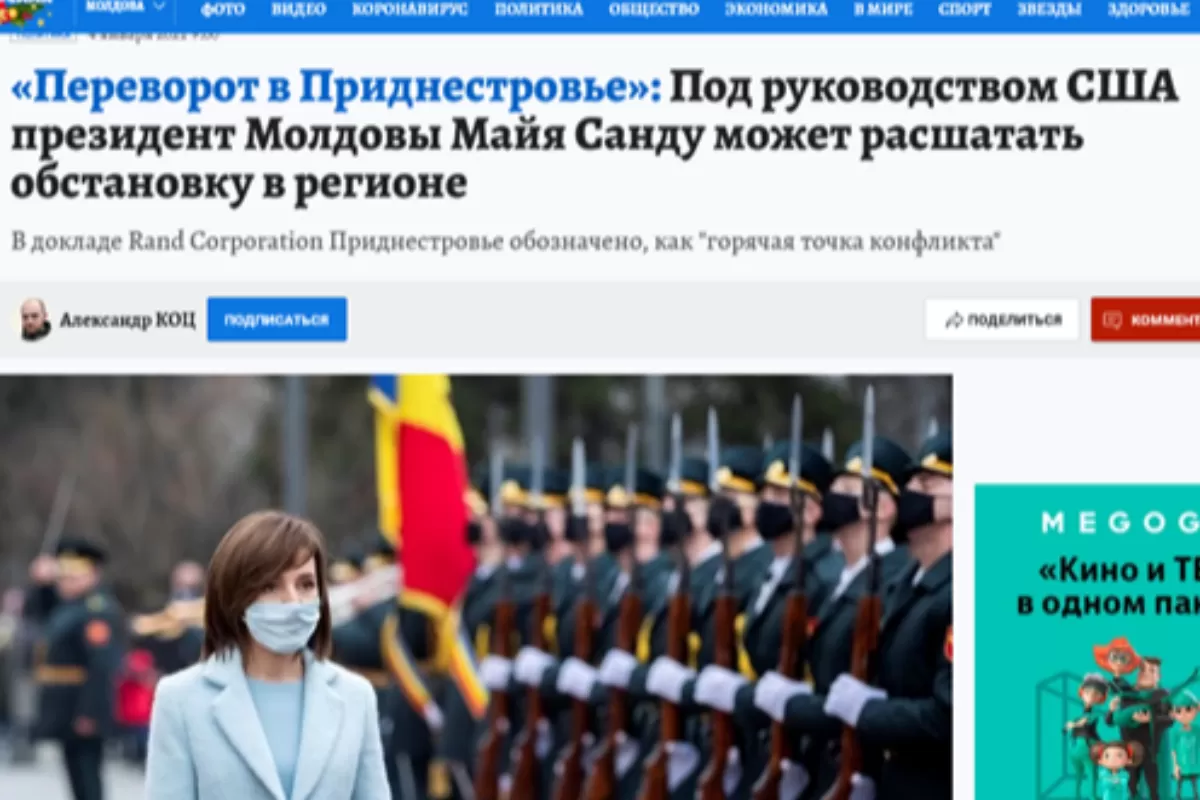
The president of the Republic of Moldova, Maia Sandu, is the target of attacks launched by the Kremlin regarding the escalation of the conflict in Transnistria. After she reiterated Chisinau’s stand on the withdrawal of the Russian troops illegally stationed in the Republic of Moldova since the Dniester War of 1992, high-ranking officials in Moscow have accused her of destabilizing the situation in the region. The article also resumes the narrative according to which Maia Sandu was brought to power by the West.