

After ousted PM Kiril Petkov’s coalition was adamant in its pro-West and pro-EU position, current interim government, selected by President Radev and led by caretaker PM Donev, is making chaotic moves, risking further instability.

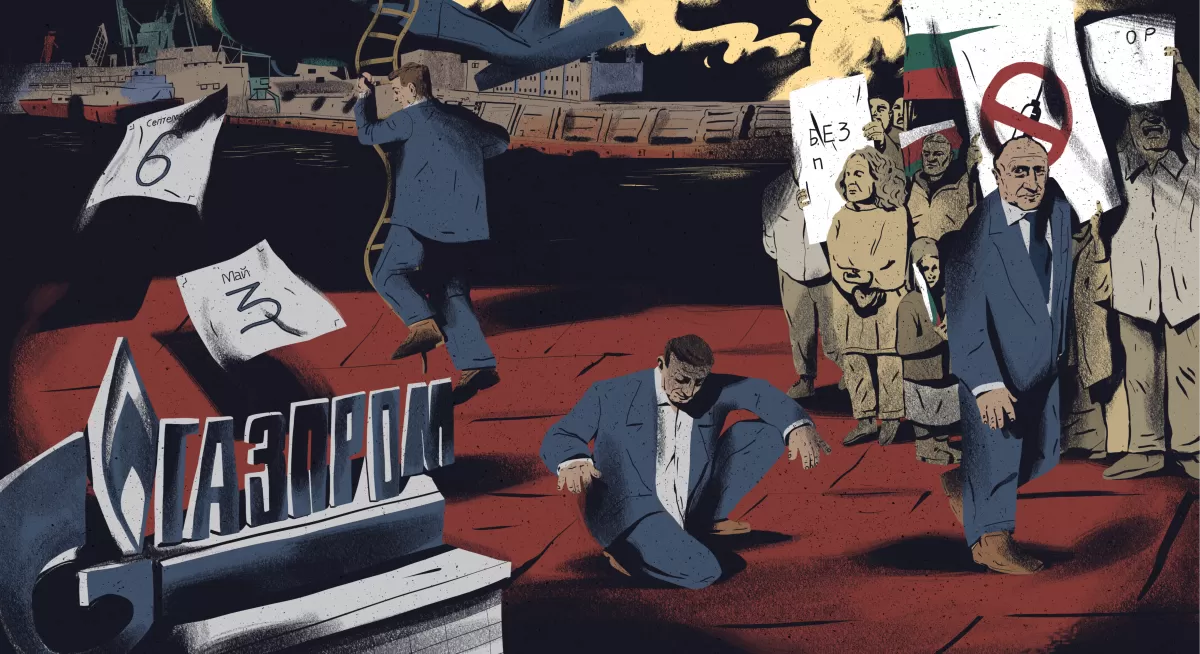
EU and NATO member Bulgaria, once Moscow’s closest satellite, has been moving away for years, albeit at a slow pace, from Russia’s pull. This process has been accelerated following Russia’s invasion of Ukraine. However, the Kremlin can still count on an array of friendly politicians, spies, and a disinformation and propaganda network to further its interests in Sofia.
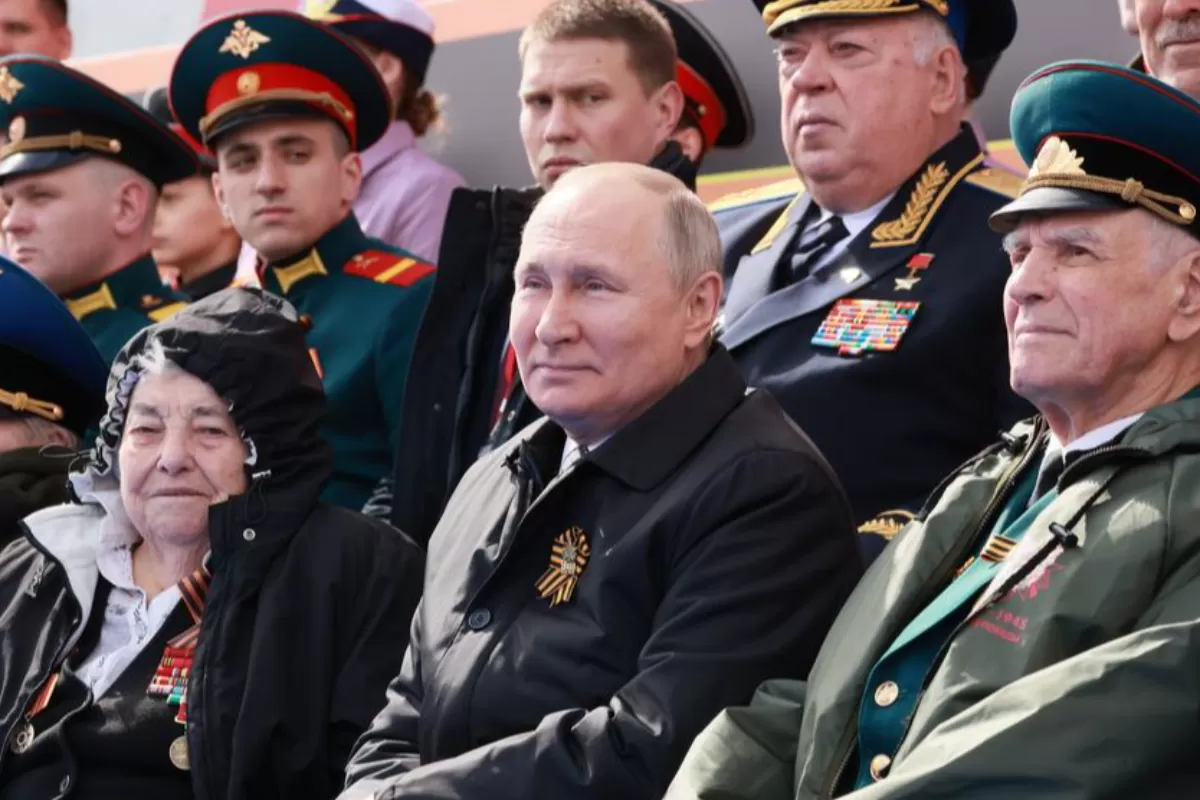
Outside Russia, Moscow’s representatives and supporters tried to mark Victory Day in ex-Soviet and ex-communist countries, but in most cases, their actions were overshadowed by protest actions against Russia’s acts of aggression or demonstrations of solidarity with Ukraine. Veridica’s contributors in ex-Soviet and ex-communist states have closely followed May 9 celebrations.
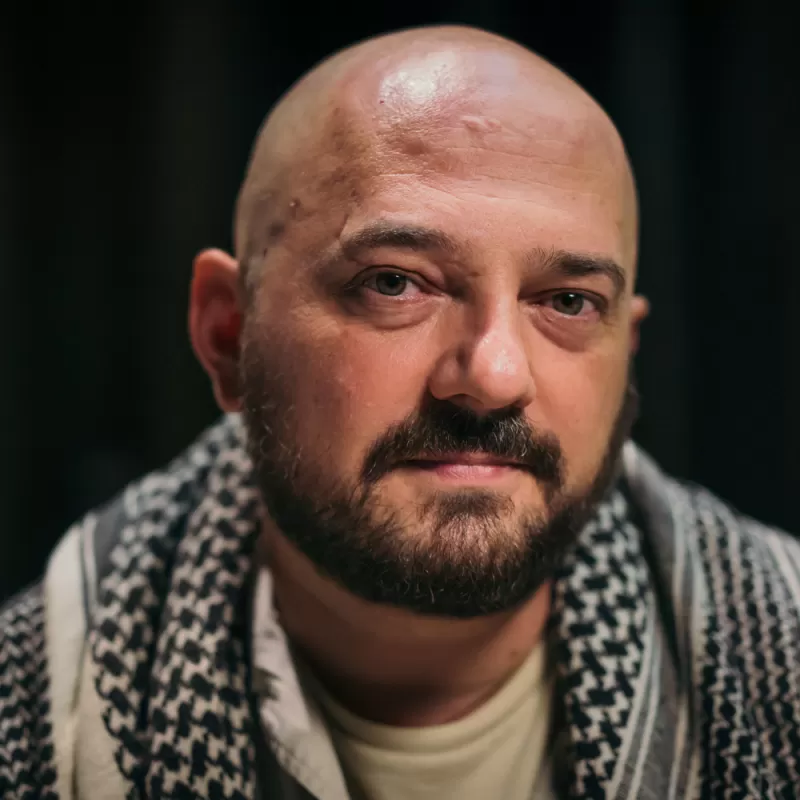

PM Kiril Petkov faces numerous challenges in his desire to send military aid to Ukraine including severing his relationship with the man who introduced him into politics, President Radev. On top of that, Russia cut Bulgaria’s gas supply, adding to the challenges faced by the government.

The tension between Russia and NATO put forward the question on how Bulgaria’s army can be reformed after decades of neglect and whether the country is the alliance’s “weak link”. PM Kiril Petkov looks like he’s on a solitary mission to prove this is not the case.

After several strong fake news waves in recent years, antivax sentiments are gaining momentum and cause fears even in the non-conspirative thinkers.
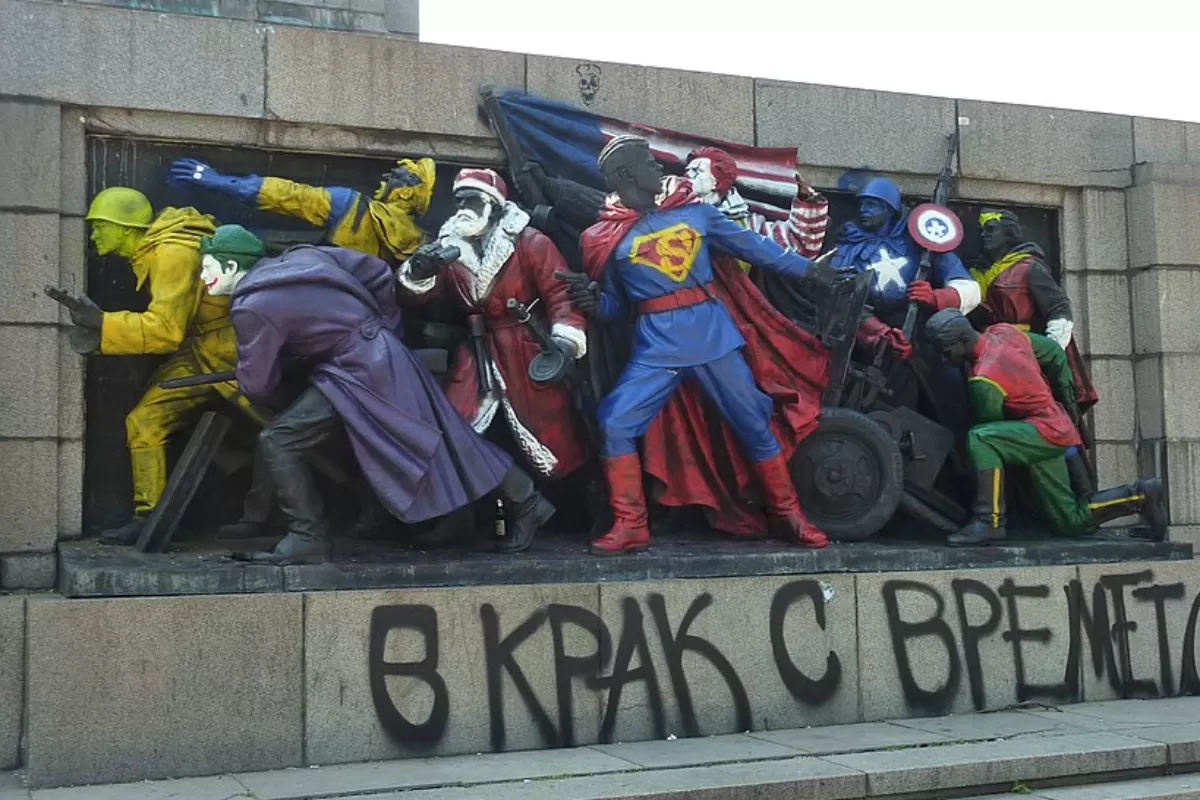
Once Moscow’s most reliable satellite in Eastern Europe, Bulgaria expelled six Russian diplomats for spying since October 2019. Is Sofia trying to step out of Moscow’s shadow, or merely creating a smoke screen for affairs on a different level?
