

The non-governmental organizations funded from the West are directly involved in the election campaign in the Republic of Moldova, according to an article published by Rubaltic.ru, which largely takes over the theories used in the presidential campaign by the Socialist Bogdan Țîrdea. The attack on civil society is in fact targeting the Action and Solidarity Party, the Socialists' main contender in the early parliamentary elections of 11 July.


The “regime” in Chisinau wants to have the Republic of Moldova join NATO and is ready to make “unfriendly” gestures towards Russia, according to a false narrative promoted by Sputnik. The starting point of the narrative was the participation of a single Moldovan army platoon in a multi-national exercise to which, in the past, Russia would also be invited.
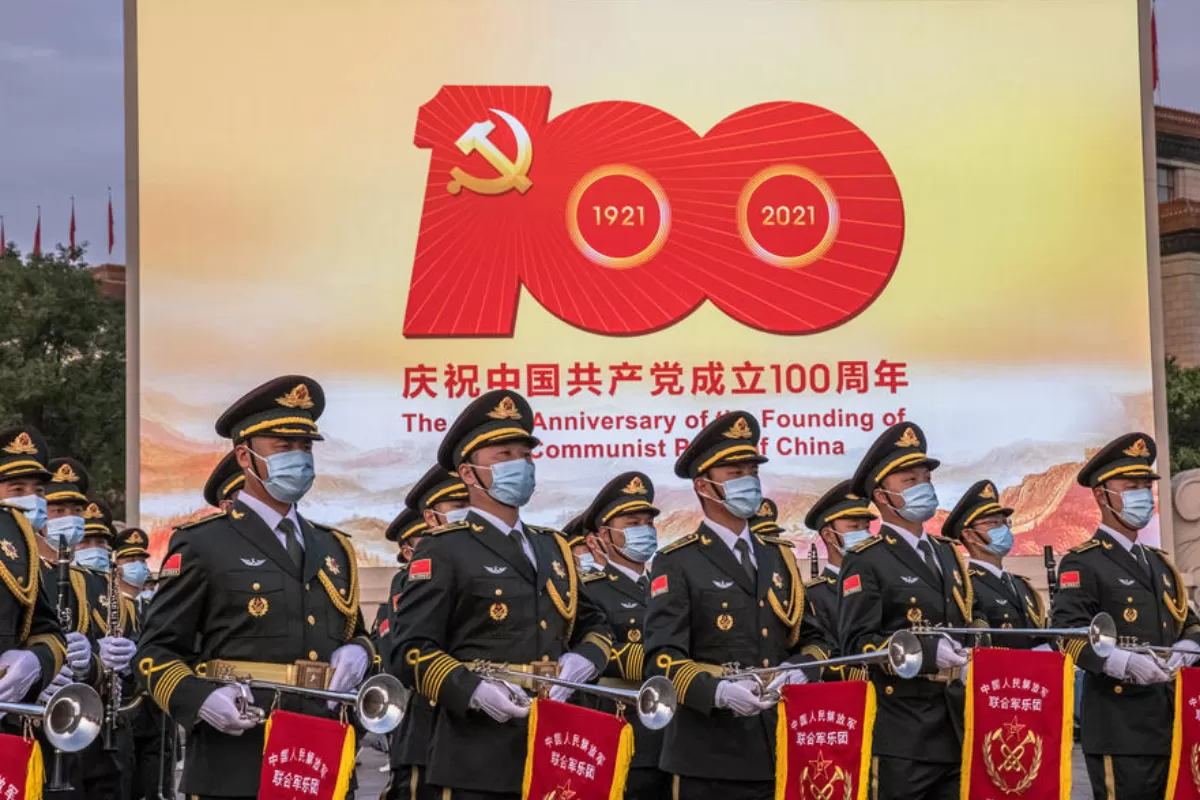
In 2021, China says it has achieved the centennial goals announced by Xi when it took power nearly ten years ago: eradicating poverty; implementing a sovereign type of domesticated internet, used for social regimentation; the space program; strengthening the role of party offices in the economy, including in European multinationals; re-ideologizing education and consolidating a kind of nationalist Maoism; eliminating democracy in Hong Kong. The paradox is that the more triumphalist it becomes at home, reporting to the people one success after another, the less powerful the image of the state-party based in Beijing gets at global level.

Maia Sandu wants to eliminate electoral competition in favor of the Action and Solidarity Party (PAS), which she led before becoming president, according to a false narrative promoted by AUR and the pro-Russian forces in Chisinau. The promoters of the narrative knowingly ignore the political and administrative realities of the Republic of Moldova, in an attempt to undermine the party that stands as favorite in the polls.

Maia Sandu does not have any important achievements in the fight against corruption during the first 6 months of her term because, in fact, she does not want to fight the phenomenon. This false narrative is promoted by the Kremlin channel, Sputnik, which in the context of the election campaign in the Republic of Moldova tries to undermine the anti-corruption discourse and manipulates information by ignoring the principle of separation of powers.
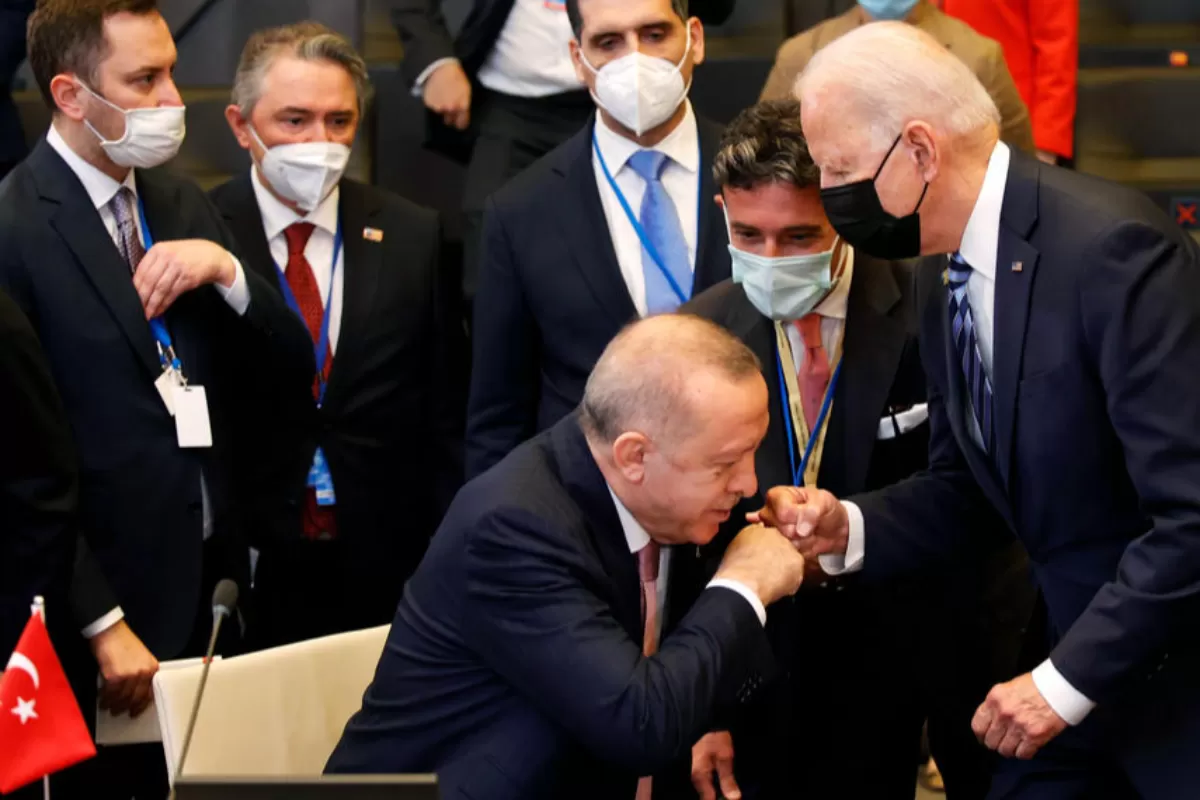
The West seems ready to return to the international arena, after years of leaving the initiative of the autocratic powers - Russia, China, even an ally like Turkey, where the anti-democratic slips of the Erdogan regime are growing - and he himself was marked by the fracture brought about by the Trump administration's policies and, in the last year, by the pandemic crisis. The diplomatic tour of US President Joe Biden is a sign of this return, both American and Western in general. A greater firmness of the West does not exclude the willingness to communicate with the autocracies - but for the time being there is no question of a relaxation of relations.

Russia allegedly had a plan to influence the 2020 presidential elections in Moldova, but abandoned it when it came to light. An analysis of the current campaign suggests, though, that at least in part, ideas devised by the Russian secret services are still being put into practice.
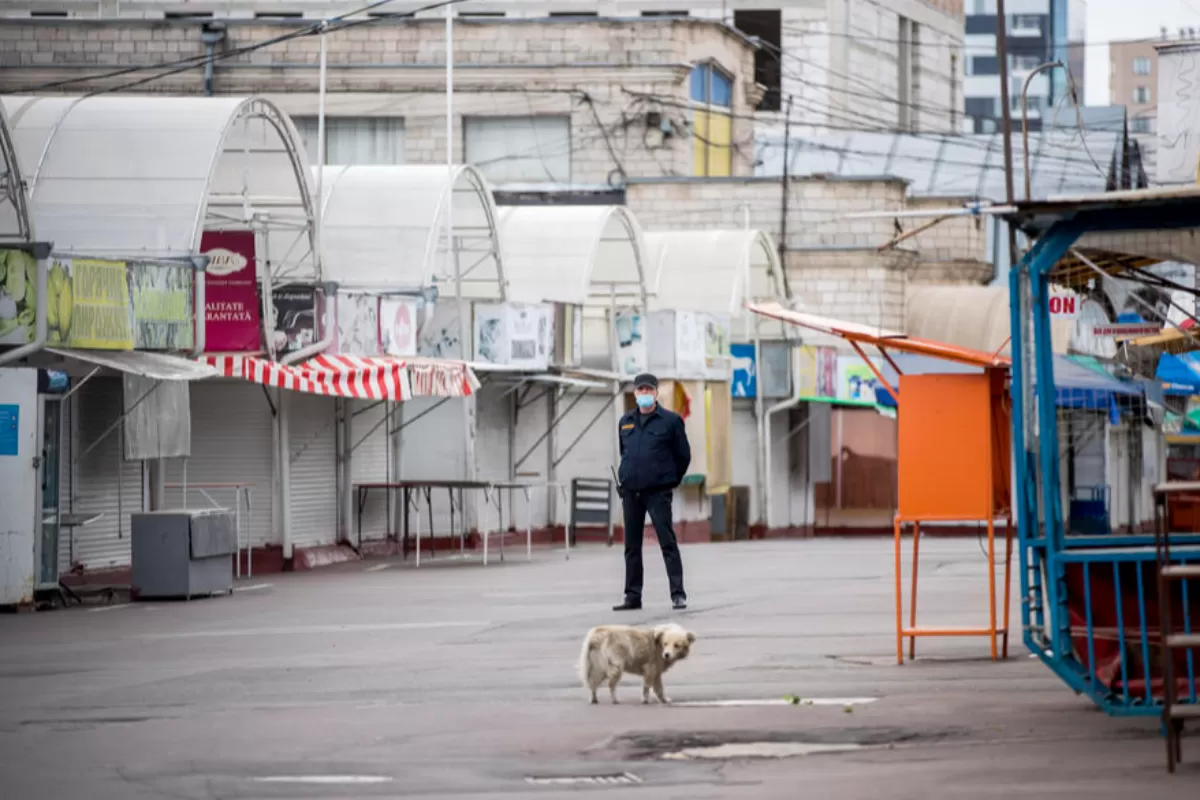
Statistics on the number of Coronavirus infections are manipulated to serve the political interests of Maia Sandu, according to the Socialist MP Bogdan Țîrdea, one of the most active promoters of false narratives in Moldova. The statistics narrative is false too, and, just like the previous ones, has been amplified by several publications.
The Republic of Moldova is at a crossroads, politicians and analysts seeking to mobilize the electorate for the July parliamentary elections are saying. This is by no means the first “crossroads” in the country's electoral history: almost every time elections have taken place in the last 30 years, someone has described them as crucial to the country's future. No matter what Moldovans chose - whether they voted for those who promised to bring salvation or those about whom they were told would bring disaster - the country always took a step back and remained one of the most corrupt and probably the poorest country in Europe.

Moldova will be swallowed up by the West and used by it against the country that has so far guaranteed its security and economic prosperity, Russia, according to the Socialist leader, Igor Dodon. A declared pro-Russian, Dodon has launched several false narratives that have been taken as such and amplified in the Russian-speaking space by the pro-Kremlin agency Lenta.ru.

A Google search returns dozens of headlines in the press in the Republic of Moldova and Romania such as “the Republic of Moldova, at a crossroads”, starting 2009 and, especially, around the elections. Dozens of other similar headlines were probably written before 2009 as well, only they remained in the newsrooms’ archives, without being posted online. The point is that little has changed in the Republic of Moldova durig the past decade and just as little in the past two decades or in the 30 years since Independence. And every election is viewed by citizens not only with the hope that things will change, but also with the fear that if the “others” come, they will turn everything 180 degrees (or 380, as a former Speaker of Parliament once said).
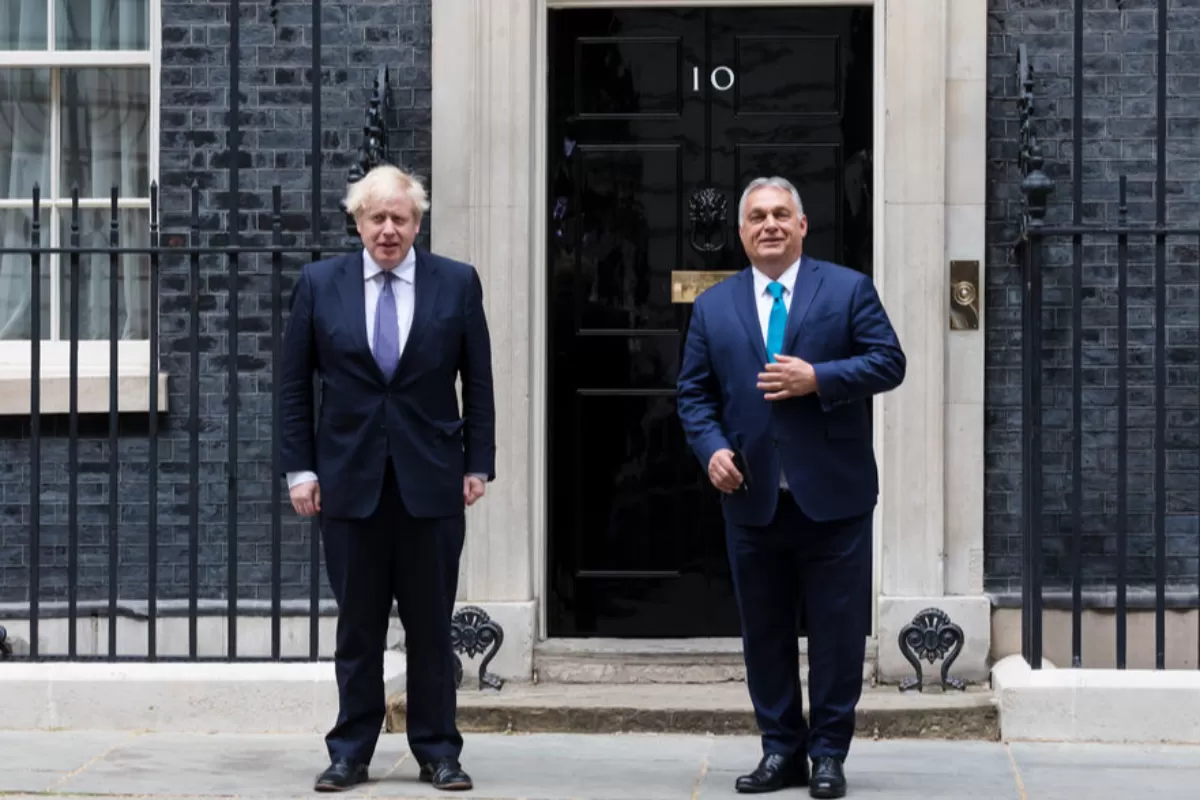
Boris Johnson and Viktor Orban share a way of doing politics: they’re both populists craving for the spotlight, ready to exploit in their favour the divisions of their respective societies. They also share an irreverence for the European Union. Johnson was one of the leading figures of the Leave camp, while Orban became a nuisance for Brussels as he kept on defying, time and again, the EU values and policies. The two seem to use the same recipe to consolidate their grip on power, so it only makes sense that their respective oppositions may eventually take similar paths.

Russia has no choice but keep its troops in Transnistria, in order to ensure the peace and security of the region, which is allegedly targeted by the Republic of Moldova, Romania and NATO. The false narrative is spread by the Kremlin's bullhorn, Sputnik, in the context in which Transnistria has become one of the themes of the Chisinau election campaign.

Romania does not recognize the existence of a “Moldovan language” and this proves that it seeks to absorb territories, the Socialists in the Republic of Moldova say. The theory on the Romanian “threat” is being reactivated in the context of the election campaign in Chisinau, after Bucharest asked Ukraine to admit that there was no Moldovan language, but a mere political invention used for expansionist purposes by the USSR.

The coronavirus pandemic has changed the world we live in, affecting our lives and habits. Changes are visible in every sphere of society, and every change has its impact on political trends and vice versa. On the one hand, the pandemic put the spotlight on science, medicine and technology. On the other hand, it also brought to the forefront conspiracy theorists and those who do not believe in the progress of medicine and science in the first place. The pandemic also lead to an increased activity of the far right which connected to the anti-vaxxer movement and conspiracy theories.


The sovereignty of the Republic of Moldova is in danger if the pro-European parties get the power. Tomorrow, they might say Moldova unites with Romania, the former president Vladimir Voronin said in an interview for the Russian agency Ria Novosti. Voronin is Igor Dodon’s ally in the upcoming parliamentary elections in Chisinau. The narratives, promoted including by the Russian media and by some Moscow officials, are aimed at undermining voters’ trust in the pro-European parties and the European path of the Republic of Moldova, distorting the anti-corruption message conveyed by the pro-European parties, while at the same time keeping Chisinau within the Russian sphere of influence.

Pentru prima oară în istoria campaniilor electorale din Republica Moldova, un competitor politic major – blocul format de comuniști și socialiști – adoptă un mesaj central de campanie ferm xenofob, care se încadrează în definiția discursului de ură (hate speech). Cele două formațiuni nu sunt însă singurele care apelează la un astfel de discurs. Străinii, persoanele în etate, femeile, comunitatea LGBTQI etc. au fost vizate în actuala campanie de discursul de ură.
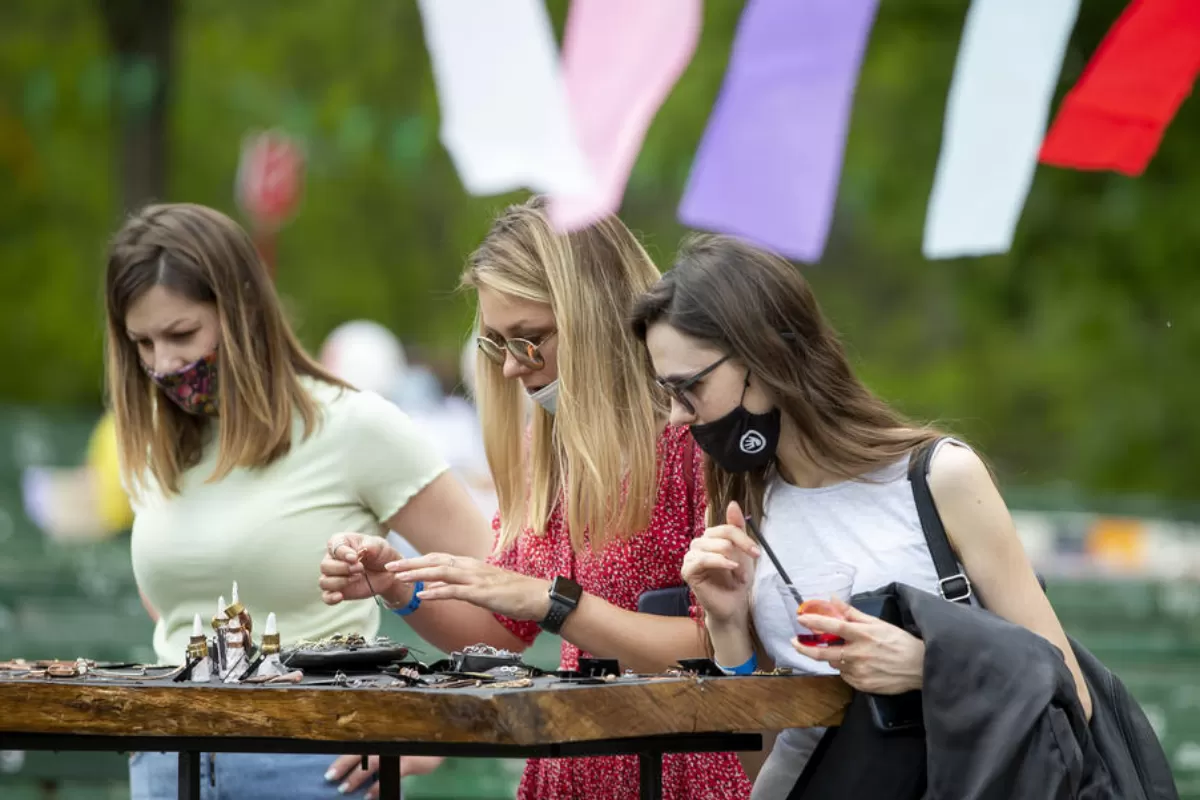
Pro-Socialist media seeks to link migration to Maia Sandu’s presidency, by citing a study on current trends. However, the phenomenon is one that has started more than two decades ago, and statistics show that its magnitude has been the same for the past 5 years, an interval that also covers the presidential term of Socialist leader Igor Dodon.

Dark clouds of authoritarianism and war are forming over the Republic of Moldova, but they can still be cleared away if patriotic forces will take the reins. This is the image painted by the narratives that crayoned a new week in the campaign for the early parliamentary election in the Republic of Moldova. The narratives are stemming from disinformation and fake news postulated by both Chișinău and Russia, the latter trying to endorse its clients in the Electoral Bloc of Communists and Socialists.

The electoral battle in the Republic of Moldova between the pro-European and the pro-Russian parties is also reflected in the way polling stations are organized. The PSRM-PCRM bloc is counting on the votes of Transnistrian population, while PAS hopes to win the votes of those who went to work in Europe, the diaspora. The electoral authority has also been involved in this fight, trying to reduce diaspora’s ability to vote.

Under the pretext of supporting the fight against corruption, the West wants to impose in the Republic of Moldova a political class ready to turn the country against Russia.

Politicians in Chisinau are trying to get some extra political capital at home by flaunting their connections to politicians in Romania. However, a few protocol statements and "family" photos do not guarantee Bucharest’s influence in Moldova.

Early parliamentary elections will be held in Moldova on July 11. The list of candidates is long, with no less than 53 parties and electoral blocs officially registered to take part in the race for 101 parliament seats. Of these, no more than six have a real chance of crossing the electoral thresholds of 5% for parties or 7% for electoral blocs consisting of two or more parties. Veridica carried out a brief x-ray of the electoral programs proposed by the main competitors.
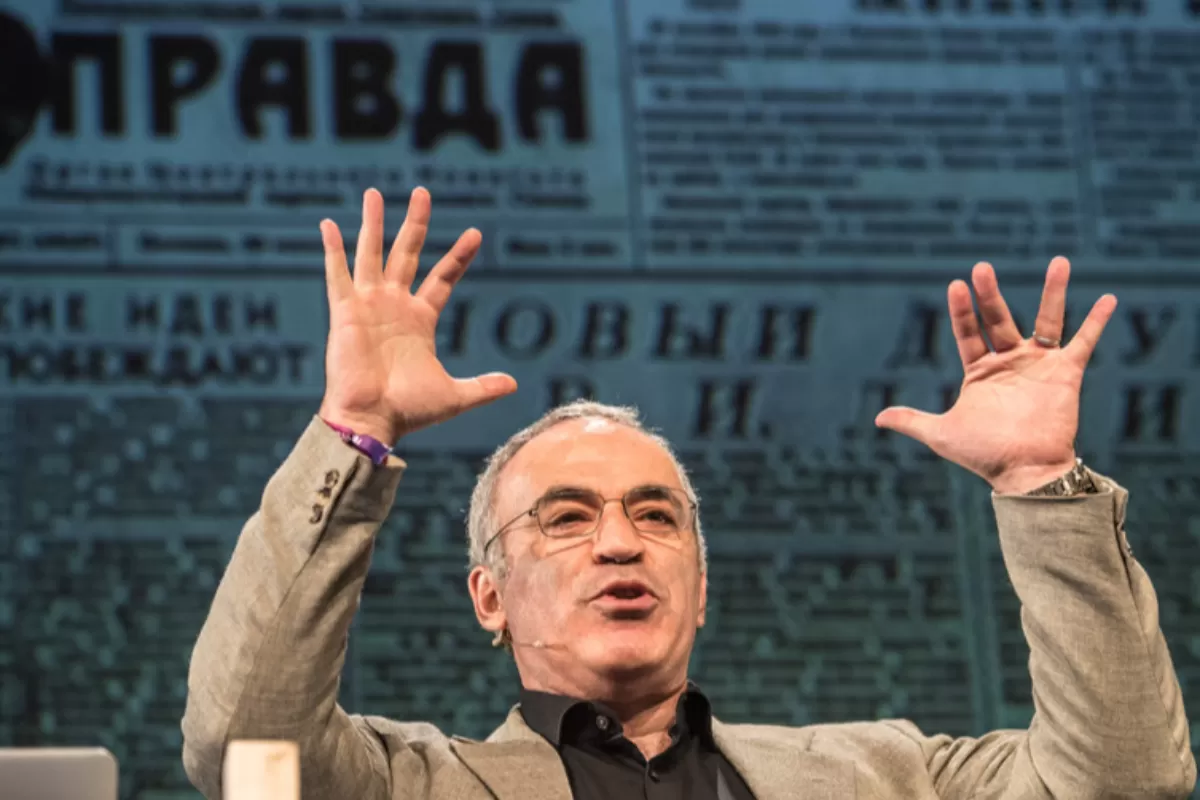
The chess great spoke with Veridica about his fight for democracy and human rights, the new type of totalitarianism in Russia and what the West should do to stop Putin. Garry Kasparov told us that he is not worried that the regime is trying to eliminate him from textbooks because, in the long run, it is not the dictators who write history. He also said that there is no point in fearing that he will be assassinated because “If someone like Putin decides that you are next on the list, it doesn’t matter if you have protection or not. You go.”
A new election campaign is underway in Moldova, the third in 2 years. In essence, as in most of the elections that have taken place since Moldova gained independence, what we see today is a confrontation between the so-called "Eastern and Western vectors". Russia openly supports the Eastern vector; The West promises funding for the reforms promised by the Western vector. The election campaign, like most campaigns in recent years, is marked by an abundance of fake news and disinformation, usually launched by the left wing and the media affiliated with the Socialists or the Kremlin. The authors of the false narratives, however, seem to be running out of new ideas: most of them have already been used in the election campaigns that have taken place since 2016.

A new election campaign is underway in Moldova, the third in 2 years. In essence, as in most of the elections that have taken place since Moldova gained independence, what we see today is a confrontation between the so-called "Eastern and Western vectors". Russia openly supports the Eastern vector; The West promises funding for the reforms promised by the Western vector. The election campaign, like most campaigns in recent years, is marked by an abundance of fake news and disinformation, usually launched by the left wing and the media affiliated with the Socialists or the Kremlin. The authors of the false narratives, however, seem to be running out of new ideas: most of them have already been used in the election campaigns that have taken place since 2016.

Seven months after a complicated presidential election, the Republic of Moldova is again in the grip of election fever. This time around, the country will be hosting snap parliamentary elections, but the background, protagonists and stakes are mostly the same. The main battle will be pitting the center-right pro-Western Action and Solidarity Party (PAS), previously led by president Maia Sandu, against the center-left pro-Russian Party of Socialists (PSRM) led by the former president Igor Dodon.

Seven months after a complicated presidential election, the Republic of Moldova is again in the grip of election fever. This time around, the country will be hosting snap parliamentary elections, but the background, protagonists and stakes are mostly the same. The main battle will be pitting the center-right pro-Western Action and Solidarity Party (PAS), previously led by president Maia Sandu, against the center-left pro-Russian Party of Socialists (PSRM) led by the former president Igor Dodon.

Maia Sandu grants Syrians the citizenship of the Republic of Moldova, while Moldovans are leaving the country, writes Komsomolskaya Pravda, which publishes a presidential decree granting citizenship to nine people. Thus, a narrative is resumed from the 2016 presidential elections when fake news was spread that 30 thousand Syrian refugees would be brought to the Republic of Moldova.
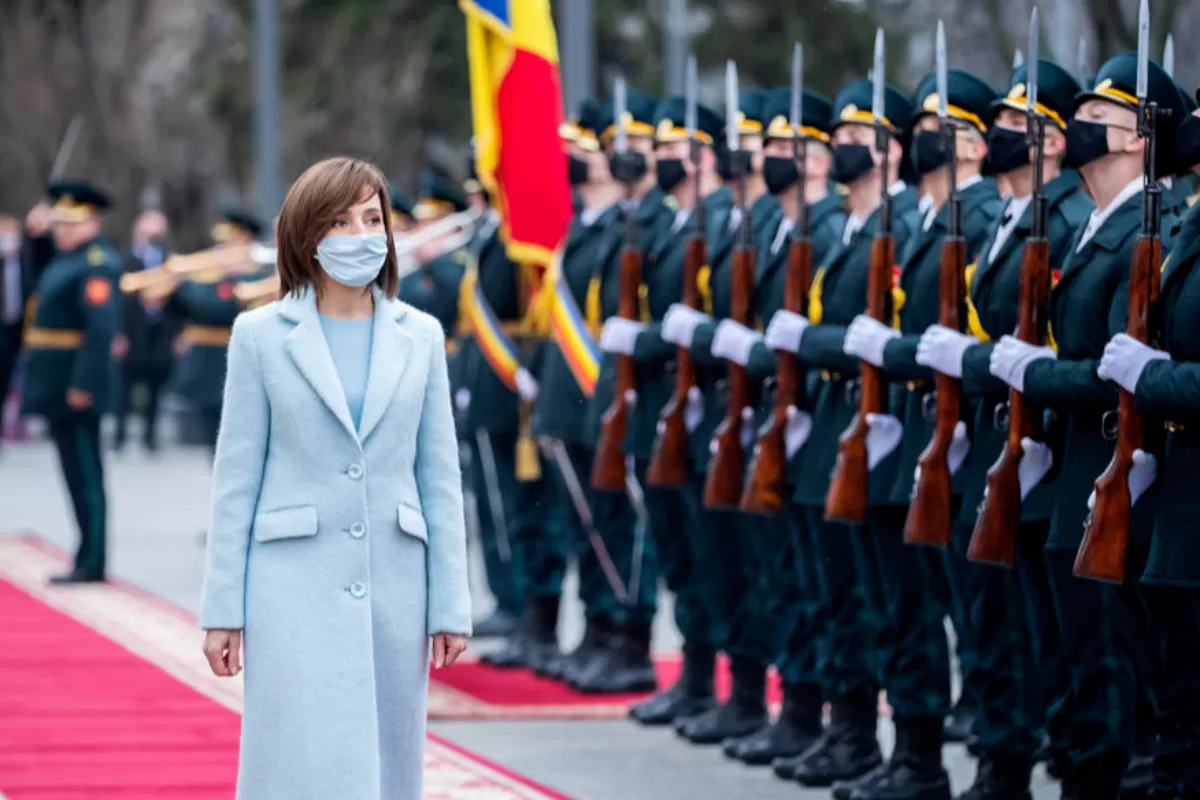
Maia Sandu has created an “anticorruption” structure in order to eliminate from public life and the administrative apparatus the politicians and officials that are inconvenient, according to a false narrative spread by Sputnik. The said structure - the Independent Anticorruption Advisory Committee – is allegedly controlled by the West.

Alternative social networks have also emerged in the problem countries of the EU, Poland and Hungary, where the right and the far right are looking for platforms that do not restrict posting radical content. These networks have emerged as both the Kaczyński regime and the Viktor Orban regime already exercise significant control over the media in their countries.

Sanctions and blacklisting by the US, a wave of resignations, revisions over the spending of the GERB cabinet in the last decade and mismanagement of financial aids: all of these are making headlines in the Bulgarian media as the country prepares for early elections on July 11 - a result of the inconclusive ones from the spring and the inability of any party to form a coalition.


