
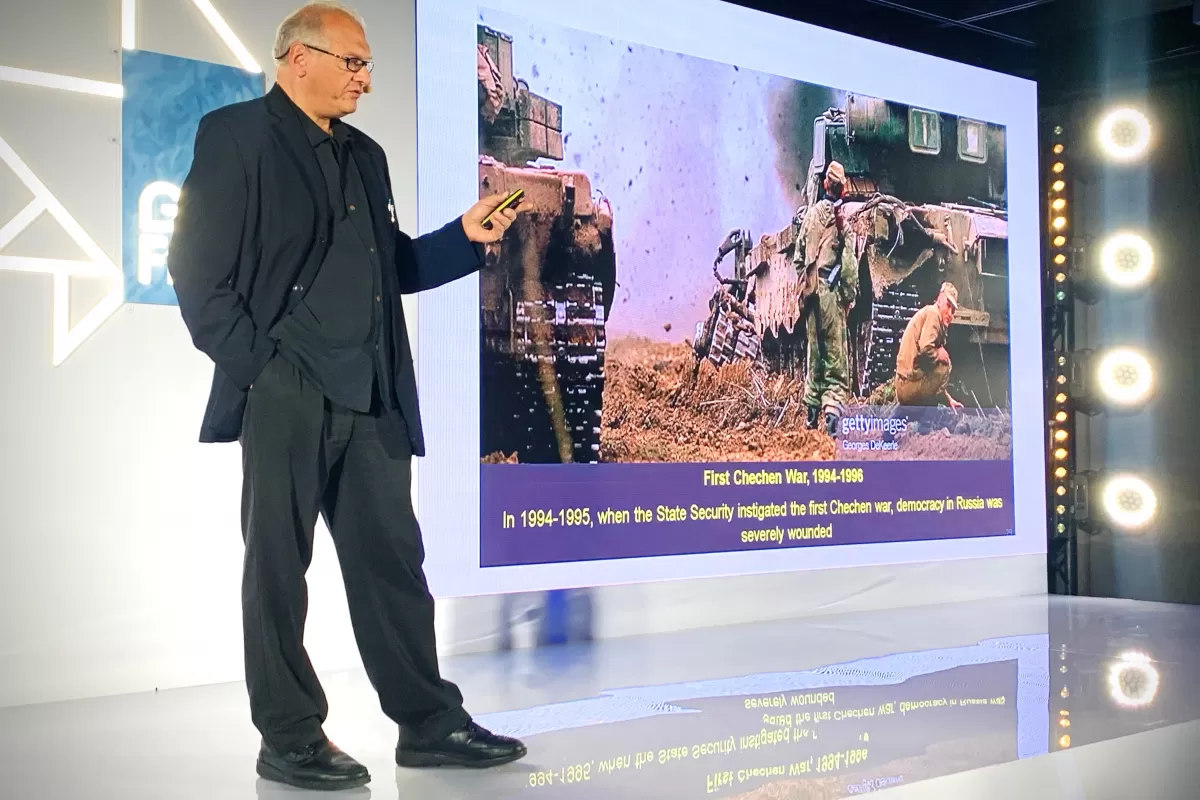
Vladimir Putin’s original plan was to subdue Ukraine without bloodshed and create a joint Russian-Ukrainian-Belarusian army that he could use to conquer Baltic States and the Republic of Moldova, the Russian-American expert Yuri Felshtinsky argues, adding that Moscow’s recent actions suggest, despite all the threats, that no nuclear weapons will be used against Ukraine.
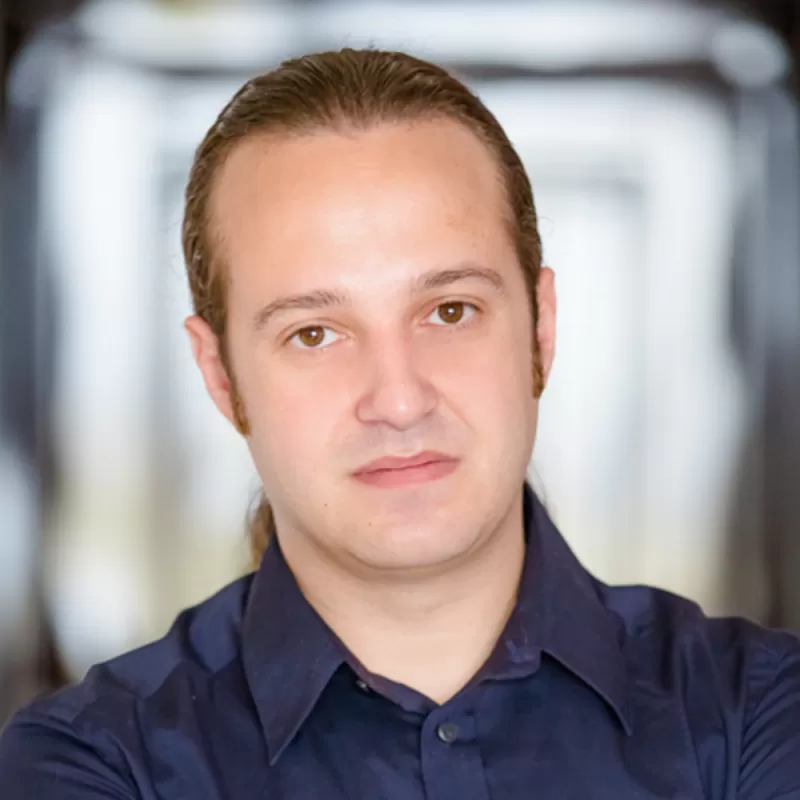

Vladimir Soloviov is a Russian journalist based in the Republic of Moldova. He writes for Kommersant. Veridica spoke with Mr. Soloviov in Chisinau about the political developments in the Republic of Moldova, Russia’s imperial claims and the war in Ukraine, but also about the almost non-existent relationship between Russia and Romania.
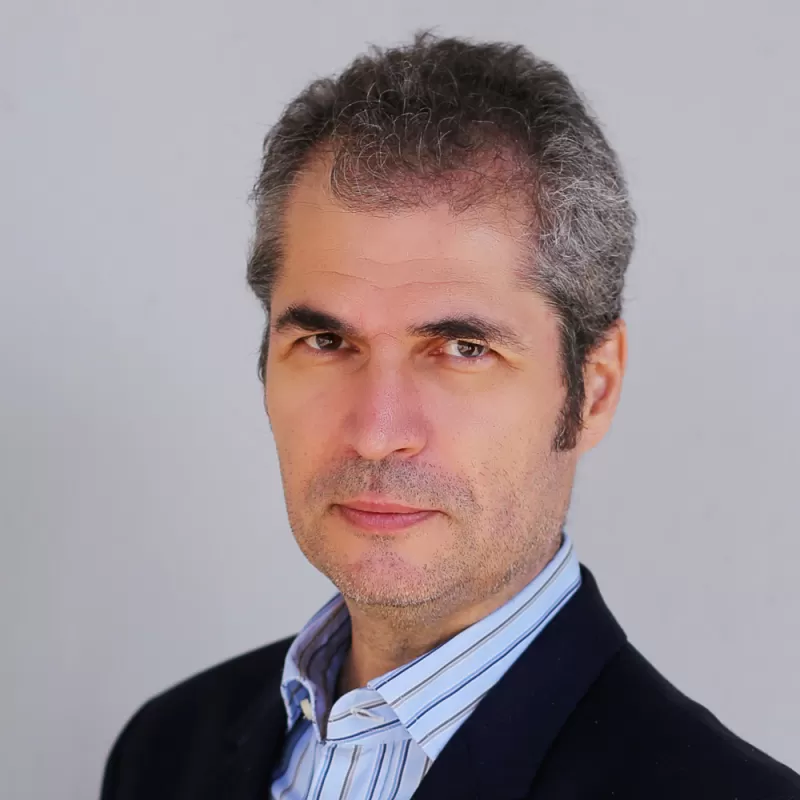

For Europe to evade the Russian threat, Russia needs to slip into a period of instability once Putin is gone, says Vladimir Socor. In an interview to Veridica, Vladimir Socor says the early signs of post-Soviet expansionism became transparent in the 1990s, also referring to Ukraine’s chances in the current war.


The Transnistrian is not an obstacle to the EU integration of Chișinău, says the ambassador the Republic of Moldova in Romania, Victor Chirilă. In an interview to Veridica, the Moldovan diplomat said that, should Ukraine win the war against Russia, Tiraspol leaders will become “more flexible”. Victor Chirilă analyzed the security risks for Chișinău, as well as the main projects carried out by the Republic of Moldova jointly with Romania.


Historian Mark Galeotti, who specializes in Russian history and politics and one of the Western experts who followed Vladimir Putin before he became president, believes that the Kremlin leader is primarily responsible for the strategic mistakes made by the Russian army in Ukraine. Professor Galeotti also spoke about the nature of power in Russia and the links between the state, oligarchs, secret services and organized crime.

Andrey Kurkov is one of the most important contemporary Ukrainian writers. He writes in Russian, but has been described as an "enemy of Russian culture." In an interview with Veridica, Andrey Kurkov spoke about Russia's return to the monarchy under "Tsar" Vladimir Putin, the decoupling - at least temporarily - from Russian culture, but also about Moscow's war against his country.
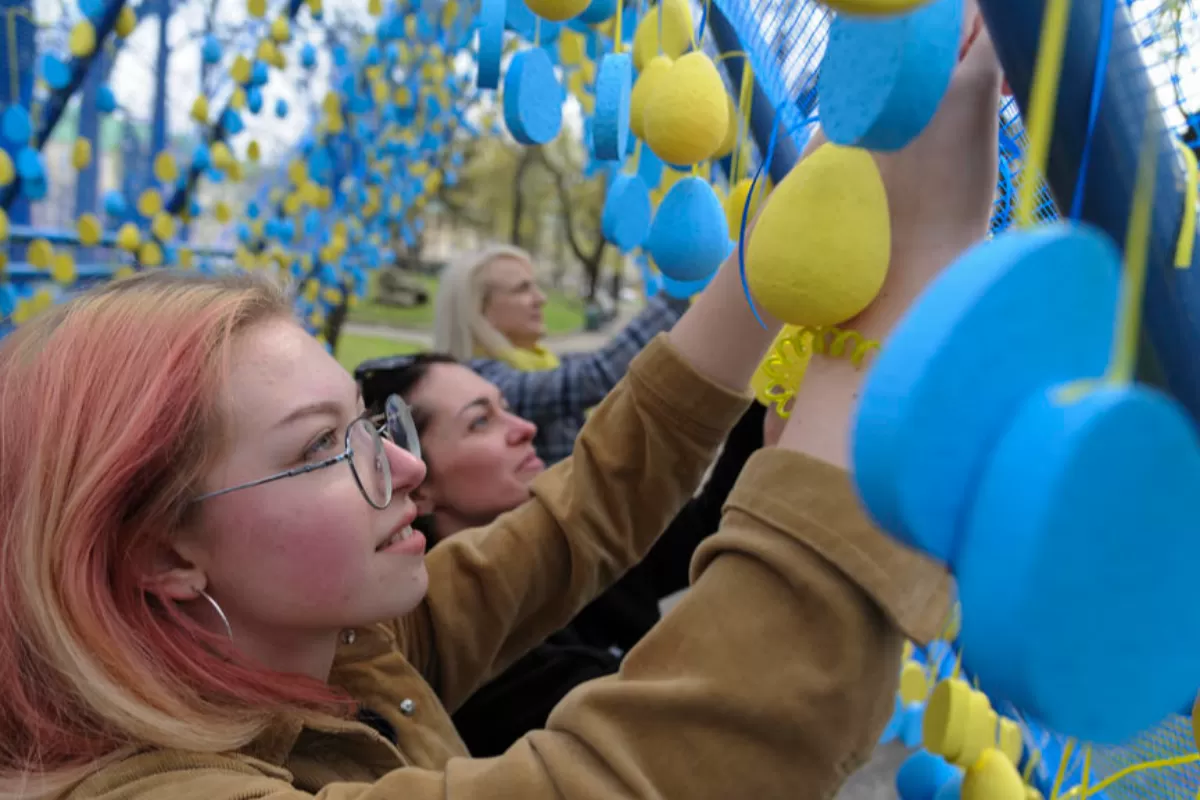
There is now a great deal of coagulation in Ukraine over the national idea, and Ukrainians quickly understood, from the earliest days of the Russian invasion, that they have to either fight or be killed, says Nadija Afanasieva, director of the Ukrainian Institute for International Politics in Kyiv. In an interview with Veridica, the international relations expert explained what Vladimir Putin actually meant when he said that Russia had “noble intentions”, but also what the role of the Transnistrian region in the economy of this war is.
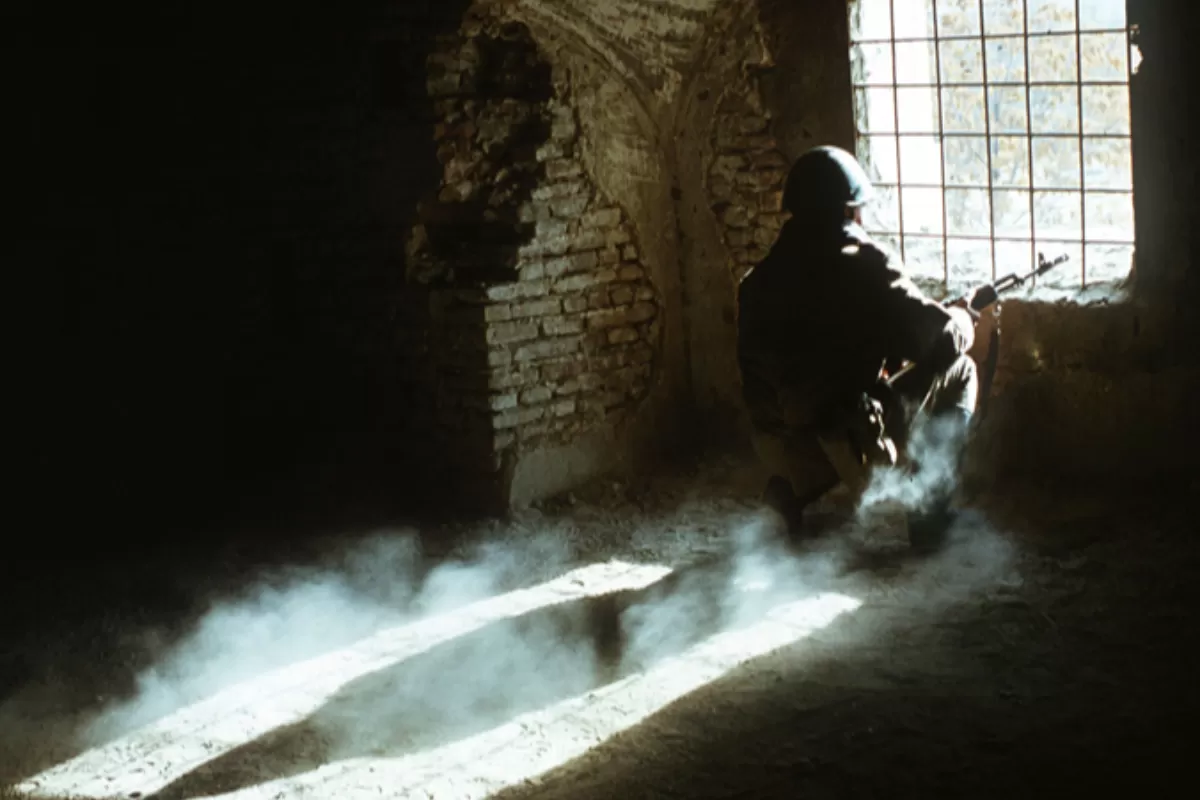
Through its tactics in Ukraine, the Russian military is reminiscent of the Soviet army in Afghanistan rather than a modernized force. Veridica spoke with Chisinau military historian and researcher Ion Xenofontov to see the similarities and differences between the two wars fought by the former USSR and its legal successor, Russia.

The former Minister of Defense, Viorel Cibotaru, currently a political and military analyst in Chisinau fought in the 1992 war on the Dniester between the Moldovan army and the Transnistrian paramilitary forces, helped by the Russian 14th Guards Army. Viorel Cibotaru explained for Veridica the starting point of the conflict, the role of the special services and of the Russian veterans, and the plan for the conservation of the defunct USSR in the former union republics.

Ukrainians expect anything from Russia and know that if it attacks them again, they will have to defend themselves, not wait for help from elsewhere, according to the a.i. charge d’affaires of Ukraine in Bucharest, Păun Rohovei. In an interview granted to Veridica and Breaking Fake News, the diplomat warned that a new invasion would be extremely costly for Moscow.

The crisis in Ukraine is also marked by an increased output of false narratives meant to discredit NATO and undermine confidence in it. Romania has also been the target of such narratives – claiming that it’s preparing for war, mobilizing its reservists, has a weak army, equipped with outdated equipment, etc. Veridica talked to the head of the Information and Public Relations Department of the Ministry of National Defense, Brigadier General Constantin Spînu, about the efforts made by the army to fight back the disinformation that targets it.

Russia is trying to regain influence in its former Eastern European empire through fake news and influence peddling, according to Financial Times journalist, John Lloyd. The former Moscow correspondent talked to Veridica about the way Moscow is using propaganda in pursuit of its foreign policy objectives.
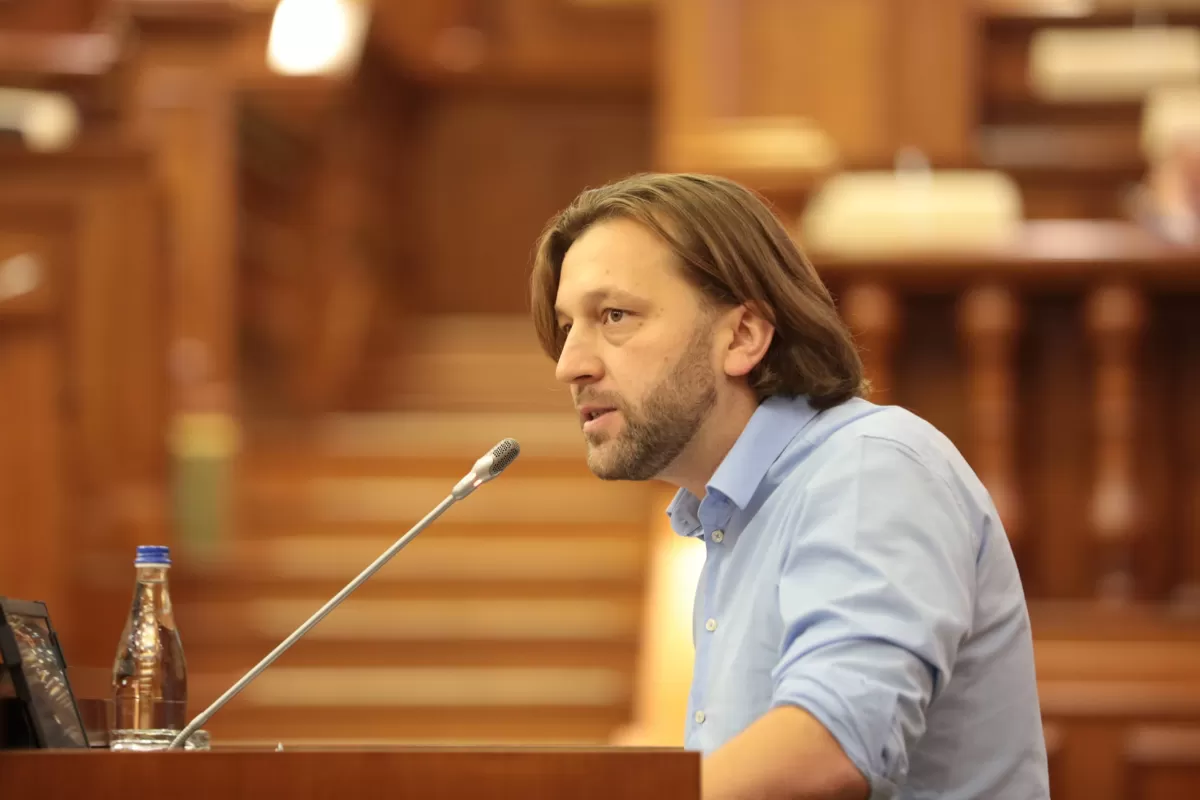
Dumitru Alaiba is one of the most vocal and visible deputies of the Action and Solidarity Party (PAS), which became the ruling party in Chisinau. On the eve of the 30th anniversary of the proclamation of Moldova's independence, Veridica spoke with Dumitru Alaiba about Russia's declining influence in Chisinau, the interests that link some Moldovan politicians to Transnistria, but also about corruption and the politics of the past 30 years.
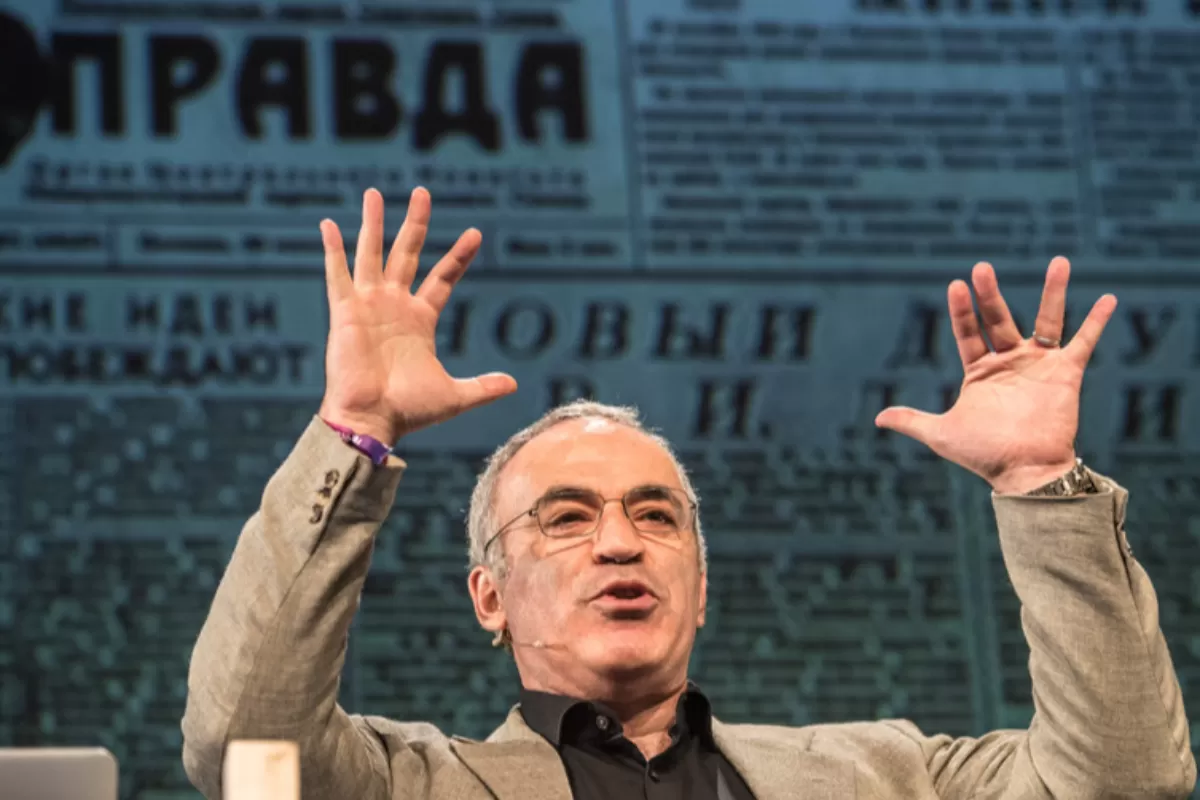
The chess great spoke with Veridica about his fight for democracy and human rights, the new type of totalitarianism in Russia and what the West should do to stop Putin. Garry Kasparov told us that he is not worried that the regime is trying to eliminate him from textbooks because, in the long run, it is not the dictators who write history. He also said that there is no point in fearing that he will be assassinated because “If someone like Putin decides that you are next on the list, it doesn’t matter if you have protection or not. You go.”

Chris Farrands was my director of studies in the PhD programme at Nottingham Trent University, between 2006 and 2011. Our relationship meant many meetings in Nottingham, Izmir, Edinburgh or Bucharest. Chris is not only ”a great teacher”, but also a great friend. That is, until our conversations go into international politics, especially British and European Union politics. He knows so many details, deriving from such a vast personal experience (see the short bio at the end) that he overwhelms the audience. The interview with Chris, published by Veridica in two episodes, demonstrates all these aspects and it is, in my opinion, the richest and densest media text on Brexit published în Romania and, perhaps, beyond. The first part dealt with the economic consequences of Brexit for Britain and the second part explores the more delicate topic concerning Scotland, Northern Ireland and Wales in the context. (Dragoş C. Mateescu)

Even though Britain has officially left the European Union, Brexit is a process that has not yet ended, according to British expert Chris Farrands. He explained to Veridica the impact and challenges of this ongoing process.


