
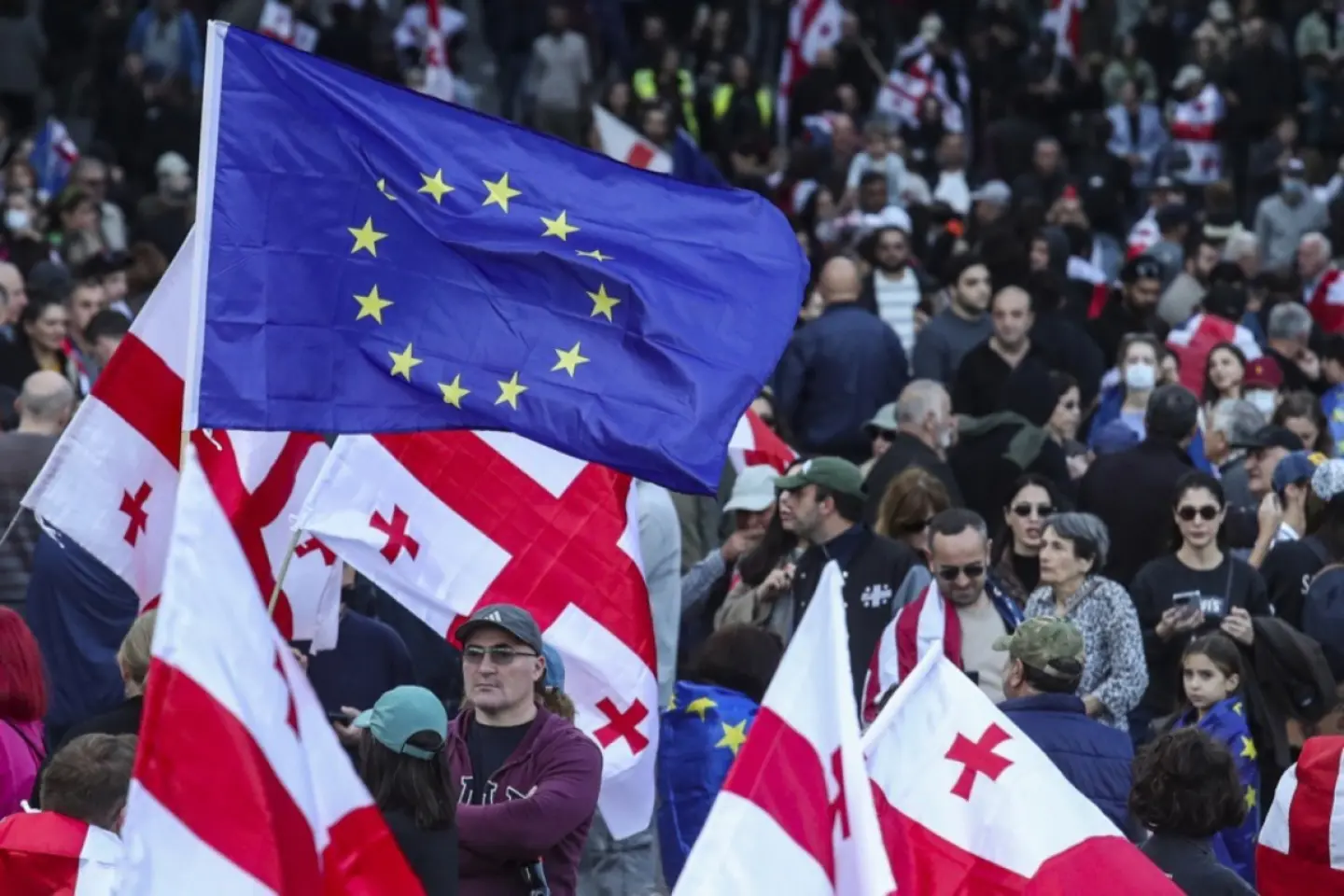
The Georgian government, whose eminence gris is controversial oligarch Bidzina Ivanishvili, is suspected of using espionage charges against its opponents. In power since 2012, the Georgian Dream has been criticized for Georgia’s democratic backsliding. Its policies caused a rift in Georgia’s relations with its Western partners, the European Union and the United States.


In 2025, Poland has found itself on the front line of a shadow war, waged with drones, explosives hidden along railway lines or in courier parcels turned into bombs, compromised officials, and and people recruited by the Russian secret services.

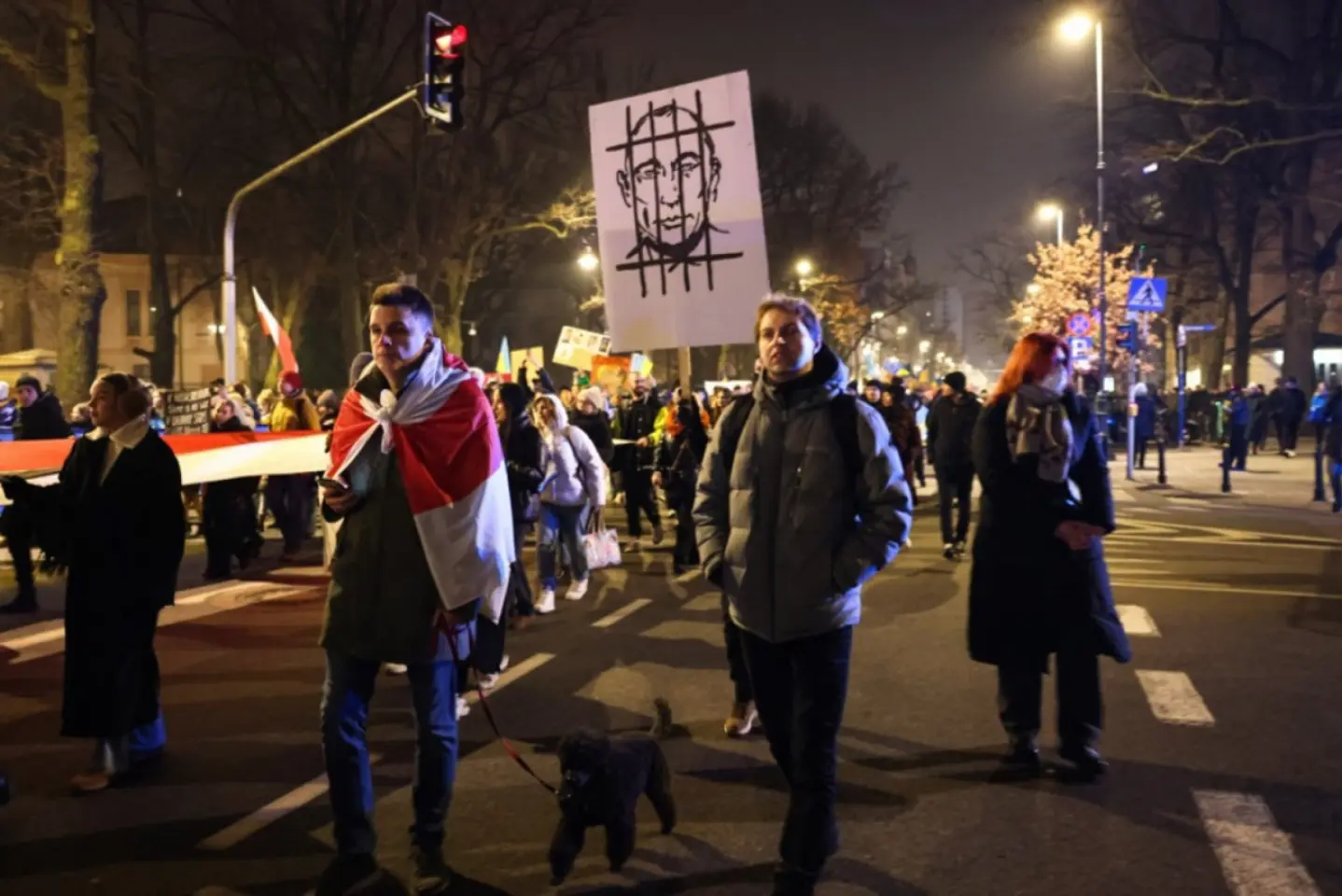
A month after Russian drones were brought down over Poland, Warsaw feels normal again. Politicians resumed their quarrels, and the news cycle has moved on. Yet something in the public mood has shifted – a low, persistent awareness that Poland is being watched, probed, and measured.

From cyberattacks to railway disruptions, Poland faced during the past several months a wave of incidents, many of them having the hallmarks of Russian intelligence.

Are the antennas on top of the Russian Embassy building used to spy on Moldovan authorities? The Security and Intelligence Service cancelled the agreements with the FSB and SVR, while the Russian Embassy will stop providing consular services


Russia carries out a classic type of diplomatic activity, within the law, while other diplomats accredited to Bucharest interfere in Romania's internal affairs, says Russian Ambassador Valeri Kuzmin, who repeats the fake narratives used by the Kremlin in its attempt to pose as a victim.

The latest espionage scandal in Italy, whereby an Italian officer with access to confidential NATO information was caught red-handed while selling secret documents to a Russian military attaché, once again highlights hostile Russian actions against NATO. The resurgence of such activities occurred especially after the Euromaidan and the annexation of Crimea by the Russian Federation in 2014.
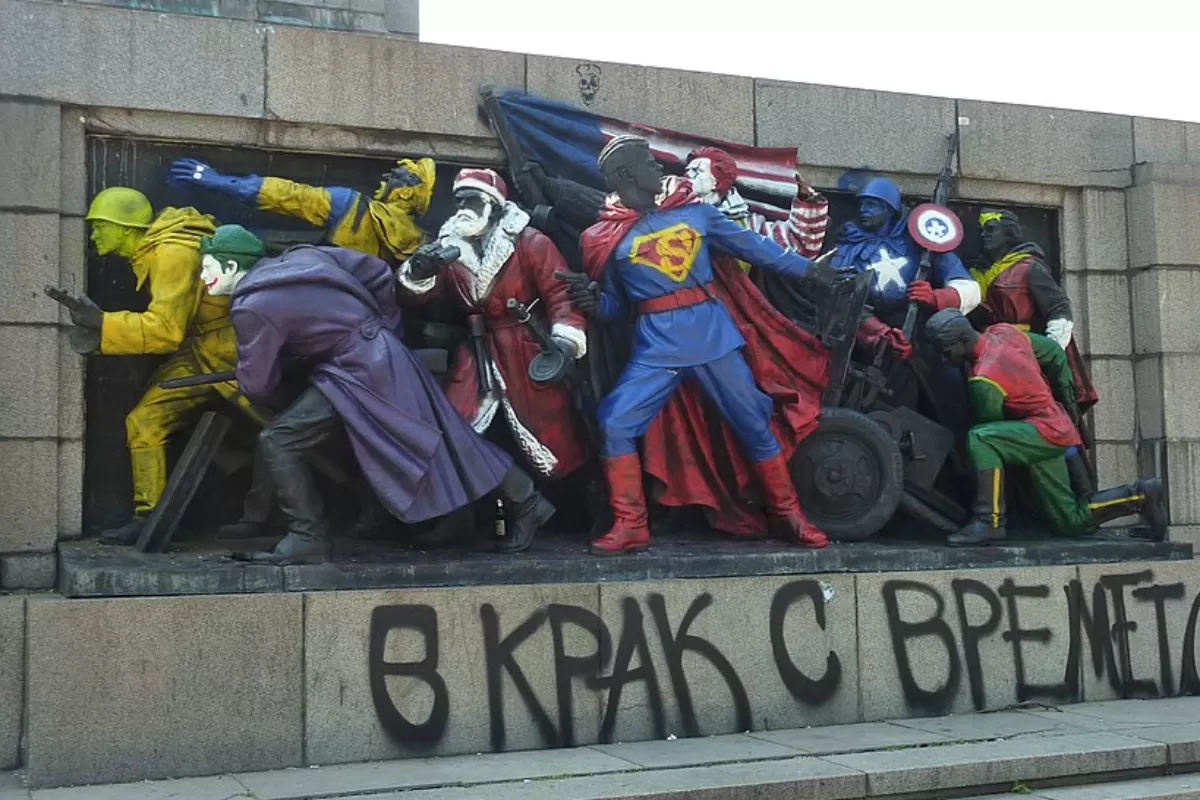
Once Moscow’s most reliable satellite in Eastern Europe, Bulgaria expelled six Russian diplomats for spying since October 2019. Is Sofia trying to step out of Moscow’s shadow, or merely creating a smoke screen for affairs on a different level?


