
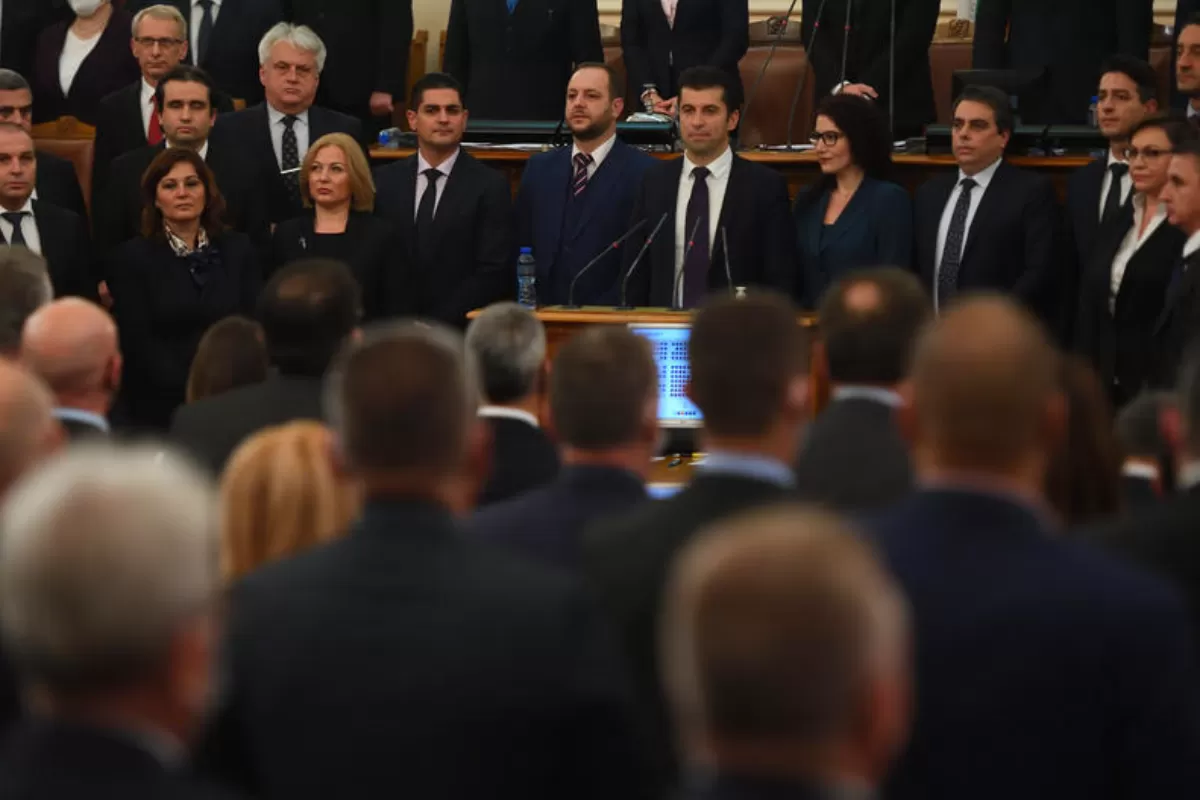
With a new coalition, promising hefty reforms and ending an almost year-long stalemate, Bulgaria seems to be heading towards a change. It is the promise of a new beginning, after a decade marked by GERB domination and suspicions of corruption. For the younger generation, it may as well be a new 1989 moment.


Bulgaria goes deeper into unpredictable territory following the November 14 joint elections. The general elections saw a new reformist party debuting on top against all odds, while in the Presidential run, Rumen Radev is set to be re-elected after mustering nearly 50 per cent of the vote in the first round.

The Pandora Papers did not cause a major surprise in Bulgaria, a country accustomed to corruption scandals. It remains to be seen what will their impact be. For now, one of those exposed in the leaks, controversial oligarch Delyan Peevski, instead of hiding returned from Dubai to Bulgaria and announced his come back to the political scene.

Two months before the Presidential elections, Radev is the only candidate, and with an approval rating soaring above 65%, he stands a good chance of being re-elected. Supported by parties opposing the local politics status-quo, Radev is trying to build a stronger persona and a long-term presence on the political scene

The desire to overthrow GERB and Boyko Borissov wasn’t enough: There is Such a Nation, the new party that won Bulgaria’s latest elections, made another U-turn on Tuesday by revoking its ministerial nominations amid rising controversies.

This Sunday Bulgaria is going through a new round of parliamentary elections, following the inconclusive ones from April which saw ruling party GERB lose votes and a Parliament dominated by opposition. The elections were called after no common ground was found between any of the parties in search of a coalition. The coming Parliament looks set to be as fragmented as the one that brought early elections. What will happen next is, thus, anyone’s guess. One thing seems sure though: long-serving former prime-minister Boyko Borissov will not return to power.

Sanctions and blacklisting by the US, a wave of resignations, revisions over the spending of the GERB cabinet in the last decade and mismanagement of financial aids: all of these are making headlines in the Bulgarian media as the country prepares for early elections on July 11 - a result of the inconclusive ones from the spring and the inability of any party to form a coalition.

Bulgaria braces for new parliamentary elections on July 11 which fuels the unpredictability in the country’s political life and raises several questions - will GERB return stronger or weaker, will popular singer and talk show host Slavi Trifonov continue his political rise after being a runner-up in the April elections, will the far-right see a resurgence after surprisingly low results? While politicians are trying to find some common ground, Bulgaria’s slow vaccination rollout, the still present COVID-19 pandemic, EU’s Green Deal and the previous government’s spending all remain unaddressed.

PM Boyko Borisov’s long-ruling and controversial party is winning the vote but at the same time is lacking a majority and there’s no obvious partner to form a coalition.

The highly publicised discovery of a Russian spy network in Sofia signalled a meddling in Bulgaria’s politics but also left a bitter taste - was it all government PR right before the general elections?

The government has failed to handle the COVID-19 pandemic on several levels and it seems like no lessons have been learned during the last year. All of this, right before the country votes for a new parliament.
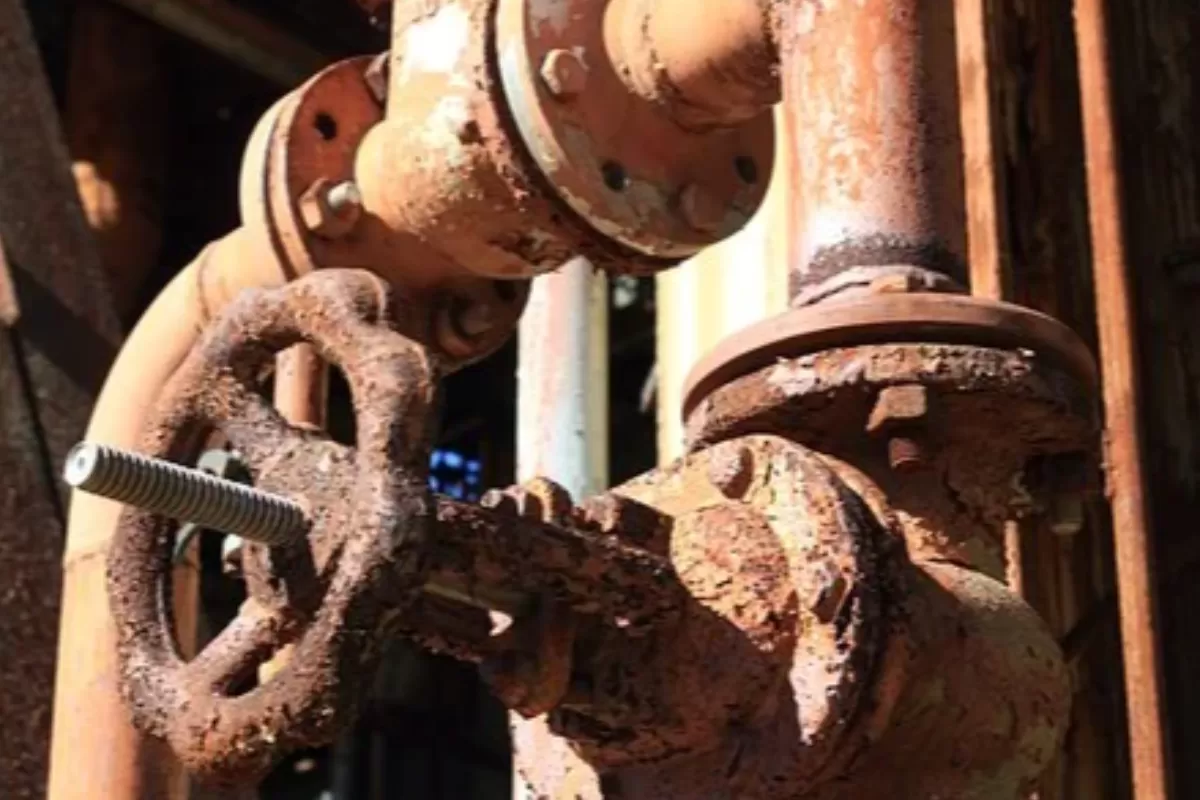
Bulgaria’s ecological problems are piling up just as EU funds aimed at addressing them continue to flow in. It’s a deepening crisis that could be interpreted as a “litmus test” on how the current political elite is (not) taking the seriousness of the country’s situation.

After several strong fake news waves in recent years, antivax sentiments are gaining momentum and cause fears even in the non-conspirative thinkers.
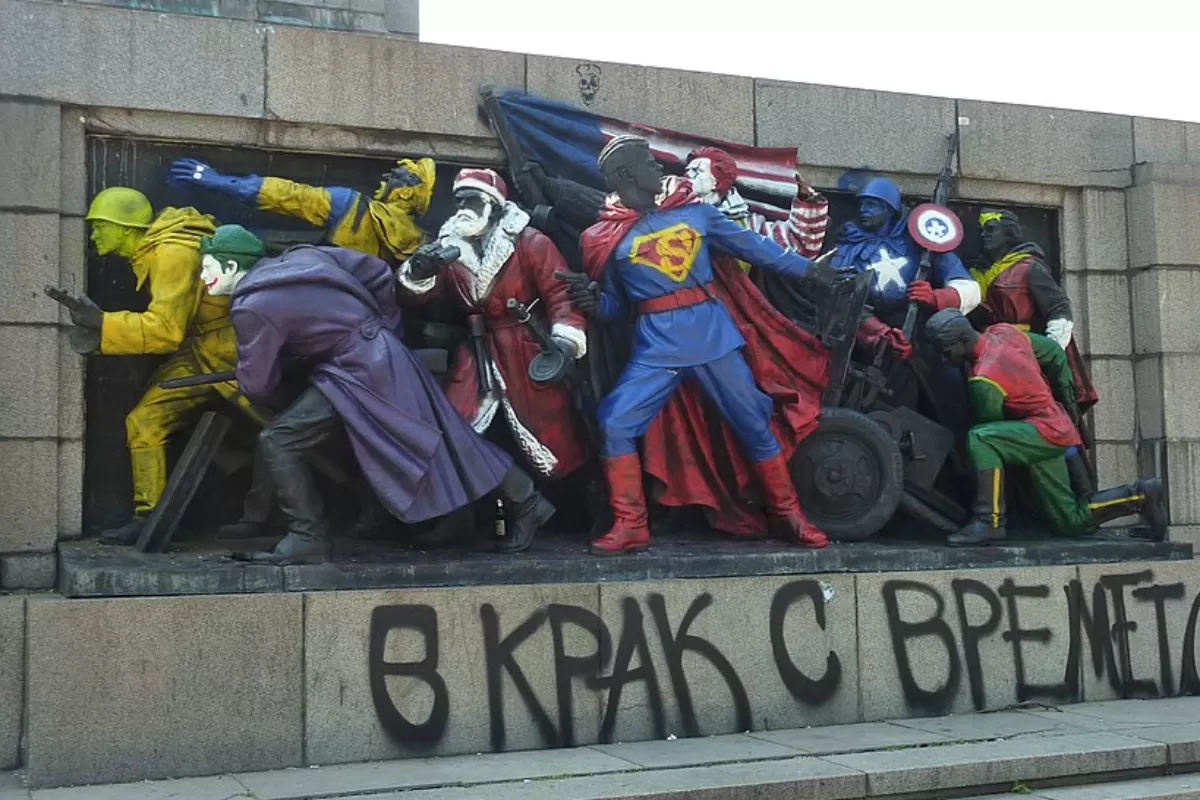
Once Moscow’s most reliable satellite in Eastern Europe, Bulgaria expelled six Russian diplomats for spying since October 2019. Is Sofia trying to step out of Moscow’s shadow, or merely creating a smoke screen for affairs on a different level?


